Music School

Music School
Focusing on Scales and Chords for Piano and Strings

Search This Blog

Wednesday, May 6, 2026

Video Archive from the Brighton Arts Club (BAC) by Goddamn Media and Music Lessons by Sarnia de la Maré FRSA


K A R M A PROMO GODDAMN MEDIA DR SARNIA DE LA MARÉ 2008

TIM WELLS AT THE GROSVENOR BRIGHTON SARNIA DE LA MARÉ 2009
Oli Spleen Entertains the Countess Pasha du Valentine of Brighton and Hackney 2010
Olly Spleen performs at the Grosvenor part 2 2010
Dylan and Liam Busking in brighton 2010
Handy Mandy Puts up a shelf 2010 Goddamn Media Films
Wild Fruit Pride Brighton presented by Pasha du Valentine (Goddamn Media Archives) 2010
Just a Girl dr by Sarnia de la Maré FRSA 2010 NSFW
The Countess of Brighton and Hackney finds love on the streets 2010
Still Breathing 1 dr by Sarnia delamaré FRSA 2010
Mad Hatters Fashion Show Brighton 2010 Countess of Brighton and Hackney
Erotic Art Exhibition Postcards by Goddamn Media 2010 NSFW
Erotic art show greetings cards by goddamn media 2010 nsfw
Handy Mandy 2 Comedy Series by Pasha du Valentine 2010 Goddamn Media
Handy Mandy 3 Repairing a carpet cigarette burn Goddamn media NSFW 2010
Still Breathing 2 dr. sarnia de la Maré FRSA for Goddamn Media 2010
Still breathing 3 dr by Sarnia de la Maré 2010
Still Breathing 4 'bad girls go to London' dr by Sarnia de la Maré 2012
The £1 tango dr by Sarnia de la Maré 2011 Goddamn Media Films
Goddam Media Postcard Archives 2008-2010
CIGARETTE by Goddamn Media Starring Ms Poppycock and Crysi de Milo 2011
THE PARTY IS ALWAYS RIGHT by THE COUNTESS OF BRIGHTON AND HACKNEY 2011
ACID SEX, STARRING CRYSI DE MILO FOR GODDAMN MEDIA 2011
'THE COAT' DR BY PASHA DU VALENTINE FOR GODDAMN MEDIA 2011
ADGIT PROP BY GODDAMN MEDIA. STARRING CRYSI DE MILO AND COUNTESS OF BRIGHTON AND HACKNEY 2011
35 MILES, 3 DAYS, HUMANS, HORSES, DOGS AND THE SOUTH DOWNS BY GODDAMN MEDIA 2011
FRESHLY DRIED, COMEDY HORROR MOVIE STARRING MS POPPYCOCK, DR. BY GODDAMN MEDIA 2011
STILL BREATHING 6, THE VANITY OF WANTING TO BE REMEMBERED, BY GODDAMN MEDIA 2011
STILL BREATHING 5 LET'S TWIST AGAIN BY GODDAMN MEDIA 2011
THIS WOMAN SHOULD BE ON JEREMY KYLE, by Goddamn Media dir. Pasha du Valentine 2011
A Caterpillar finds lunch in the city (Android phone rushes) 2012
Hagar the Womb Bootleg Goddamn Media 2012
Hagar the Womb play Brighton Sarnia de la Maré For goddamn media 2012
Hagar the Womb play Brighton sarnia de la Maré for Goddamn media 2012
Brighton Station Bridge (shot on the Android) by Pasha du Valentine for Goddamn Media 2012

Grafitti Brighton Sarnia de la Maré Documentary Rushes 2012
Graffiti Brighton, Aung San Suu Kyi (Android footage) sarnia de la maré 2012 

Train journey from Clapham Junction to Victoria Station London Sarnia de la Maré Film Rushes 2012Frederick Street Brighton BN1 4TA (The Android )by Sarnia de la Maré Film Rushes 2012
A Handmade Ballgown for the Countess of Brighton and Hackney Part One by Sarnia de la Maré 2012
The making of Anarchy Transformers Tank Girl Joy Division Clash Punk dress by Pasha du Valentine 2012 
The Barbie Doll Assassin Dress for Ms Poppy Cock by the Countess of Brighton and Hackney 2012

Ms Poppy Cock with Suzy and the Suzettes by Goddamn Media Pasha du Valentine 2012
THE OPENING OF THE SHOP AT THE BRIGHTON ARTS CLUB 2013 SARNIA DE LA MARÉ
FIRST EXHIBITION BY SARNIA DE LA MARÉ AT THE BRIGHTON ARTS CLUB VENUE 2013
A POOR ARTIST BY SARNIA DE LA MARÉ GUERRILLA EXHIBITION 2013
GIRL'S WORK PERFORMANCE ART RUSHES BY SARNIA DE LA MARÉ 2013
SASCHA COOPER TAROT MEDIUM YULE PRIESTESS AT BRIGHTON ARTS CLUB BY SARNIA DE LA MARÉ 2013
BRIGHTON ARTS CLUB: GHOSTS, GHOULS AND PSYCHICS AT BRIGHTON ARTS CLUB WITH SASCHA COOPER 2013
Stalls to hire at Brighton Arts Club in the Art Gallery 2013 
The Countess of Brighton and Hackney has new shoes Brighton Art Club 2013 2013
You by Mirabah Joel Jojabo at the Brighton Arts Club 2013
Little Steve at Brighton Arts Club Thursday Open Mic Filmed by Pasha du Valentine 2013
Light Transmission by Energy Healer Mirabah Joel Jojabo BAC 2013
The Artist's Garret Pasha du Valentine 2013
Open Mic at Brighton Arts Club Feb 7 2013 Poetry Round
RubenPlays Piano Performer at the BAC February 9, 2013 23:37

Ruben plays Piano to Words from the Audience at Brightona Arts Club feb 10th 2013

Suzy and the Suzettes at Brighton Arts Club Filmed by Pasha du Valentine for Goddamn Media 2013
Sascha Cooper at Brighton Arts Club open mic February 21, 2013 22:01

Can't Stop Me Now Song by The Score sung by Sam Jordan at the Brighton Arts Club 2013
Guerrilla Fashion at Brighton Arts Club 2013
The Korg Kaossilator at the Brighton Arts Club open electronic jam session 2013
Experimental Live Music Piano and Korg Brighton Arts Club Sunday Open Mic April 7, 2013 15:50 
April 7, 2013 15:52 Brighton Arts Club Sunday Open Mic Nats on Jazz Vocals
April 7, 2013 16:03 brighton Arts Club Sunday Open Mic Live Music Making
ALTERNATIVE WEDDING FAIR AT BRIGHTON ARTS CLUB GODDAMN MEDIA FILMS 2013
OLI SPLEEN AT BRIGHTON ARTS CLUB GODDAMN MEDIA FILMS AT THE BAC 2013
OLI SPLEEN AND AN IMPROMPTU PHONE CALL AT BRIGHTON ARTS CLUB 2013
OLI SPLEEN AT BRIGHTON ARTS CLUB GODDAMN MEIDIA FILMS 2013
THE JK GENERATION BY GODDAMN MEDIA STARRING PASHA DU VALENTINE 2013
ALTERNATIVE WEDDING FAIR AT BRIGHTON ARTS CLUB GODDAMN MEDIA FILMS 2013 
JENNY DEE AT BRIGHTON ARTS CLUB GODDAMN MEDIA FILMS 2013
BRIGHTON ARTS CLUB AND THE SPLASH STUDIO MEMBERSHIP 2013 

BRIGHTON ARTS CLUB JAM SESSIONS 2013

KRYSTAL AT BRIGHTON ARTS CLUB OPEN MIC 2023

ACOUSTIC GUITAR PERFORMANCE AT THE BAC MAY 6, 2013 16:28

MINGE FRINGE EVENT SECRET HONEY POT LIVE AT THE BRIGHTON ARTS CLUB 2013

VAG TAGGING 2 EMMA BUGGYLIVE MINGE FRINGE EVENT AT THE BRIGHTON ARTS CLUB 2013

LIVE POETRY AT THE BRIGHTON ARTS CLUB MAY 25, 2013 16:18 GODDAMN MEDIA FOOTAGE 2013

LIVE AT BRIGHTON ARTS CLUB POETRY SESSIONS JOEL With Jason on THE KORG 2013

SUZUKI PIANO METHOD BOOK 1 HONEY BEE FREE LESSONS WITH SARNIA DE LA MARÉ FRSA

SUZUKI PIANO BOOK ONE CHRISTMAS SONG LEFT HAND FREE LESSON WITH SARNIA DE LA MARE FRSA


STRING NOTE NAMES CELLO WITH SARNIA DE LA MARÉ FRSA 2022


Monday, May 4, 2026

Student and Musicians warm ups by Continuum before practice will make such a difference to your playing

The De la Maré Music Continuum | Adaptive, Pressure-Free Music Learning Framework

This is part of the Continuum Pathway — full lesson + worksheets on Patreon.


 🎵    Ease of Movement is integral to the Continuum Approach


Pre Practice Routine for Musicians at Continuum

Music School Warm-Up Routine by Continuum


6–8 minutes – Do this at the start of every lesson 
 
  1. Posture Reset (30 seconds)
    • Stand (or sit) tall, feet hip-width
    • Shoulders relaxed down, head gently lifted
    • Take 3 slow, deep breaths
  2. Neck & Shoulders (1 minute)
    • Roll shoulders forward 5 times, then backward 5 times
    • Gently tilt head side to side (ear to shoulder)
    • Look up, down, left, right
  3. Arms & Wrists (1.5 minutes)
    • Shake arms loosely like wet spaghetti
    • Circle wrists 10 times each direction
    • Stretch each finger gently
    • Prayer stretch (palms together, lower hands)
  4. Chest & Ribs (Intercostals) (1–1.5 minutes)
    • Open chest: reach arms wide or clasp hands behind back
    • Gentle side bends (one arm overhead) – 10 seconds each side
    • Thread the Needle stretch (gentle twist) each side
  5. Lower Back & Core (1 minute)
    • Cat-Cow (seated or standing) – 5 times
    • Pelvic tilts (tilt pelvis forward and back)
    • Bird-Dog balance (opposite arm & leg) – 5 seconds each side
  6. Final Wake-Up (1 minute)
    • Deep breaths with arms rising on inhale
    • Wiggle and tap fingers in the air
    • Shake everything out and find your best playing posture

Quick Tips for Students
 
  • Move gently – never force or bounce
  • Breathe slowly and deeply
  • This protects your back, shoulders and arms so you can play for life!

Sunday, March 8, 2026

🤪 The Teapot That Borrowed Thursday A silly funny nonsense poem by Toddle Poddle for Kids


The Teapot That Borrowed Thursday

A teapot borrowed Thursday
from a cupboard full of rain,
and poured it on a bicycle
that whistled through its chain.

(whistles) 

A marmalade giraffe appeared
wearing purple socks,
and argued with a cabbage
about the price of clocks.

(whisper tick tock tick tock)

Three ladders climbed a cloudbank
to polish up the moon,
while a nervous spoon conducted
a foghorn afternoon.

(fog horn noses) 

A hat composed a symphony
for kettles made of cheese,
and daisies filed a lawsuit
against the autumn breeze.

(too windy too windy) 

Meanwhile in the garden
(where Tuesdays often sleep)
a lazy loaf of thunder
was grazing with the sheep.

(snore sounds) 

Nobody seemed surprised at all—
not even Mr. Pie,
who folded up the sunset
and used it as a tie.

(bye bye) 

Saturday, February 28, 2026

What’s the Score? Why Visual Music Scores Might Be a Good Fit For Autistic Music Students | Continuum Approach

The De la Maré Music Continuum | Adaptive, Pressure-Free Music Learning Framework


Black background, Coloured Line: Visual Processing, Autism, and Open Scores

For many autistic people, perception is not a neutral backdrop but an active, often intense experience. Visual information arrives with weight, texture, and emotional charge. Where neurotypical design often assumes that white space is calming and clarity lies in brightness, autistic perception frequently responds in the opposite way. High-contrast white backgrounds, dense notation, and visual clutter can overwhelm the nervous system, creating cognitive fatigue before any meaningful engagement begins.

Black or dark backgrounds, by contrast, reduce overall luminance. They quiet the visual field. Instead of light flooding the eye, forms emerge gently, with edges that feel contained rather than invasive. For many autistic individuals, this reduction in brightness lowers sensory load, allowing attention to settle rather than scatter. The background recedes, and what remains becomes deliberate.

Colour, when used sparingly and intentionally against a dark ground, takes on a different role. Rather than competing for attention, it becomes a guide. Autistic perception often favours pattern recognition, relational thinking, and continuity over symbolic abstraction. Colour coding supports this by providing immediate, non-verbal structure. It does not require translation into language or rules; it is understood directly.

In this context, coloured lines are not decorative. They are functional. A green line may suggest continuity, growth, or grounding. A red line may suggest intensity, alertness, or change. These associations are not fixed or prescriptive; they are experiential. The performer does not need to be told what the colour means. The nervous system responds before conscious interpretation occurs.

This is particularly important in musical notation. Traditional scores demand layered decoding: pitch, rhythm, articulation, dynamics, and expression must all be processed simultaneously, often at speed. For autistic musicians, this can create a bottleneck where cognitive effort eclipses listening. The act of reading becomes dominant, and sound becomes secondary.

Line-based graphic scores reverse this hierarchy. A single line on a dark ground removes symbolic overload and restores temporal flow. The eye follows the line as it would follow a path, a gesture, or a breath. There is no requirement to “translate” the image into correct notes. Instead, the image invites a response.

This kind of visual language aligns closely with autistic strengths. Many autistic individuals process information holistically rather than sequentially. They perceive movement, contour, density, and change as integrated experiences. A continuous line that rises, falls, thickens, or fractures can be understood immediately as motion, tension, release, or stillness. The performer is not asked to remember rules but to remain present.

Black backgrounds further support this mode of engagement by removing visual noise. There are no margins to manage, no staff lines to track, no competing symbols. The image floats in space. Attention can rest on it without effort. This creates a sense of safety, which is essential for musical risk-taking. When the nervous system feels safe, listening deepens. When listening deepens, expression follows.

Colour coding also supports memory without pressure. Instead of remembering instructions, the performer remembers sensations: the green section felt expansive; the red section felt charged; the thin line required restraint; the spiral invited immersion. These memories are embodied rather than verbal. They remain accessible even when executive function fluctuates.

Importantly, these scores do not demand eye contact, rapid decision-making, or social interpretation. They can be engaged with privately or collectively, without hierarchy. In group settings, this removes many of the social stresses that autistic musicians often experience in ensembles. Everyone follows the same image, but each response remains individual. Difference is not corrected; it is expected.

For autistic adults in particular, this approach offers a rare permission: to make sound without performing correctness. There is no wrong tempo, no wrong pitch, no failure to keep up. The score does not judge. It simply exists. This reduces masking, allowing the musician to respond as they are rather than as they think they should be.


These line scores, along with other image based scores, are therefore not simplified versions of traditional


notation. They are a different epistemology altogether. They prioritise perception over prescription, sensation over symbol, and presence over outcome. In doing so, they create a musical space that is accessible, dignified, and deeply expressive for autistic musicians — and, often unexpectedly, liberating for everyone else as well.


© 2026 Sarnia de la Maré FRSA

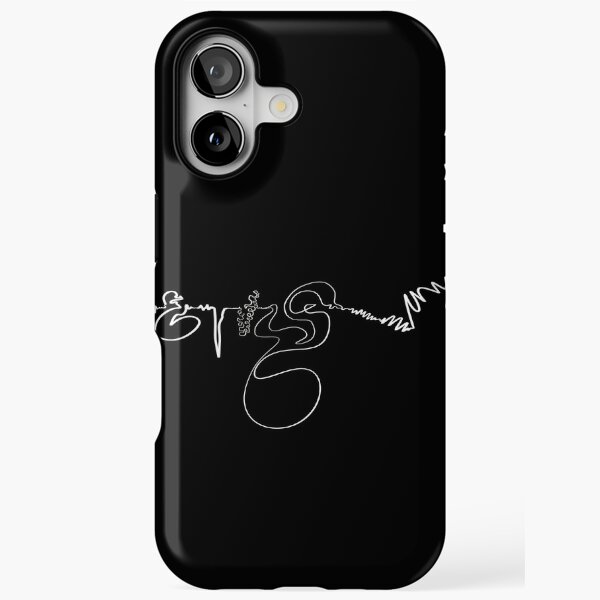
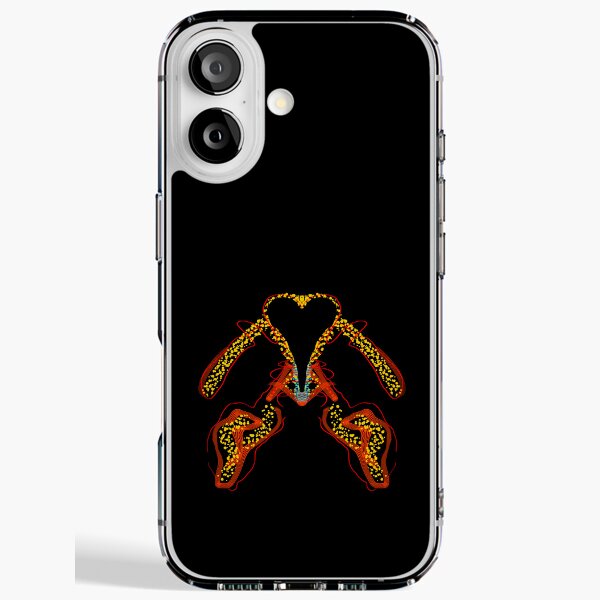
Continuum Line Score — Solo All Instruments and Dance Movement by iServalan iPhone Tough Case
£29.83


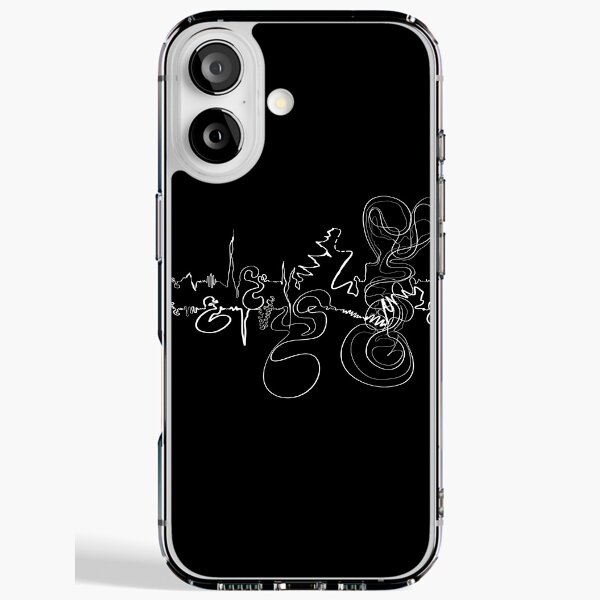
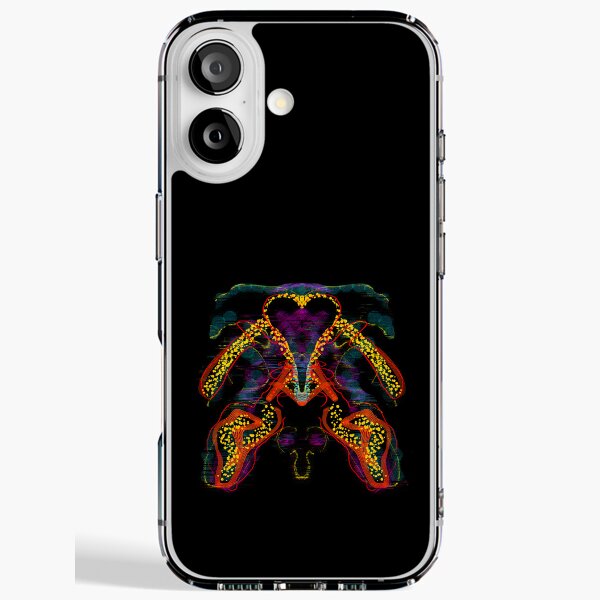
Continuum Line Score — Double Piano by iServalan Alternative Music Scores iPhone Soft Case
£25.71


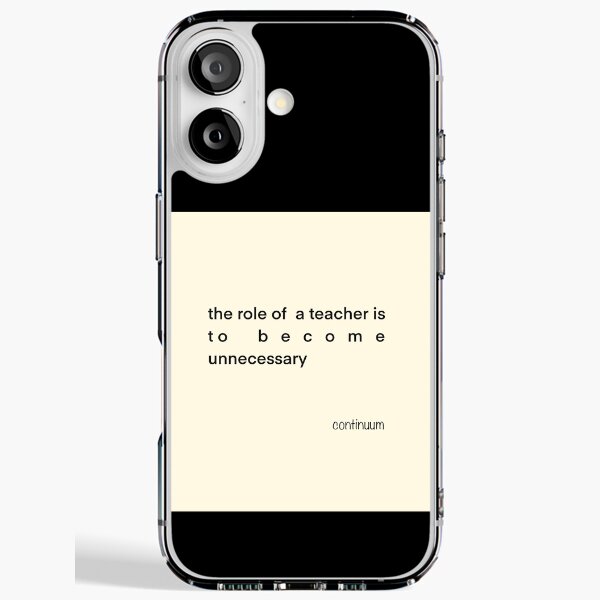
Teacher Apparel Continuum Music Approach iServalan iPhone Soft Case
£25.71


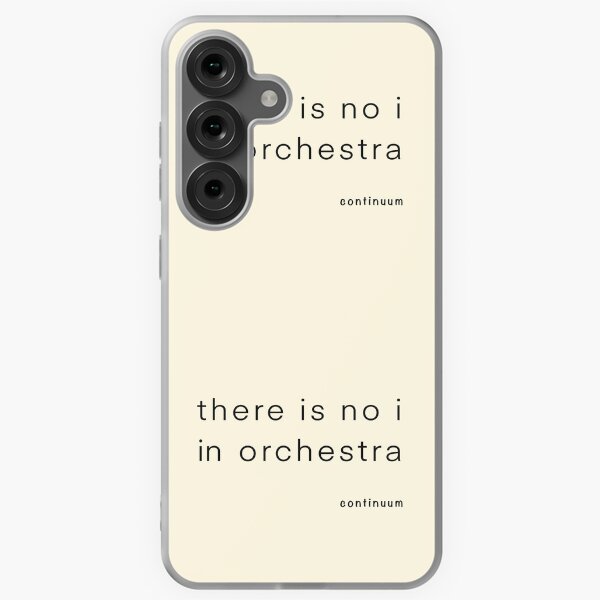
there is no i in orchestra | iServalan | Continuum Samsung Galaxy Soft Case
£20.01


Learning collapses when fear enters Continuum Approach iServalan iPhone Soft Case
£25.71


Immersion Cinema Movie Still by iServalan for BOI Transmissions by Sarnia de la Maré iPhone Tough Case
£29.83


Minor Matter Music Video Still by iServalan Book of Immersion iPhone Tough Case
£29.83


The Algea Coloured Art by iServalan for BOI by Sarnia de la Maré iPhone Soft Case
£25.71


The Fly Queen by iServalan Hyper Moving Liquid Style in Full Colour from BOI by Sarnia de la Maré iPhone Tough Case
£29.83


Crying Rabbit by iServalan for Neuro Books by Tale Teller Club Press iPhone Snap Case
£24.76


Immersion Static – Strata 1 Ep 5 VISIONS (Crime-Zone Analogue Sci-Fi Poster no text) Samsung Galaxy Soft Case
£20.01


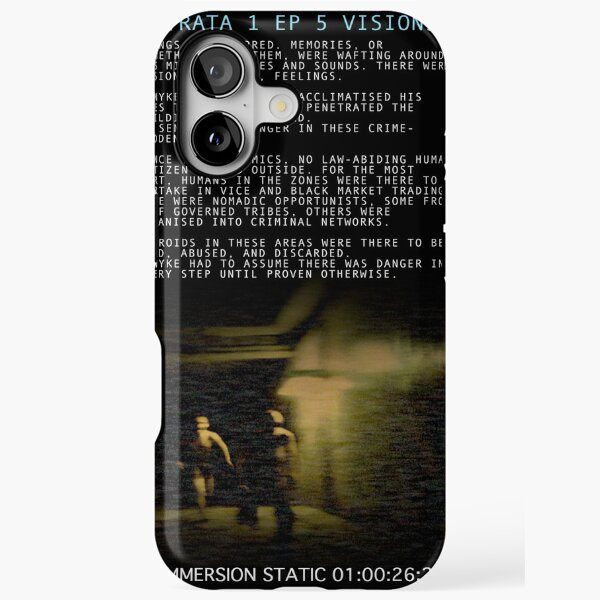
Immersion Static – Strata 1 Ep 5 Visions (Analogue Surveillance Poster with text) iPhone Tough Case
£29.83


BOI Strata 1 Movie Still by iServalan Renyke is Old iPhone Snap Case
£24.76


Sketching the News — #3: Trumping Through the Epstein Files iPhone Snap Case
£24.76


Sketching the News — #2: Britain Copies Denmark Without Reading the Instructions iPhone Tough Case
£29.83


Sketching the News — #1: Trump, the BBC, and the Licence Fee Shake-Down iPhone Snap Case
£24.76


Donald Trump Schoolboy Caricature for Politica UK Cartoons iPhone Tough Case
£29.83


The War Crown: Blair and Trump Attend Cheney’s Funeral (2025) iPhone Soft Case
£25.71


Dog’s Blx no 3 by iServalan DIGITAL AURA Artwork iPhone Soft Case
£25.71


Dog’s Blx no 2 by iServalan AURA Exhibition Art iPhone Soft Case
£25.71


Dog’s Blx no 1 Digital AURA Exhibition Artwork by iServalan Samsung Galaxy Soft Case
£20.01


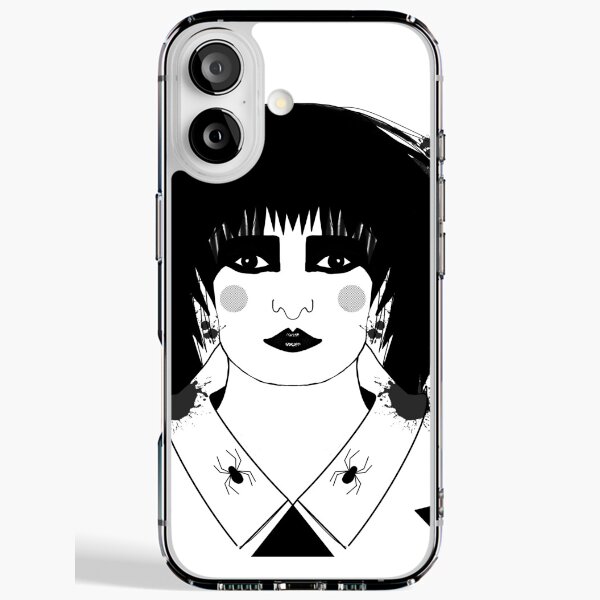
Goth Girl by iServalan for Tale Teller Club Press iPhone Soft Case
£25.71


Angry Punk Girl by iServalan for Tale Teller Club Press Samsung Galaxy Soft Case
£20.01


From Being Taught to Self Motivated Practice - A Continuum Approach to Music

The De la Maré Music Continuum | Adaptive, Pressure-Free Music Learning Framework


From Taught to Self-Directed: A Continuum Approach to Musical Practice

The purpose of musical teaching is not permanence.
It is passage.

Yet much of music education behaves as though the opposite were true: as though the teacher were meant to remain central, visible, directive—an ongoing authority whose presence is required for progress to continue. In such models, practice is assigned, monitored, corrected, and measured. Motivation is managed. Independence is promised later.

The Continuum Approach begins from a different assumption: that teaching exists to make itself gradually unnecessary.

Practice, in this view, is not a task handed down, but a capacity that must be grown. It is not sustained by supervision, but by understanding. A student who practises only when instructed has not failed; they have simply not yet been taught what practice actually is.

Practice and the Problem of Compliance

The word practice is often used imprecisely. It is treated as synonymous with repetition, obedience, or time spent. A student is said to “practise well” if they complete what was assigned, for the duration requested, with visible effort.

But this definition collapses the moment the teacher steps away.

Practice that depends on enforcement is not practice at all—it is rehearsal for assessment. It produces short-term compliance rather than long-term musicianship. When external pressure is removed, the activity dissolves, leaving confusion, guilt, or avoidance in its place.

This is not a failure of character or discipline. It is a failure of pedagogy.

Learning as a Continuum

Educational research has long understood learning as a continuum: from guided experience toward independent agency; from external structure toward internal motivation. Yet music education frequently interrupts this continuum by delaying autonomy, deferring choice, and confusing control with care.

Students are often told they will “understand later,” “choose later,” or “compose later,” once they have demonstrated sufficient obedience to the system. Independence is treated as a reward for endurance rather than a condition for engagement.

The result is a generation of musicians who have been taught what to play, but not how to practise without instruction—or why they might wish to.

Where Traditional Models Break Down

Many conventional approaches retain the teacher as the primary source of authority for too long. Correction precedes curiosity. Targets replace orientation. Silence and compliance are mistaken for progress.

In these environments, students may become highly trained yet strangely dependent—technically capable, but uncertain how to begin without permission. When practice stalls, it is framed as a motivational issue rather than a structural one.

But motivation cannot be commanded. It emerges only when a student recognises meaning, direction, and ownership in what they are doing.

The Continuum Position

Within the Continuum Approach, independence is not postponed. It is present from the beginning.

Students are introduced early to:

  • choice within structure

  • exploration before correction

  • composing alongside learning

  • familiarity with the full landscape of the instrument

This is not an abdication of guidance. It is a reordering of priorities.

Orientation comes before expectation. Scope comes before precision. Understanding precedes repetition. The student is not asked to obey an abstract standard, but to enter into a relationship with sound, space, and movement.

Independence is not the end goal of learning—it is the medium through which learning occurs.

Motivation as a By-Product

The Continuum does not attempt to “motivate” students through reward, pressure, or fear of falling behind. These tools may produce activity, but they rarely produce attachment.

Instead, motivation arises as a by-product of clarity and safety. When students understand their instrument, recognise their own progress, and feel a sense of ownership over sound, practice ceases to be something imposed. It becomes something chosen.

This shift is subtle but decisive. Practice moves from public to private—from performance for approval to exploration for oneself.

The Disappearing Teacher

The ethical teacher plans for their own disappearance—not through abandonment, but through careful withdrawal. Guidance becomes lighter. Authority becomes shared. Eventually, the student no longer needs to ask whether they should practise. They already know how.

This is not a loss. It is the success of the work.

The Continuum Approach does not ask when a student is ready to practise independently. It assumes they always were, and asks instead what conditions are required for that independence to emerge safely and sustainably.

Teaching, then, is not the art of control, but of release.

And practice, at last, becomes what it was always meant to be: a private act of attention, curiosity, and self-directed growth.

The Heart of the Workshop: A Viola Maker’s Bench

  The Heart of the Workshop: A Viola Maker’s Bench In the quiet intensity of a luthier’s workshop, where thin shavings of spruce curl under ...

FRIX at Blink Friction