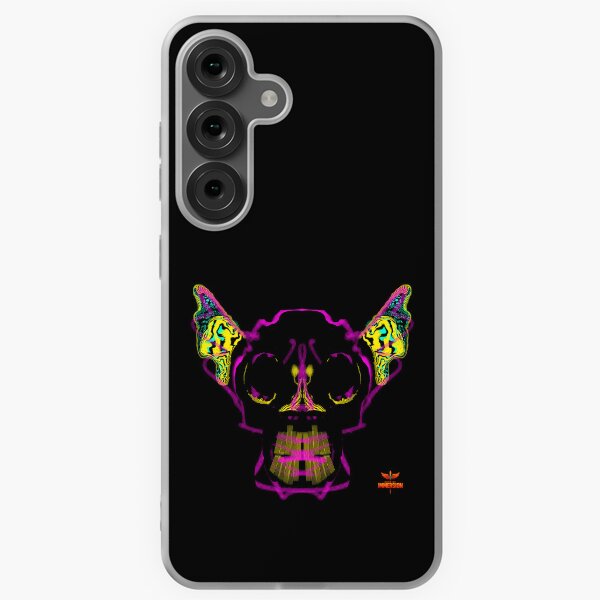
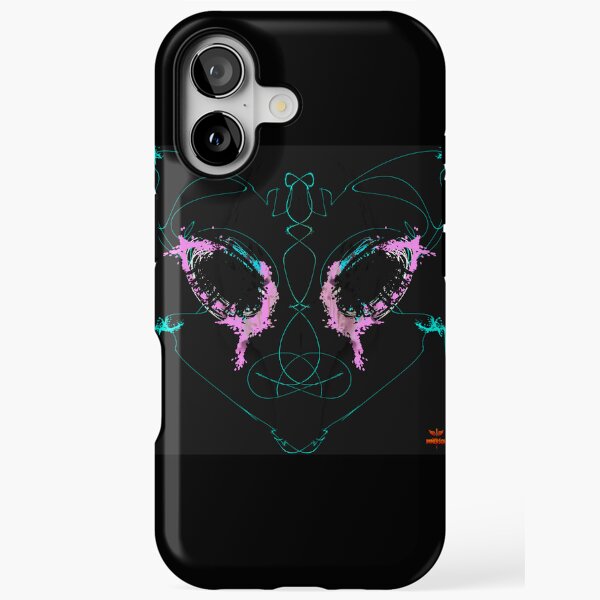
Playing the Line, without reading note.
When we remove notes, bars, and instructions, something unexpected happens: musicians begin to listen again and to simultaneously express themselves musically without prior knowlege of music score reading. This is extremely liberating, great fun, and by default highly creative.
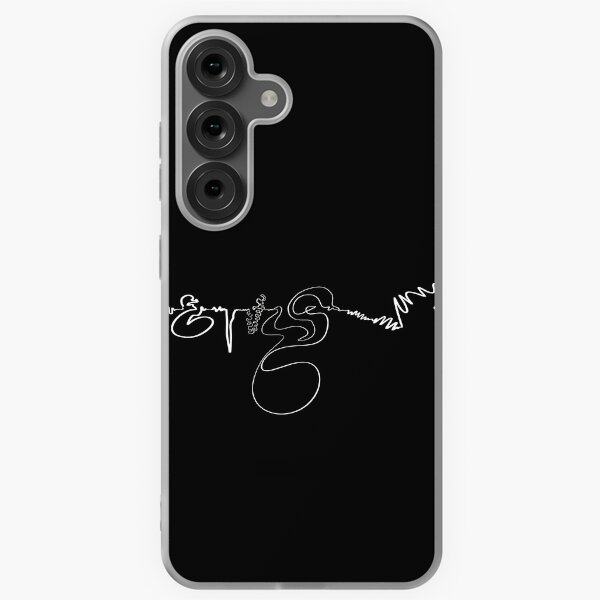
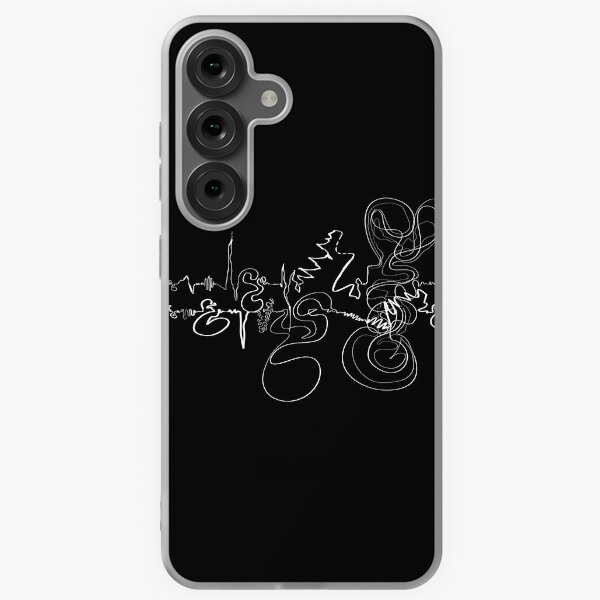
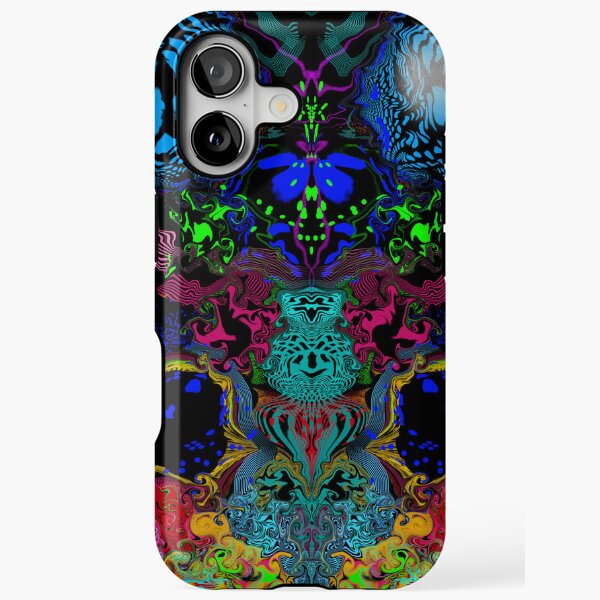
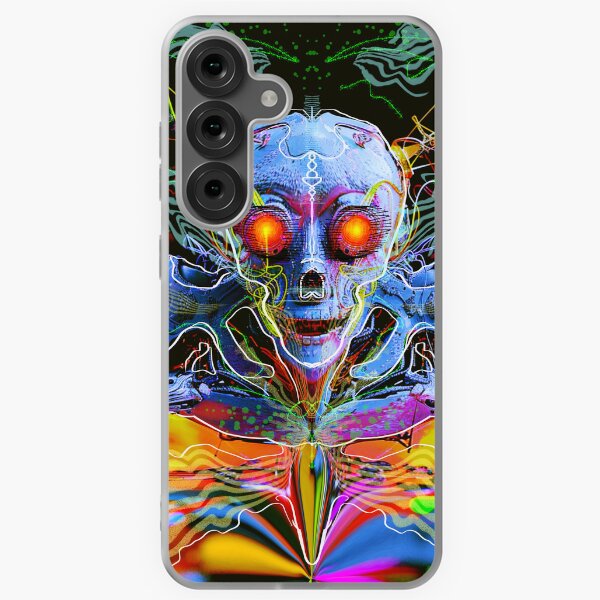
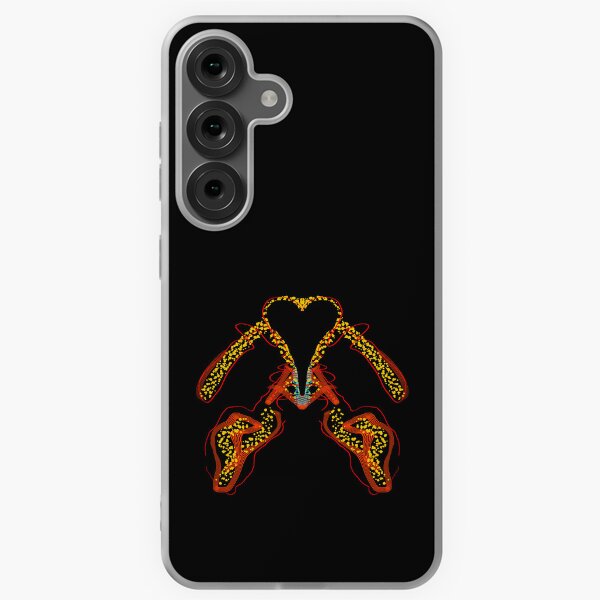
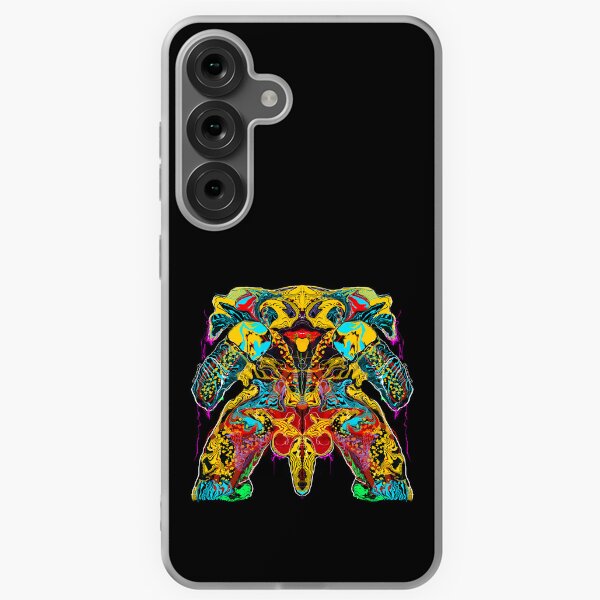
A line score, or image score, does not tell a performer what to play. It offers a direction of movement and asks the body to decide how sound should travel. The eye follows the line, the body and the impulse lead. Time becomes flexible. Pitch becomes relative, irrelevant even. Sound becomes an active flurry of instinct as the subcouncious impulses are allowed to run free.
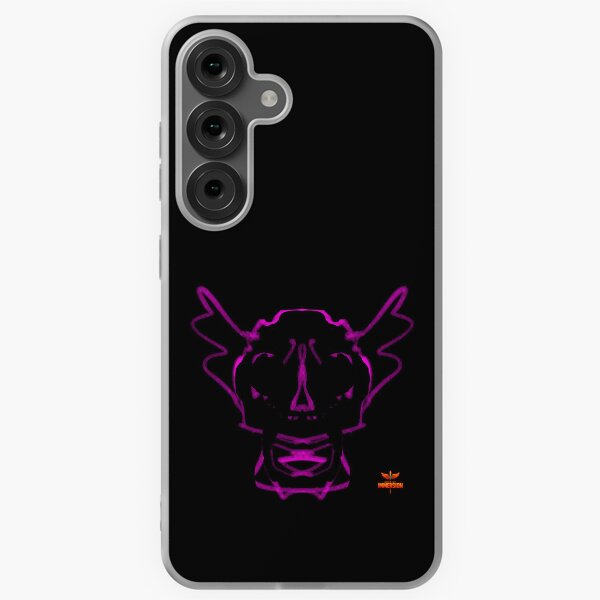
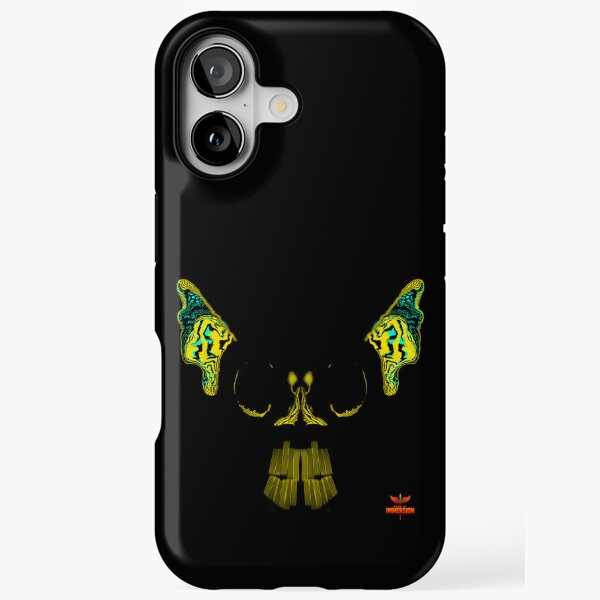
For many players — dislexic, autistic, neurodivergent, or non score reading musicians — traditional notation can feel visually loud. White pages, dense symbols, and competing instructions demand constant decoding. A line on a dark field does the opposite. It reduces visual noise and allows motion to be perceived before meaning. The line is not read; it is traced with the eye and focused in the mind with a freer committment and an honest result.
This shift matters. When music is approached as motion rather than correctness, anxiety falls away. There are no wrong notes because there are no prescribed notes. There is only continuity, interruption, weight, and release. The performer listens not for accuracy, but for coherence.
Line or directional scores are particularly powerful in groups. When several performers follow the same direction — or co-existing lines of possibility— the music becomes collective without being uniform. Players move together in time and space (not necessarily at a regulated tempo) while remaining independent in sound. This produces music that is often deeply human, irregular, and emotionally aligned, even when the performers have not rehearsed together.
Working with a teacher/conducter can add a level of organisation that acts as a cohesive energy, perhaps blowing a whistle or ringing a bell at the start of actionable symbols or intstructions.
At the piano, a line score can be followed by one hand or two. Each hand may trace a different line, or the same line in a different register. For percussion, the line becomes gesture and density. For voice, it becomes breath and contour. The image does not dictate the result; it invites it. There is no correct way to perform the piece and every performance will be different. Recording the productions leads to confident, experimental, and alternative works of pride for all participents offering an intrigueing look into a musician's personality and style.
©2026 Sarnia de la Mare | Continuum Approach