What Would Chopin Have Done If Johnny Rotten Asked Him to Stand In One Night?
(Public Image Ltd., not the Sex Pistols)
The mistake people make with Frédéric Chopin is assuming fragility.
They hear delicacy and confuse it with weakness.
They see intimacy and mistake it for smallness.
Chopin was not fragile.
He was precise.
If you want to hear why Chopin belongs in that room, don’t start with the glitter.
Start with the Prelude in E minor.
Nothing explodes. Nothing resolves neatly.
The weight comes from staying where others would escape.
That is not romantic excess —
that is controlled unease.
And that is why Chopin would survive a PIL set without softening it.
Now imagine the call comes from Johnny Rotten, deep in the era of Public Image Ltd. — where sound is stripped, suspicious, confrontational. A band member is down. They need someone who won’t panic, won’t overplay, won’t dilute the tension.
Chopin would have understood immediately what was required of him — because this is exactly what his own music does.
Chopin’s genius lies in controlled exposure.
He does not announce.
He reveals.
His music is built from small gestures under pressure. A melody that hesitates. A harmony that leans somewhere dangerous and stays there just long enough to make you feel it in your chest. He weaponises timing. He lets silence speak first.
That’s not romantic indulgence — that’s nerve.
Chopin’s sound world is private, but it is never passive. Every phrase is weighed. Every rubato is intentional. He stretches time not to float, but to test how much tension a listener can tolerate before release.
Put him into PIL and he wouldn’t bring lyricism.
He’d bring restraint.
Sparse lines. Dry articulation. Short gestures that feel exposed rather than decorative. He’d understand that the power of the room lies in what isn’t filled. That distortion doesn’t need fighting — it needs placement.
Because Chopin never competed for volume.
He competed for attention.
And that’s the key.
Chopin’s music is unmistakably “him” because it doesn’t try to dominate. It infiltrates. It sits next to you. It breathes when you breathe. And once it’s inside your ear, it doesn’t let go.
Johnny Rotten would have clocked it instantly — not as classical, not as polite, but as someone who knew how to stand inside discomfort without flinching.
That’s not softness.
That’s authority.
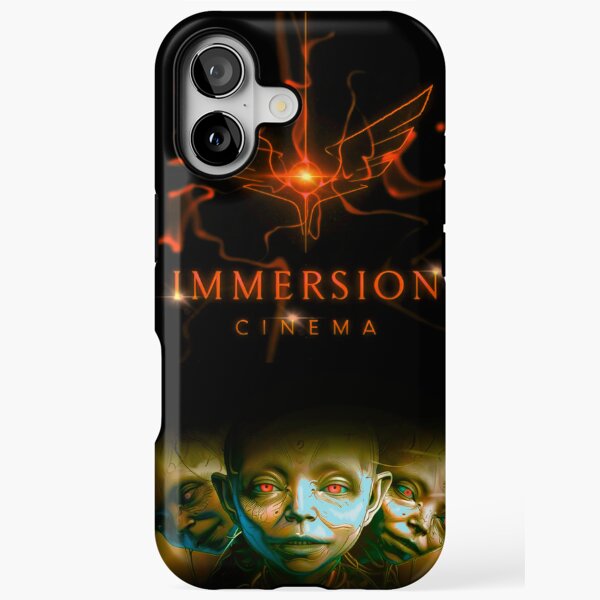
Immersion Cinema Movie Still by iServalan for BOI Transmissions by Sarnia de la Maré iPhone Tough Case
Minor Matter Music Video Still by iServalan Book of Immersion iPhone Tough Case
The Algea Coloured Art by iServalan for BOI by Sarnia de la Maré iPhone Soft Case
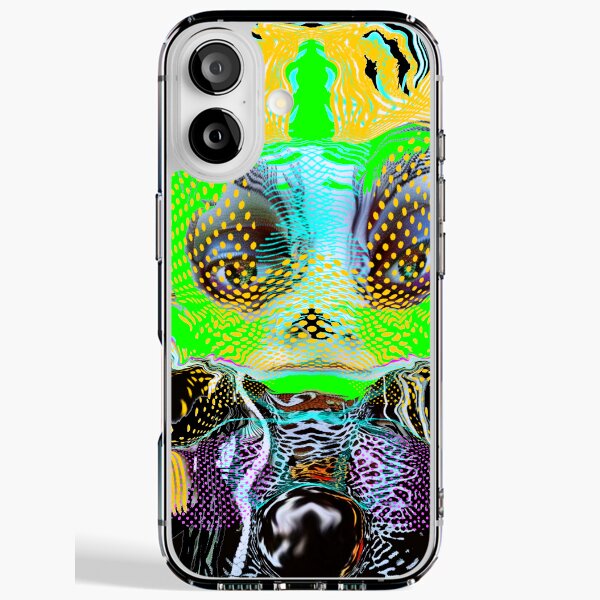
The Fly Queen by iServalan Hyper Moving Liquid Style in Full Colour from BOI by Sarnia de la Maré iPhone Tough Case
Crying Rabbit by iServalan for Neuro Books by Tale Teller Club Press iPhone Snap Case
Immersion Static – Strata 1 Ep 5 VISIONS (Crime-Zone Analogue Sci-Fi Poster no text) iPhone Tough Case
Immersion Static – Strata 1 Ep 5 Visions (Analogue Surveillance Poster with text) iPhone Soft Case
BOI Strata 1 Movie Still by iServalan Renyke is Old Samsung Galaxy Soft Case
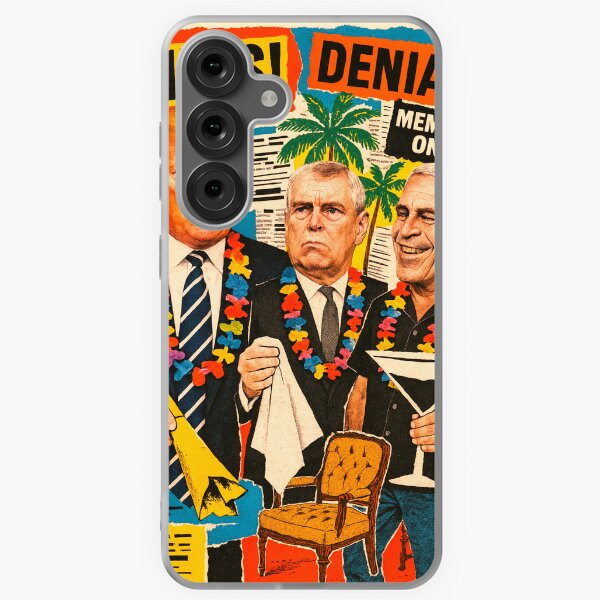
Sketching the News — #3: Trumping Through the Epstein Files Samsung Galaxy Soft Case
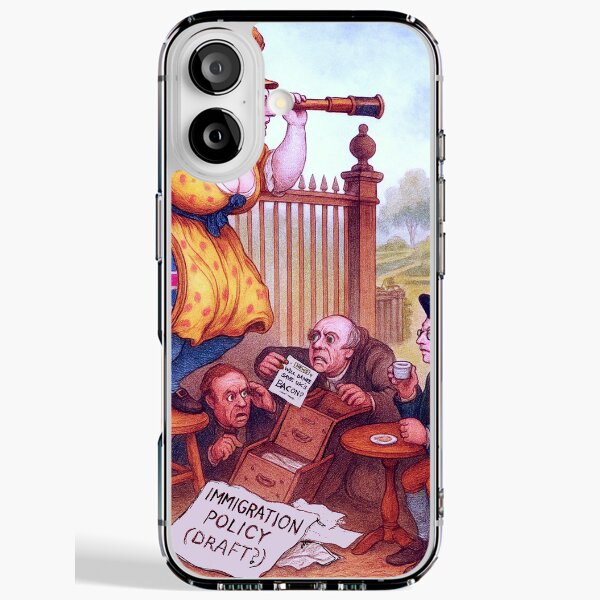
Sketching the News — #2: Britain Copies Denmark Without Reading the Instructions iPhone Soft Case
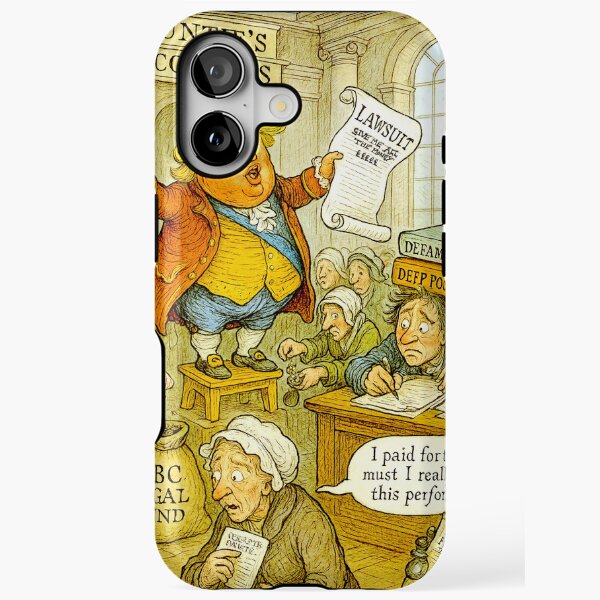
Sketching the News — #1: Trump, the BBC, and the Licence Fee Shake-Down iPhone Tough Case
Donald Trump Schoolboy Caricature for Politica UK Cartoons iPhone Soft Case
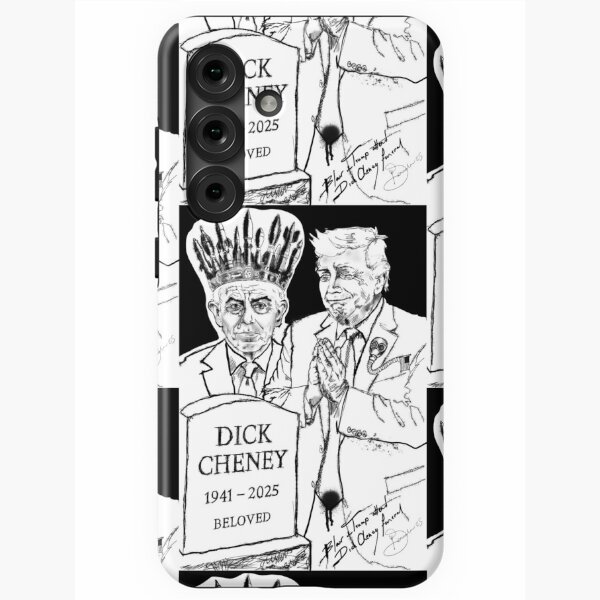
The War Crown: Blair and Trump Attend Cheney’s Funeral (2025) Samsung Galaxy Tough Case
Dog’s Blx no 3 by iServalan DIGITAL AURA Artwork iPhone Soft Case
Dog’s Blx no 2 by iServalan AURA Exhibition Art iPhone Tough Case
Dog’s Blx no 1 Digital AURA Exhibition Artwork by iServalan iPhone Tough Case
Goth Girl by iServalan for Tale Teller Club Press iPhone Tough Case
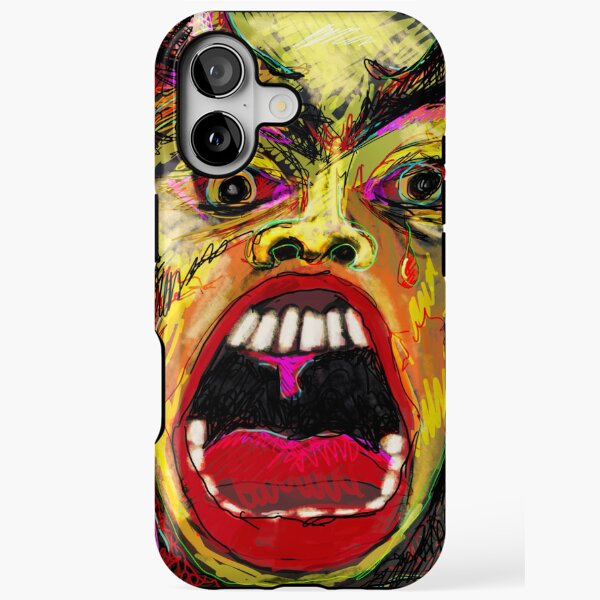
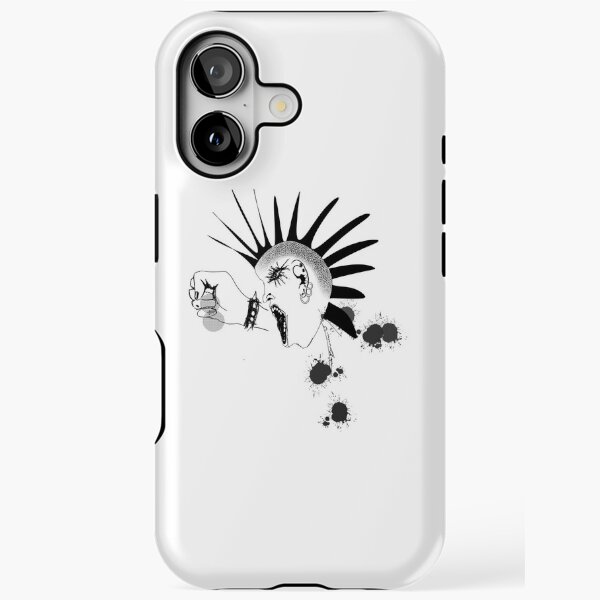
Angry Punk Girl by iServalan for Tale Teller Club Press iPhone Tough Case
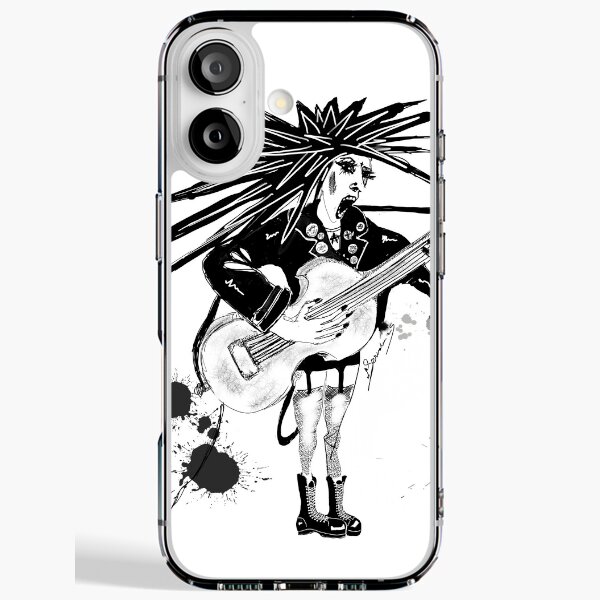
Punk Girl Band Guitarist by iServalan for Tale Teller Club Press iPhone Soft Case
Neural Skull no 1 Strata 20 Book of Immersion no 3 by iServalan iPhone Snap Case
Magenta Neural Skull Strata 20 Book of Immersion no 3 by iServalan iPhone Soft Case
Yellow Neural Skull Strata 20 Book of Immersion no 3 by iServalan iPhone Soft Case
Green Eye Neural Skull Strata 20 Book of Immersion no 4 by iServalan Samsung Galaxy Soft Case
Neural Skull Strata 20 Book of Immersion no 5 by iServalan iPhone Tough Case
The Cry-Eye (Cyan Insignia Caste III — The Signal-Seers iPhone Tough Case
The Warren-Crest Yellow Insignia Caste Vlll — The Engineers of Bone iPhone Tough Case
The Heart-Signal (Pink Insignia) Caste I — The Dream-Keepers iPhone Soft Case
The Gnawmother — Rat Commander of the Burrows iPhone Tough Case
Strata 27 Control Instincts (Loyalty and Choice) Book of Immersion V II iPhone Soft Case
Dinfant Bio and Electronic Mapping Book of Immersion by Sarnia de la Mare iPhone Soft Case
Mantis Insignia Book of Immersion Art by iServalan iPhone Tough Case
Strata 2 The Maybe Line (Friendship) Book of Immersion V I Art iPhone Soft Case
Renyke Begins the Journey – Book of Immersion iPhone Soft Case
Book of Immersion, The First Sighting of Maybeline iPhone Tough Case
Book of Immersion, Contemplation Samsung Galaxy Soft Case
Book of Immersion, Mabel Prepares the Inception iPhone Tough Case
Book of Immersion, Renyke is Alive iPhone Tough Case
Book of Immersion, Trepidation Samsung Galaxy Soft Case
Book of Immersion, the Animals are Watching iPhone Tough Case