I have some music book sales on eBay today as I raise funds for my uni course.
Lots more on the way!
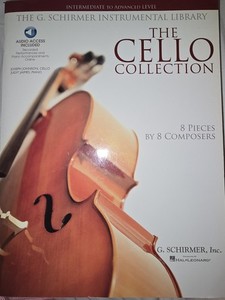
£10.79

£16.15

£7.05

£10.80

£16.15

£10.80

£6.52

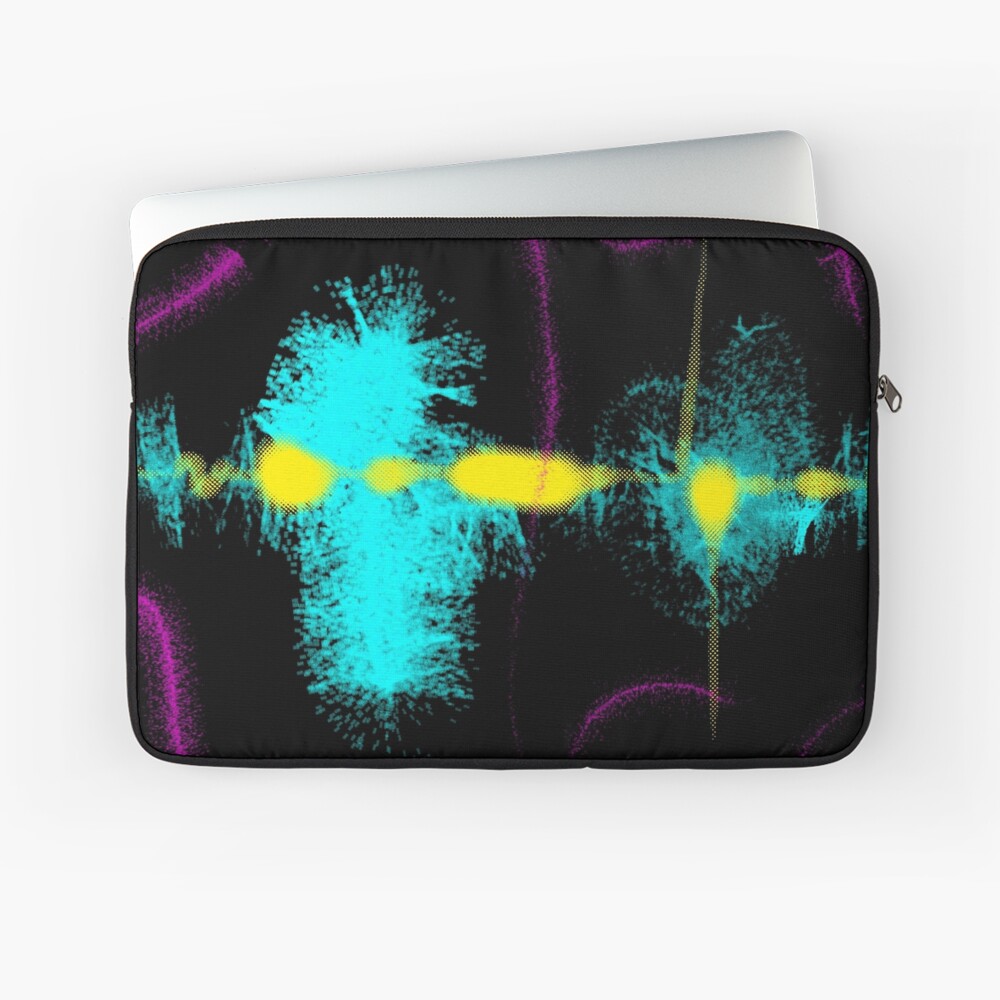
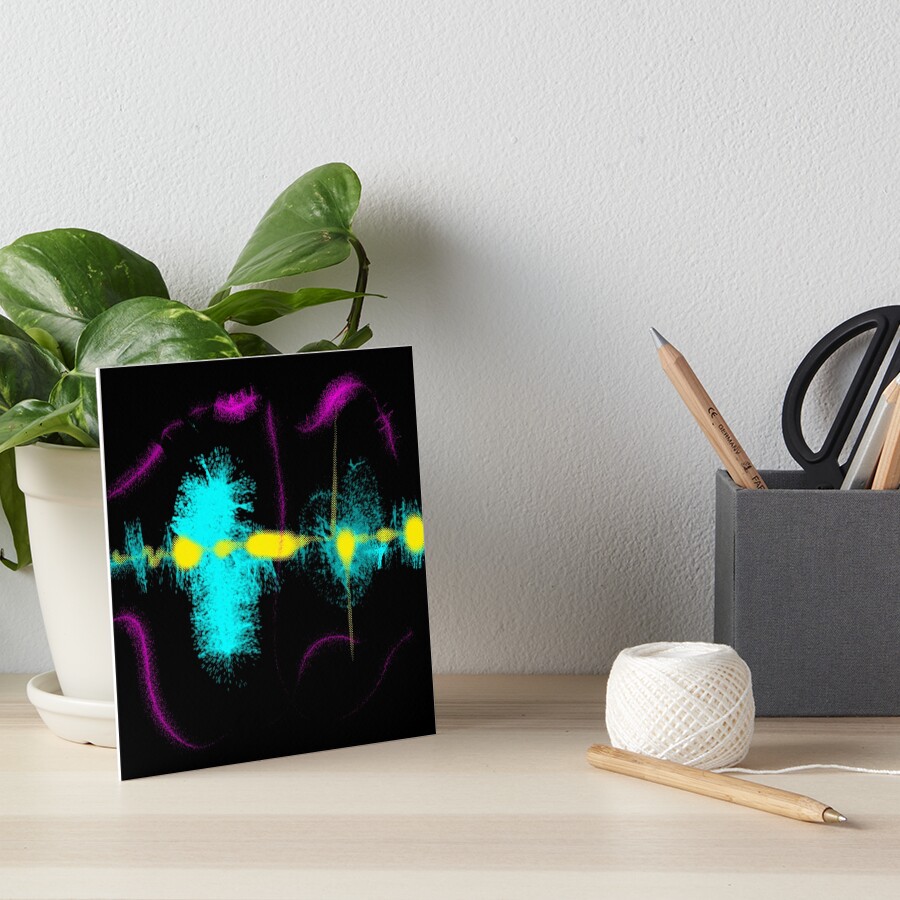
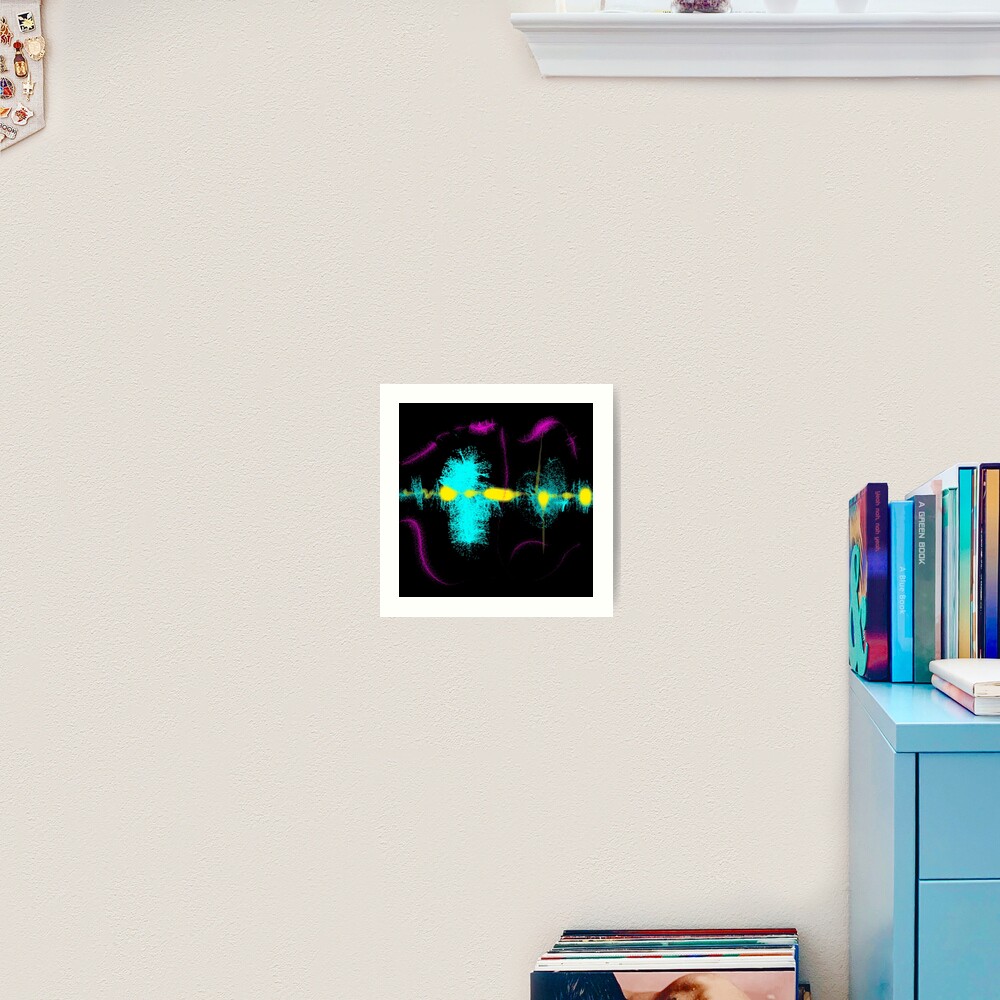
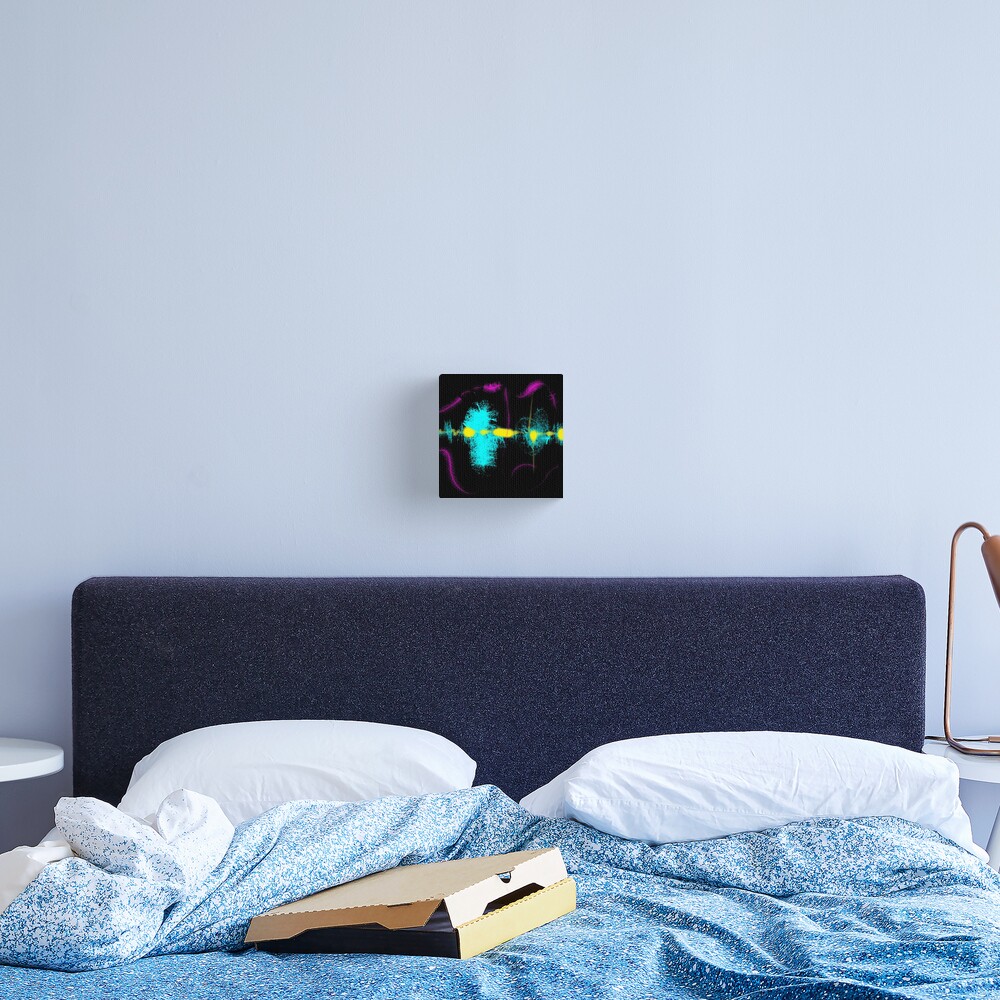
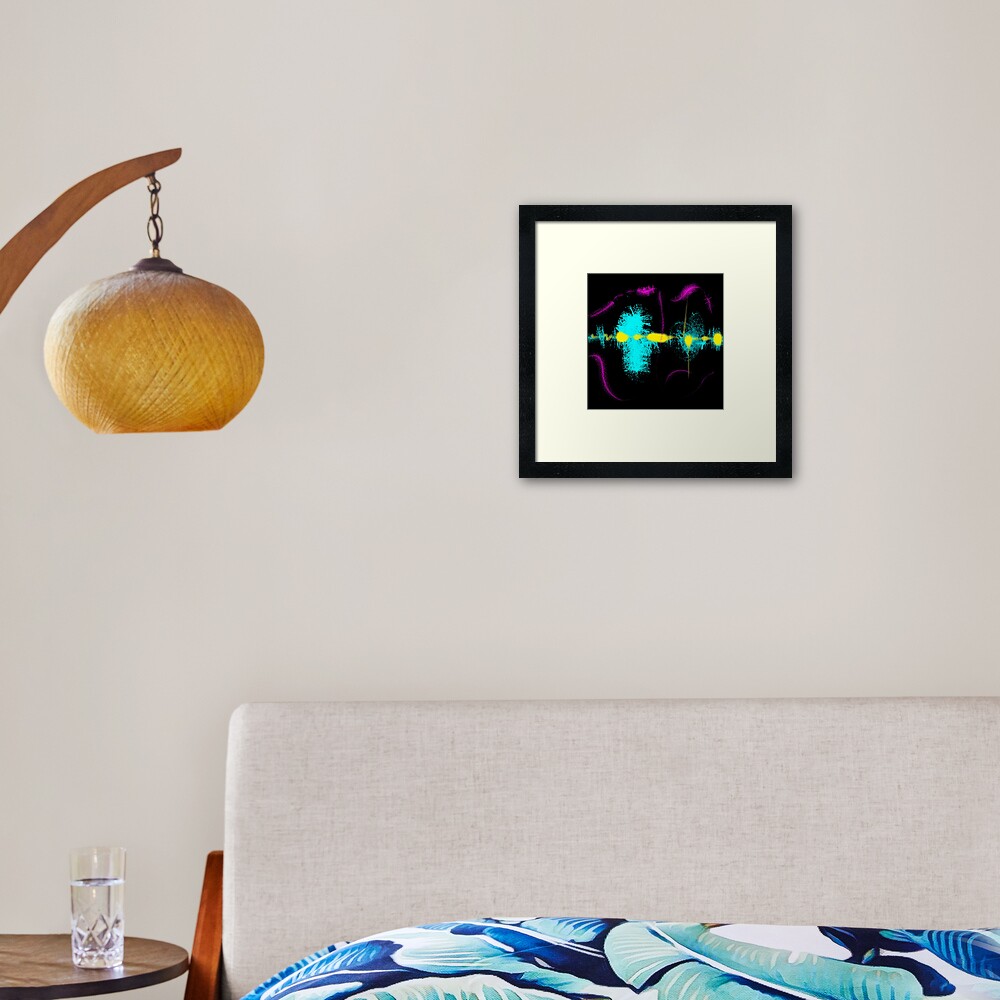
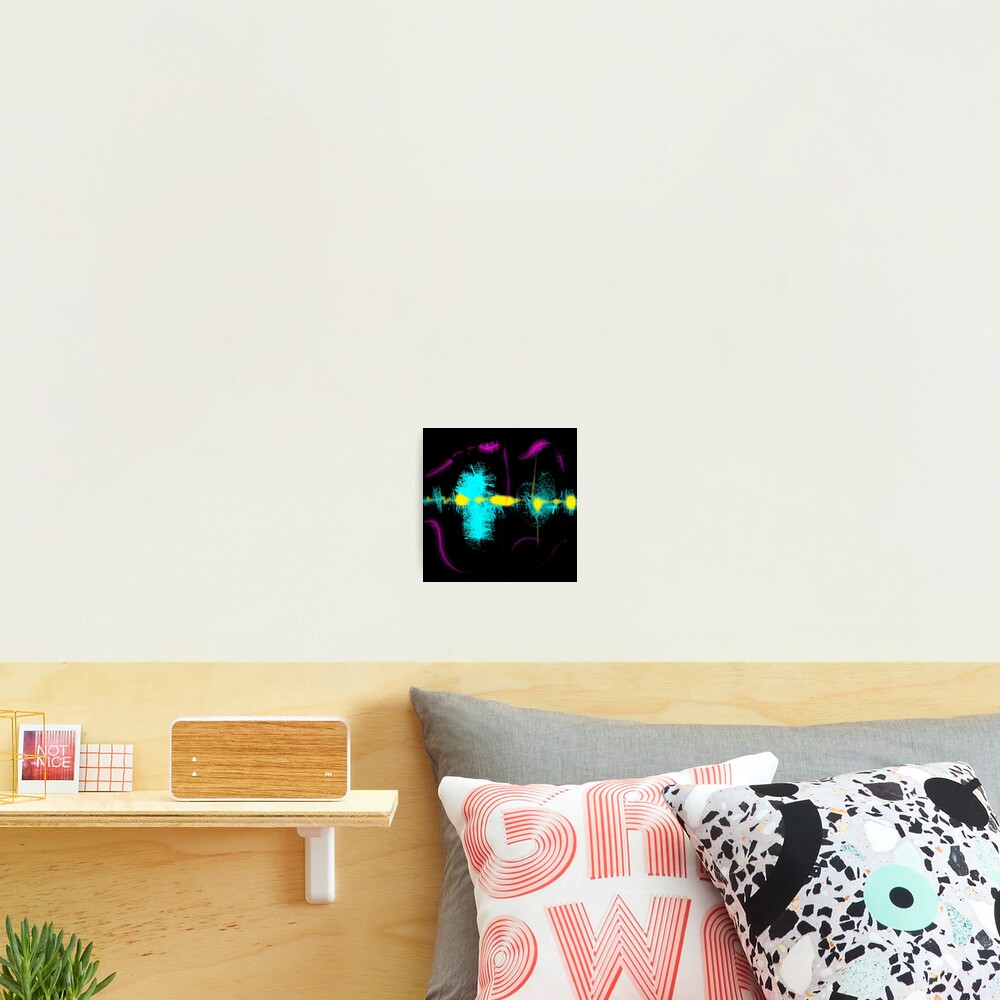
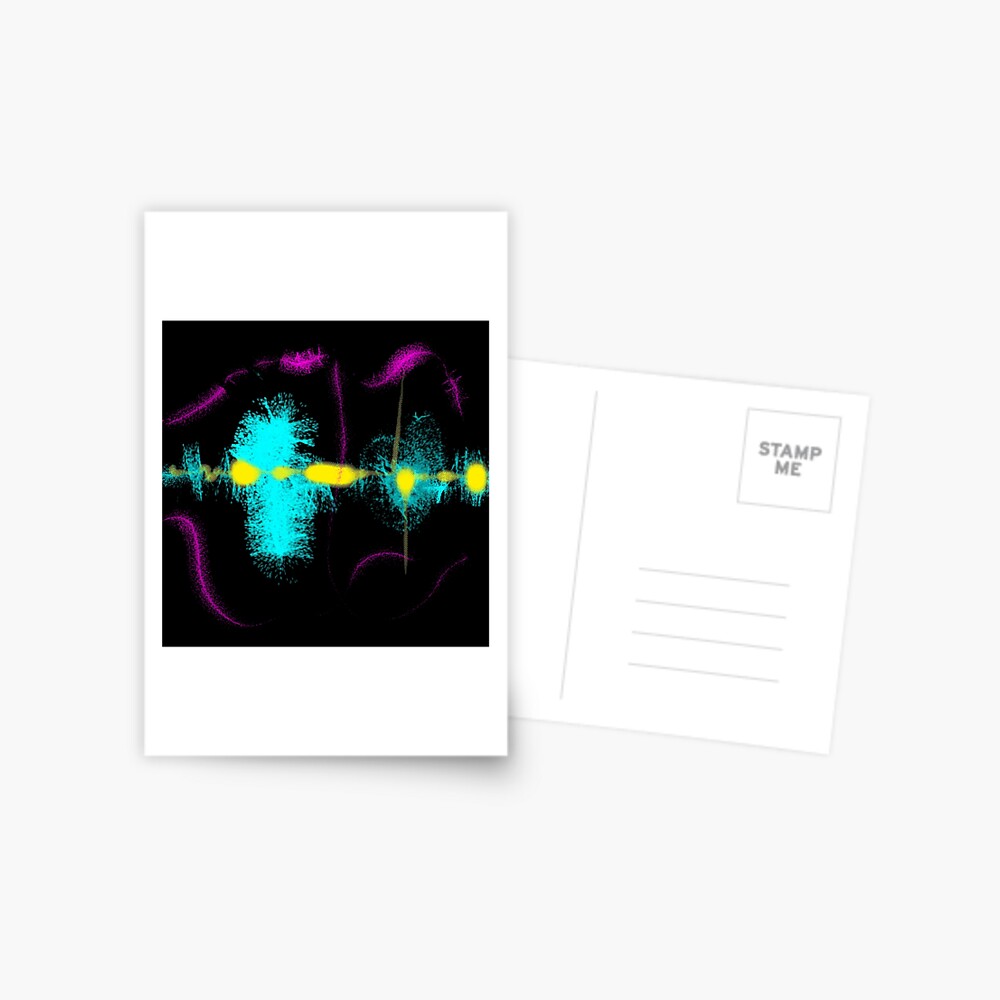
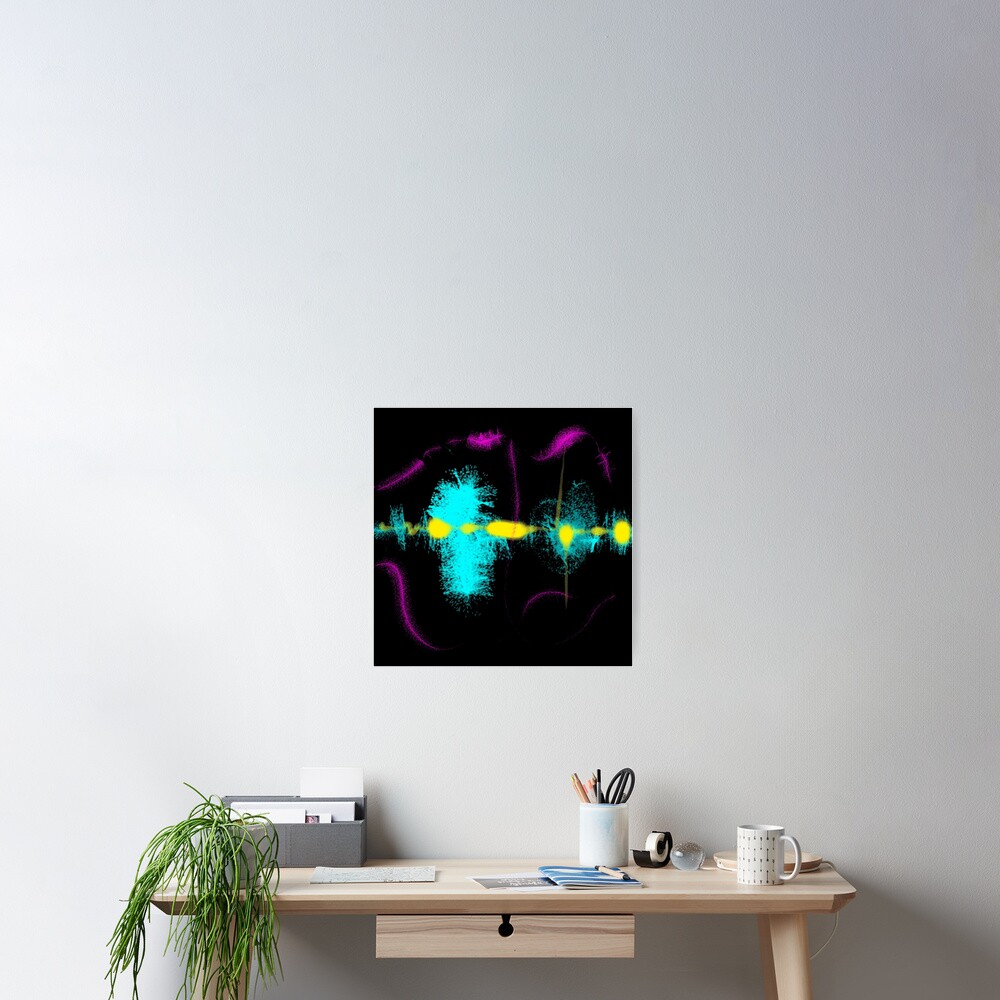
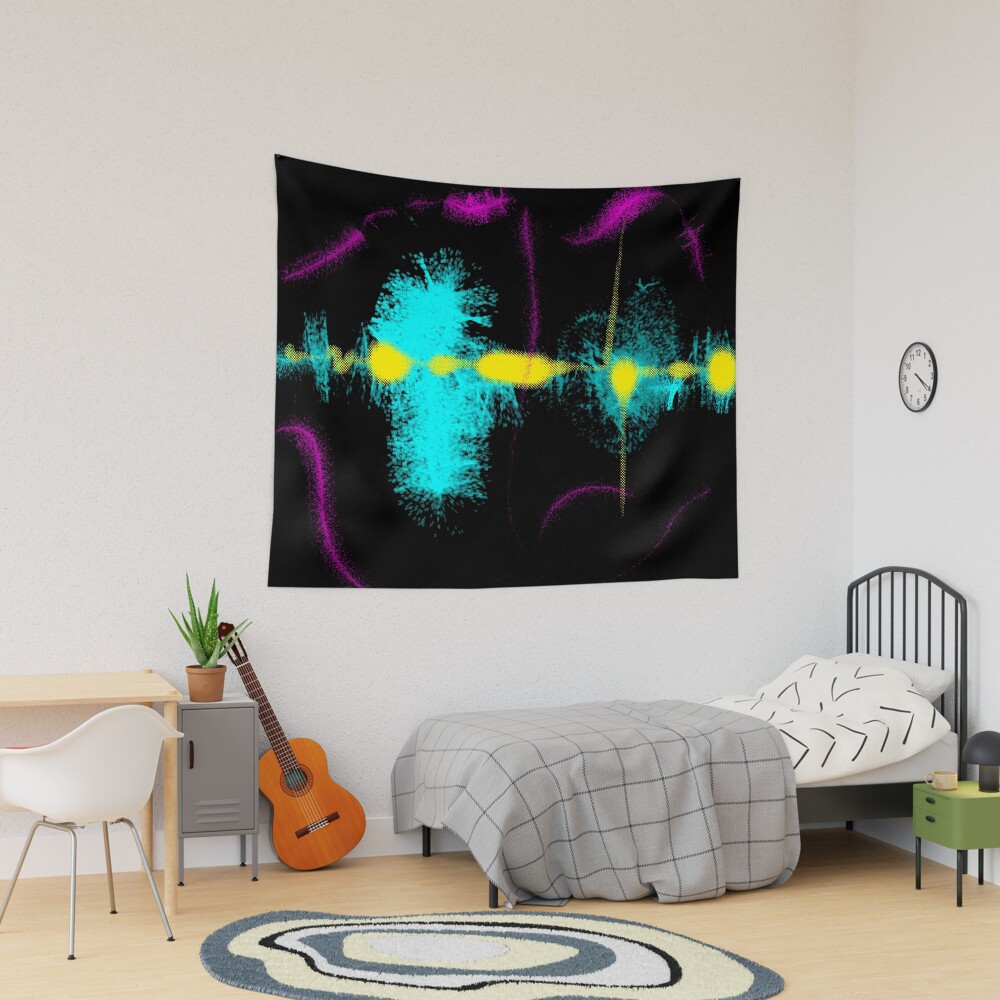
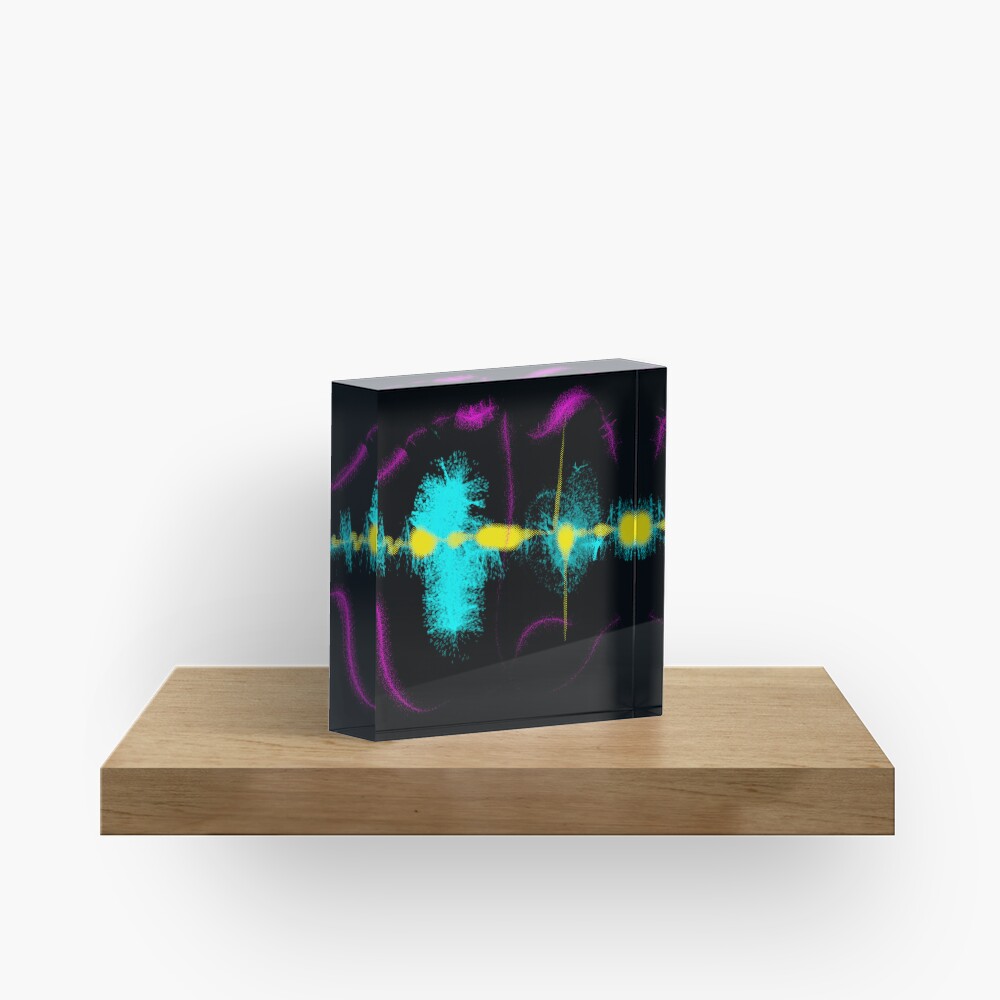
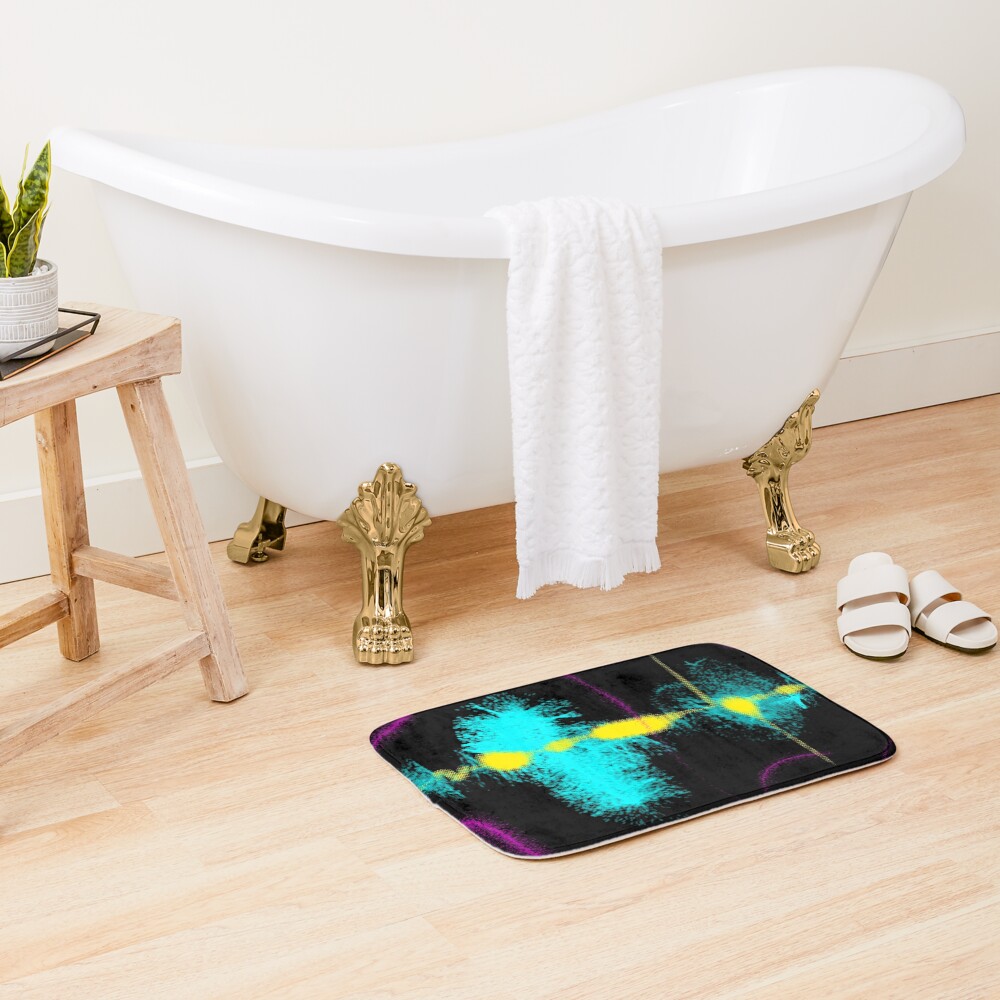
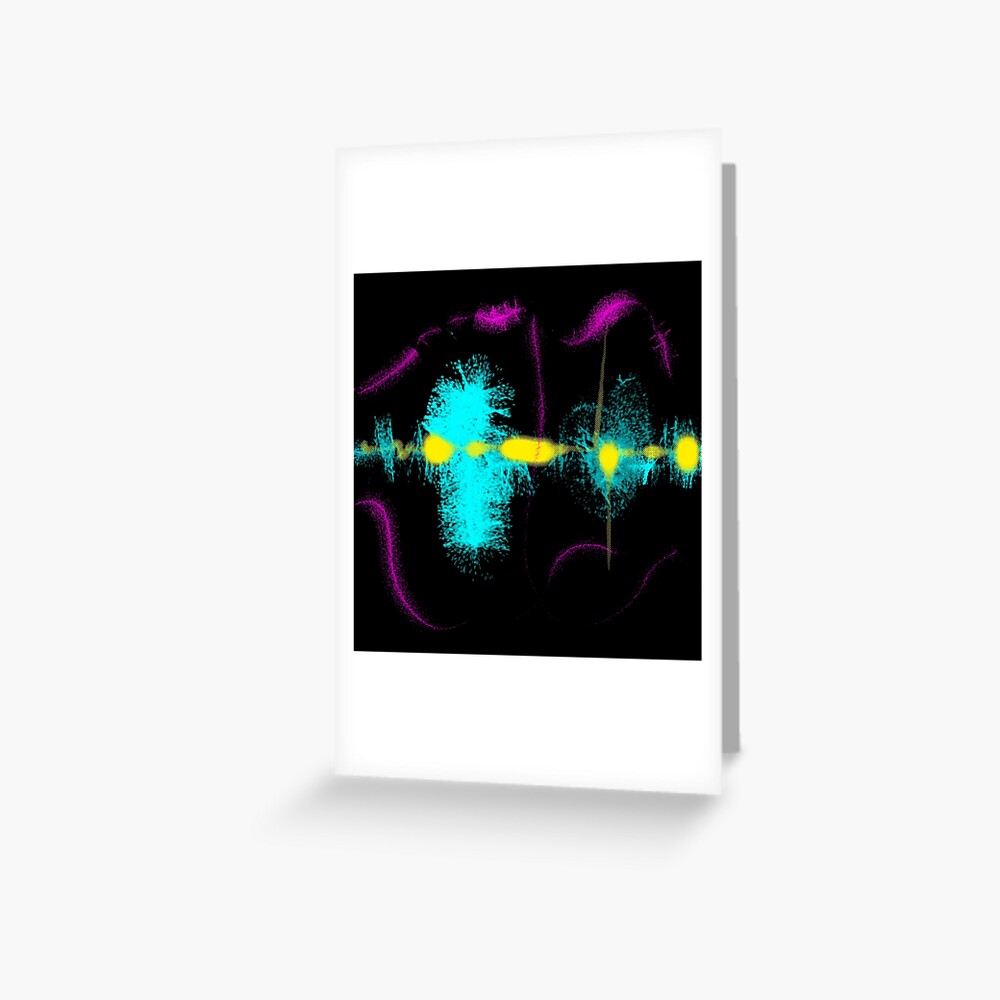
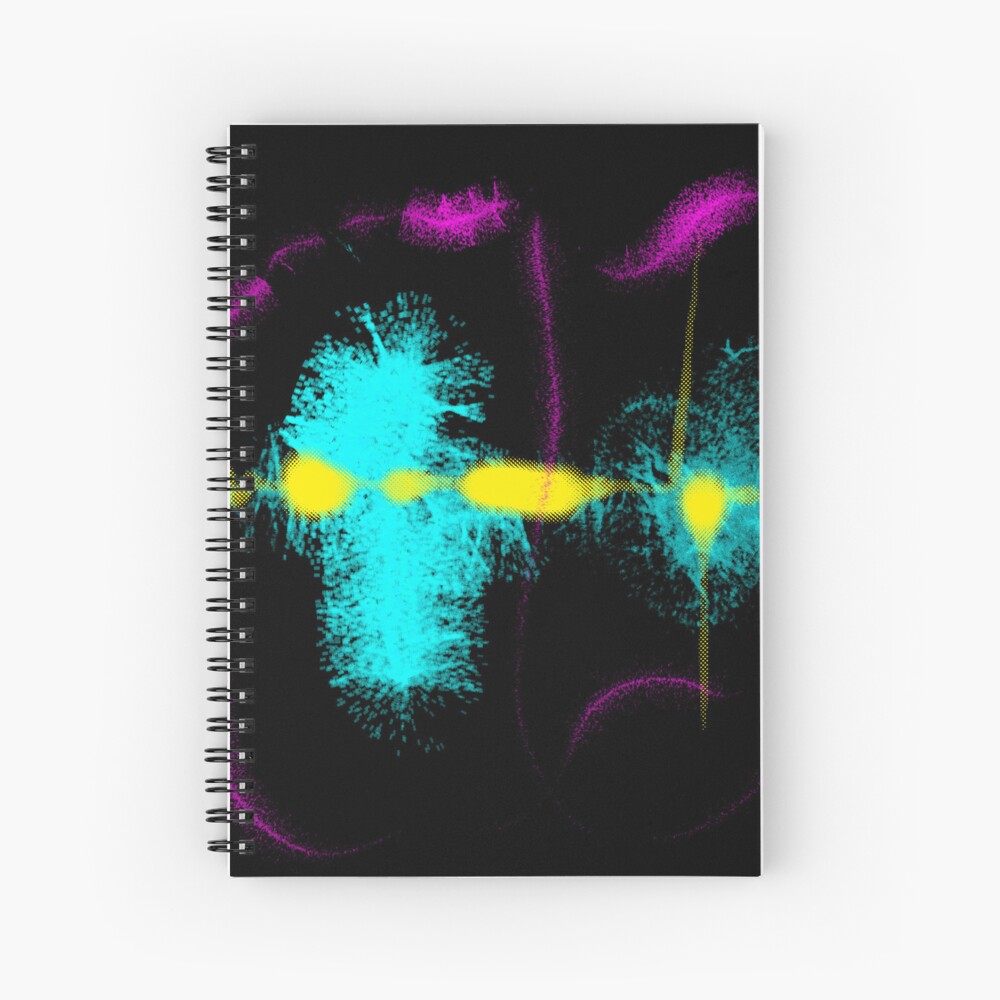
Image Scores: Improvisation, Composition, and the Freedom of the Line
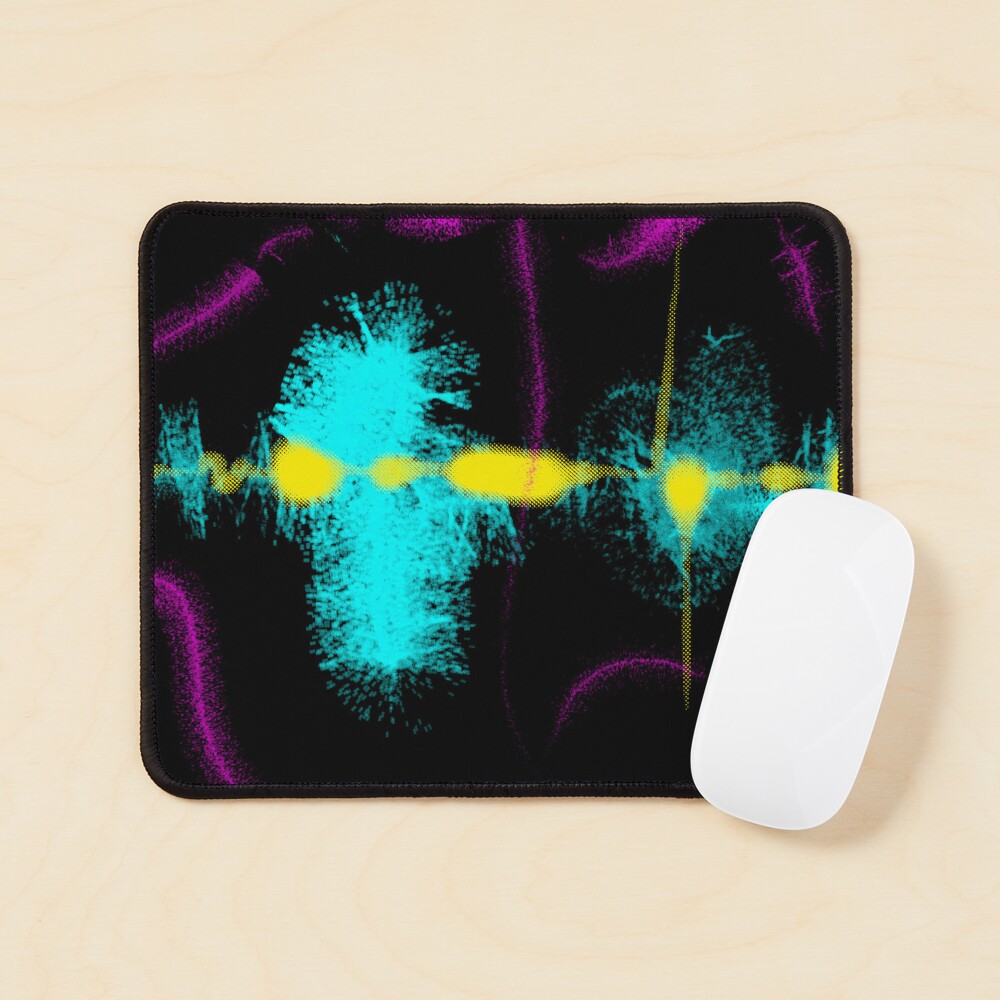
Image scores occupy a distinctive and valuable place within the De la Maré Music Continuum. They sit between improvisation and composition, allowing each to inform the other without hierarchy. Rather than separating free play from serious writing, they quietly dissolve that boundary. They give improvisation shape and give composition breath.
At their core, image scores replace instruction with invitation. They do not prescribe fixed pitch, rhythm, or harmony. Instead they offer visual prompts—density, direction, contrast, interruption, accumulation, contour. These elements are deeply musical, yet they bypass the habits and anxieties that conventional notation can sometimes trigger. A line drawn on a quiet field does not tell the performer what to play; it offers a direction of movement and invites the body and the ear to decide how sound should travel. The eye follows the line; impulse and listening lead. Time becomes flexible. Pitch becomes relative. Sound emerges as responsive rather than prescribed.
For improvisers this is liberating. Improvisation often falters not from lack of imagination but from lack of permission. Fear of becoming lost, of doing too much or too little, of sounding incoherent, can tighten the body and flatten the music. An image score removes that pressure by providing an external focus that gently anchors the player. The musician is no longer inventing in a void; they are responding. Density becomes a guide, shape a boundary, direction a pathway. Longer arcs replace nervous flurries. Intentional restraint becomes possible. Space is listened to as actively as sound. Improvisation shifts from filling time to shaping experience. Because the same image can be returned to repeatedly, the player develops improvisational fluency—not as randomness, but as responsive, evolving choice.
For composers, image scores function as conceptual blueprints. They allow musical ideas to exist before traditional notation, or entirely without it. Structure, contrast, tension, and release can be explored visually, free of early commitment to particular pitch systems or formal constraints. This is especially useful for those who think spatially, who work across media, or who wish to step outside habitual harmonic and rhythmic patterns. An image score may later be translated into conventional notation, electronic sequencing, or text instructions, or it may remain open as a performance framework. The process stays fluid for longer, often leading to more original outcomes. There is no blank-page paralysis; the page is already alive with intention. The composer’s task is to listen to what the image suggests.
The same qualities make image scores particularly powerful for learners who find traditional notation visually demanding—dyslexic, autistic, neurodivergent, or non-reading musicians. Dense symbols on white pages can feel loud and overwhelming. A clear line on a quieter ground reduces visual noise and allows motion to be perceived before meaning. The line is not decoded; it is traced. Anxiety diminishes because there are no prescribed notes and therefore no wrong ones. There is only continuity, interruption, weight, and release. The performer listens for coherence rather than correctness.
In group settings these scores foster collective music-making without uniformity. When several players follow the same directional line—or co-existing lines—the music becomes shared in time and space while remaining independent in sound. The result is often deeply human, irregular, and emotionally aligned, even among performers who have not previously rehearsed together. A teacher or facilitator may add light organisational signals—a simple sound or gesture—to mark shared points of entry or change, providing cohesion without controlling the content. At the piano one or both hands may trace different lines or the same line in contrasting registers. For percussion the line becomes gesture and density; for voice it becomes breath and contour. Every performance is different. Recording these explorations often yields work of genuine pride, offering an honest glimpse into each musician’s personality and instinctive style.
What makes image scores especially valuable within the Continuum is the way they teach improvisers to think like composers and composers to trust improvisation. Improvisers gain experience of pacing, form, and restraint. Composers reconnect with immediacy, embodiment, and risk. The score becomes a shared language between instinct and design. In teaching contexts this reverses a common and limiting assumption: that technique must be mastered before creation is permitted. Image scores invite creation first; technique follows naturally, in service of expression.
They do not replace traditional scores. They widen the field. In doing so they help musicians of every age and ability move more freely between improvising, composing, and simply being present with sound. Music is reminded that it is not born on the staff. It is born in attention, in listening, and in the quiet courage to respond.


















View this post on Instagram A post shared by iServalan (@iservalanmusic) Ripped Stretch Levi’s Spares Repairs Men'...


