Black background, Coloured Line: Visual Processing, Autism, and Open Scores
For many autistic people, perception is not a neutral backdrop but an active, often intense experience. Visual information arrives with weight, texture, and emotional charge. Where neurotypical design often assumes that white space is calming and clarity lies in brightness, autistic perception frequently responds in the opposite way. High-contrast white backgrounds, dense notation, and visual clutter can overwhelm the nervous system, creating cognitive fatigue before any meaningful engagement begins.
Black or dark backgrounds, by contrast, reduce overall luminance. They quiet the visual field. Instead of light flooding the eye, forms emerge gently, with edges that feel contained rather than invasive. For many autistic individuals, this reduction in brightness lowers sensory load, allowing attention to settle rather than scatter. The background recedes, and what remains becomes deliberate.
Colour, when used sparingly and intentionally against a dark ground, takes on a different role. Rather than competing for attention, it becomes a guide. Autistic perception often favours pattern recognition, relational thinking, and continuity over symbolic abstraction. Colour coding supports this by providing immediate, non-verbal structure. It does not require translation into language or rules; it is understood directly.
In this context, coloured lines are not decorative. They are functional. A green line may suggest continuity, growth, or grounding. A red line may suggest intensity, alertness, or change. These associations are not fixed or prescriptive; they are experiential. The performer does not need to be told what the colour means. The nervous system responds before conscious interpretation occurs.
This is particularly important in musical notation. Traditional scores demand layered decoding: pitch, rhythm, articulation, dynamics, and expression must all be processed simultaneously, often at speed. For autistic musicians, this can create a bottleneck where cognitive effort eclipses listening. The act of reading becomes dominant, and sound becomes secondary.
Line-based graphic scores reverse this hierarchy. A single line on a dark ground removes symbolic overload and restores temporal flow. The eye follows the line as it would follow a path, a gesture, or a breath. There is no requirement to “translate” the image into correct notes. Instead, the image invites a response.
This kind of visual language aligns closely with autistic strengths. Many autistic individuals process information holistically rather than sequentially. They perceive movement, contour, density, and change as integrated experiences. A continuous line that rises, falls, thickens, or fractures can be understood immediately as motion, tension, release, or stillness. The performer is not asked to remember rules but to remain present.
Black backgrounds further support this mode of engagement by removing visual noise. There are no margins to manage, no staff lines to track, no competing symbols. The image floats in space. Attention can rest on it without effort. This creates a sense of safety, which is essential for musical risk-taking. When the nervous system feels safe, listening deepens. When listening deepens, expression follows.
Colour coding also supports memory without pressure. Instead of remembering instructions, the performer remembers sensations: the green section felt expansive; the red section felt charged; the thin line required restraint; the spiral invited immersion. These memories are embodied rather than verbal. They remain accessible even when executive function fluctuates.
Importantly, these scores do not demand eye contact, rapid decision-making, or social interpretation. They can be engaged with privately or collectively, without hierarchy. In group settings, this removes many of the social stresses that autistic musicians often experience in ensembles. Everyone follows the same image, but each response remains individual. Difference is not corrected; it is expected.
For autistic adults in particular, this approach offers a rare permission: to make sound without performing correctness. There is no wrong tempo, no wrong pitch, no failure to keep up. The score does not judge. It simply exists. This reduces masking, allowing the musician to respond as they are rather than as they think they should be.
These line scores, along with other image based scores, are therefore not simplified versions of traditional
notation. They are a different epistemology altogether. They prioritise perception over prescription, sensation over symbol, and presence over outcome. In doing so, they create a musical space that is accessible, dignified, and deeply expressive for autistic musicians — and, often unexpectedly, liberating for everyone else as well.
© 2026 Sarnia de la Maré FRSA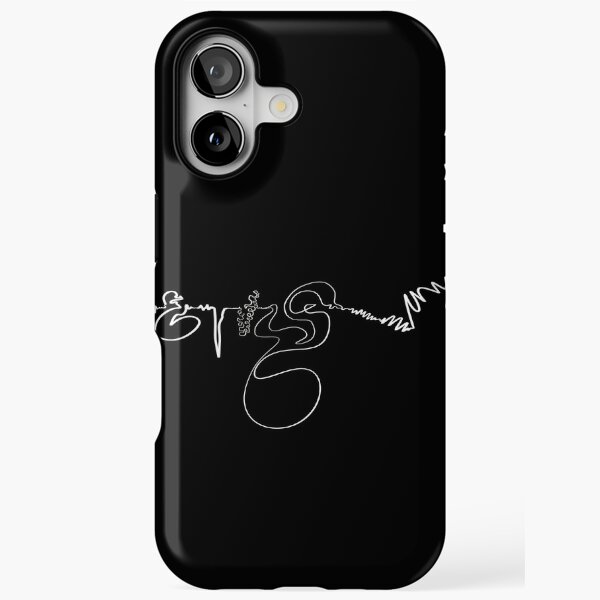
Continuum Line Score — Solo All Instruments and Dance Movement by iServalan iPhone Tough Case
£29.83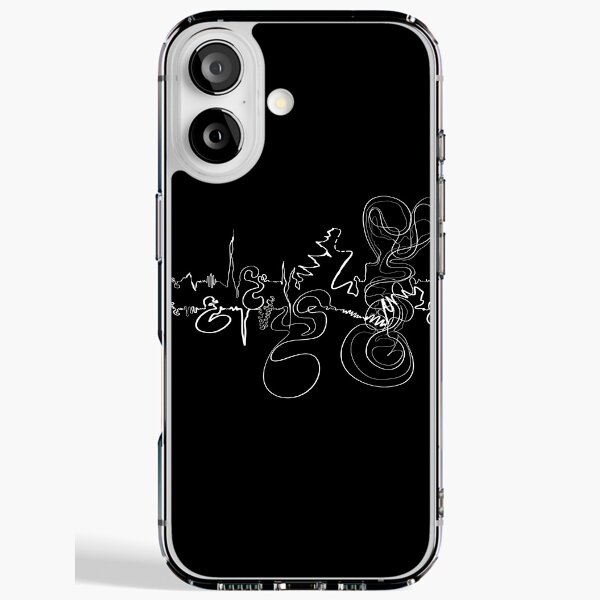
Continuum Line Score — Double Piano by iServalan Alternative Music Scores iPhone Soft Case
£25.71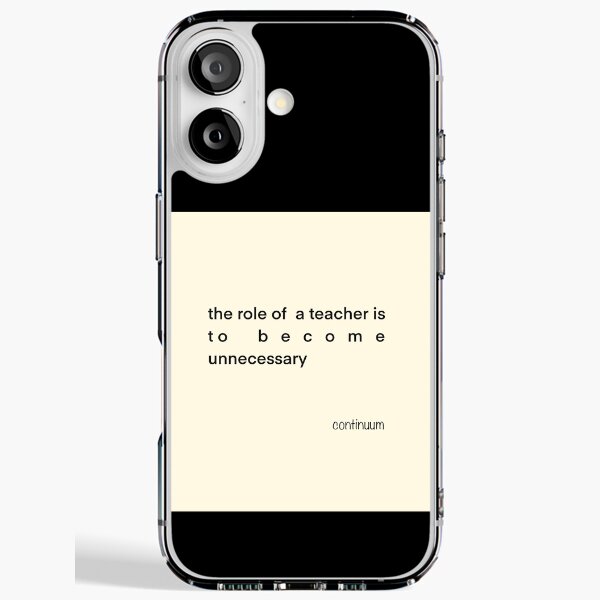
Teacher Apparel Continuum Music Approach iServalan iPhone Soft Case
£25.71
there is no i in orchestra | iServalan | Continuum Samsung Galaxy Soft Case
£20.01
Learning collapses when fear enters Continuum Approach iServalan iPhone Soft Case
£25.71
Immersion Cinema Movie Still by iServalan for BOI Transmissions by Sarnia de la Maré iPhone Tough Case
£29.83
Minor Matter Music Video Still by iServalan Book of Immersion iPhone Tough Case
£29.83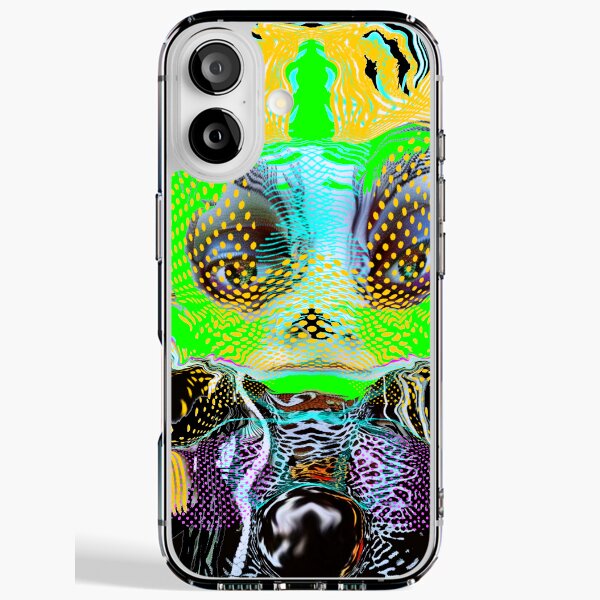
The Algea Coloured Art by iServalan for BOI by Sarnia de la Maré iPhone Soft Case
£25.71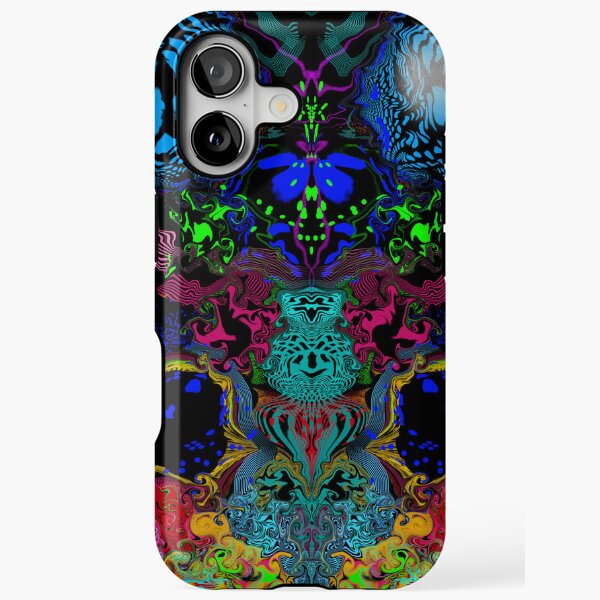
The Fly Queen by iServalan Hyper Moving Liquid Style in Full Colour from BOI by Sarnia de la Maré iPhone Tough Case
£29.83
Crying Rabbit by iServalan for Neuro Books by Tale Teller Club Press iPhone Snap Case
£24.76
Immersion Static – Strata 1 Ep 5 VISIONS (Crime-Zone Analogue Sci-Fi Poster no text) Samsung Galaxy Soft Case
£20.01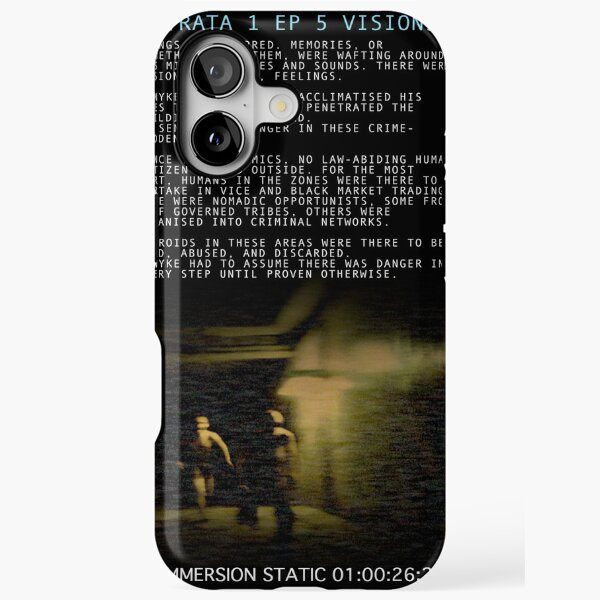
Immersion Static – Strata 1 Ep 5 Visions (Analogue Surveillance Poster with text) iPhone Tough Case
£29.83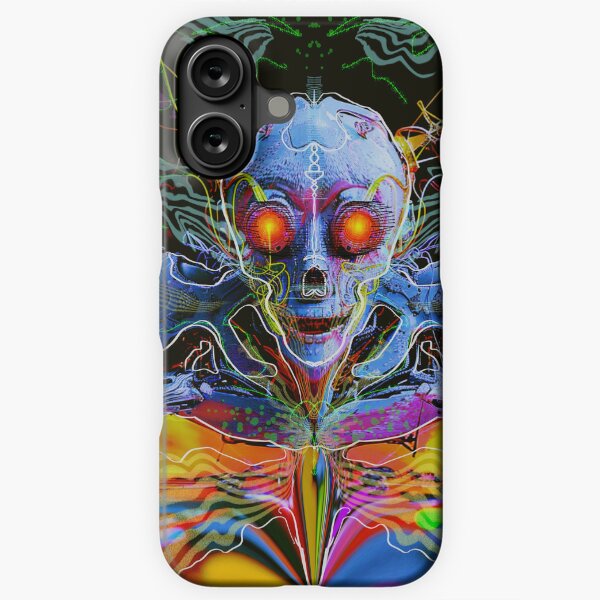
BOI Strata 1 Movie Still by iServalan Renyke is Old iPhone Snap Case
£24.76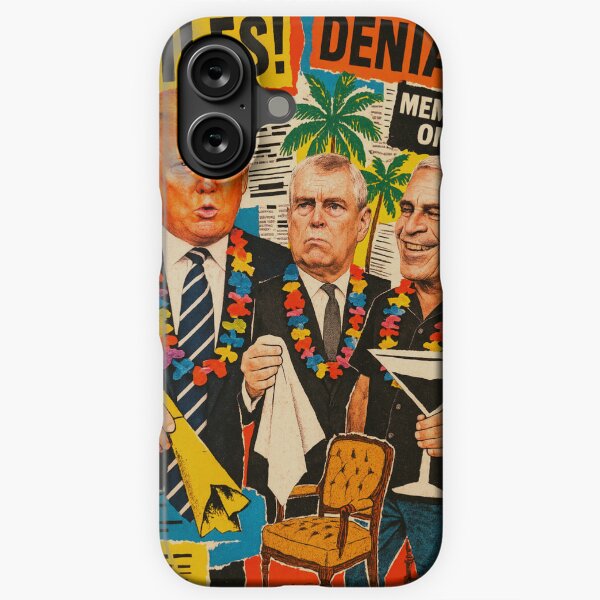
Sketching the News — #3: Trumping Through the Epstein Files iPhone Snap Case
£24.76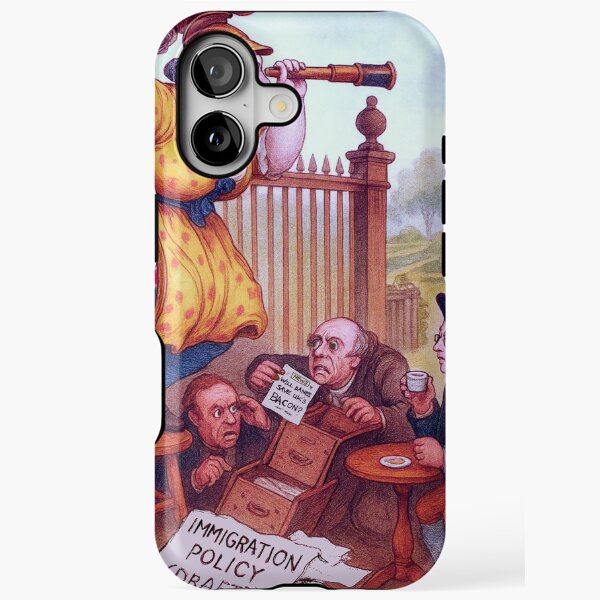
Sketching the News — #2: Britain Copies Denmark Without Reading the Instructions iPhone Tough Case
£29.83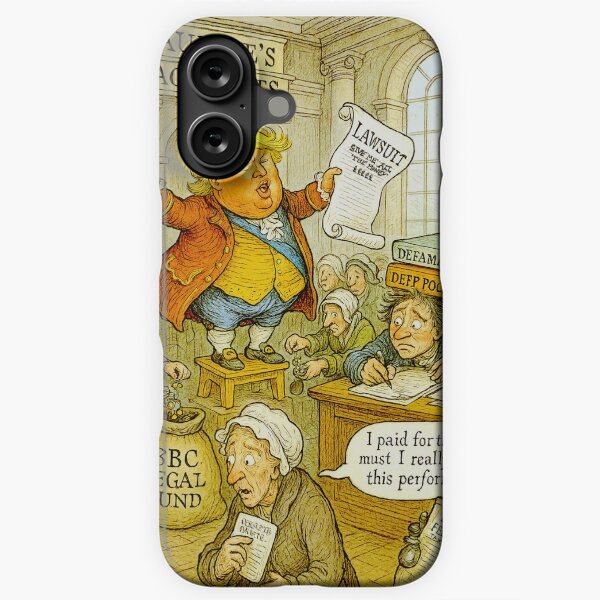
Sketching the News — #1: Trump, the BBC, and the Licence Fee Shake-Down iPhone Snap Case
£24.76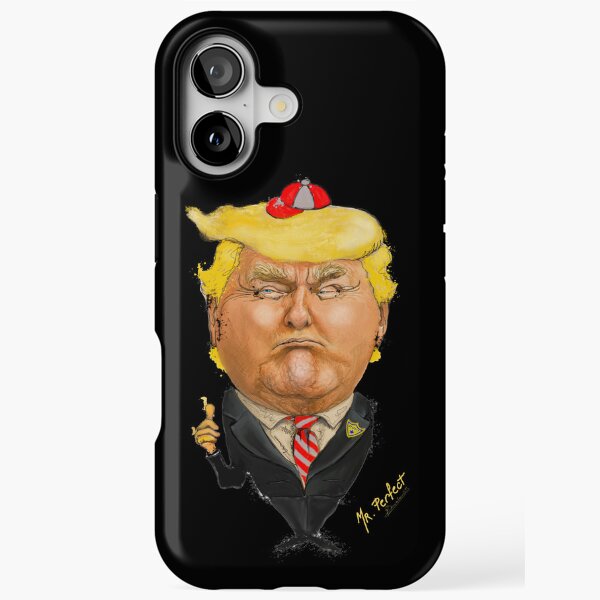
Donald Trump Schoolboy Caricature for Politica UK Cartoons iPhone Tough Case
£29.83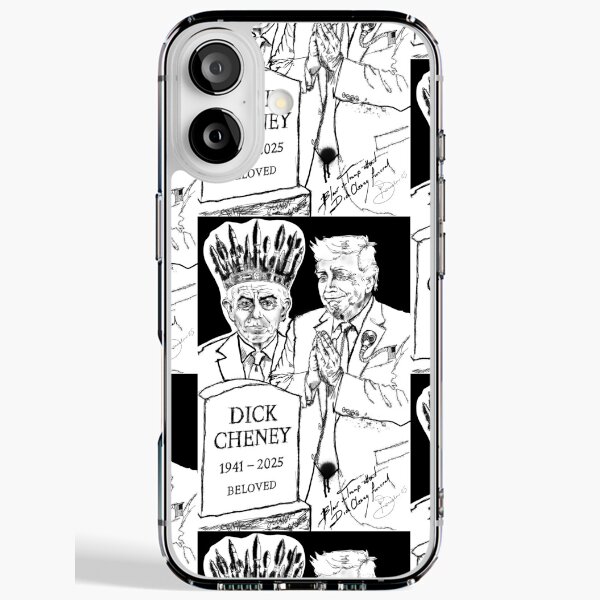
The War Crown: Blair and Trump Attend Cheney’s Funeral (2025) iPhone Soft Case
£25.71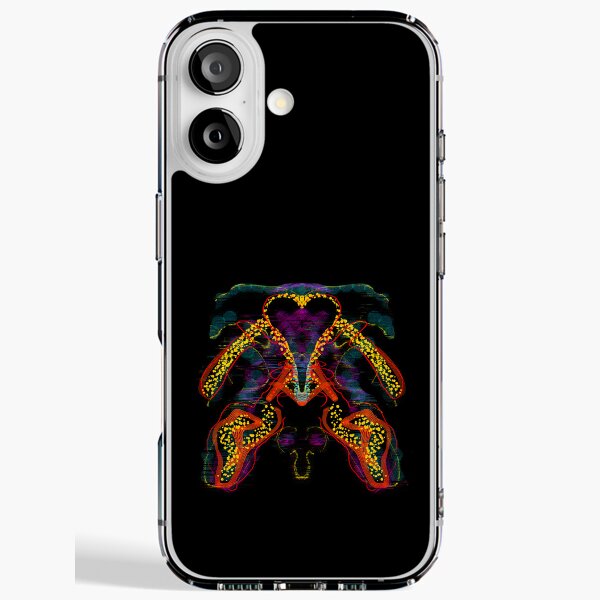
Dog’s Blx no 3 by iServalan DIGITAL AURA Artwork iPhone Soft Case
£25.71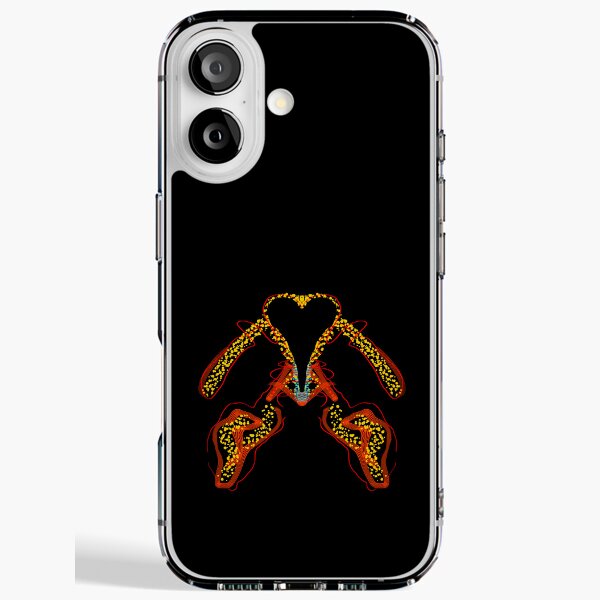
Dog’s Blx no 2 by iServalan AURA Exhibition Art iPhone Soft Case
£25.71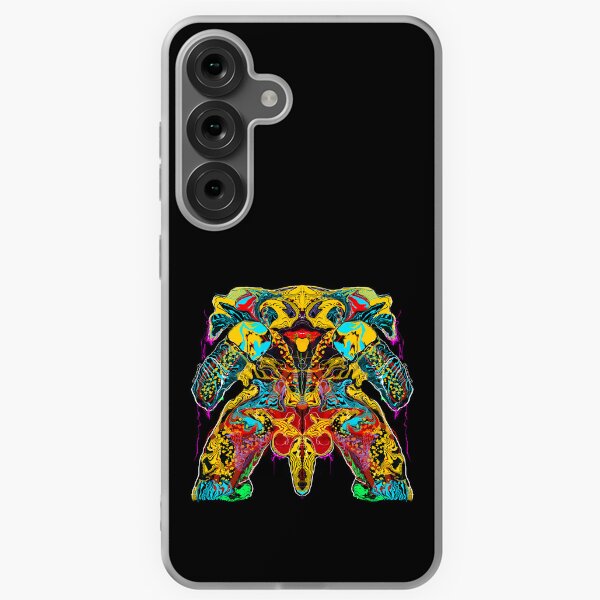
Dog’s Blx no 1 Digital AURA Exhibition Artwork by iServalan Samsung Galaxy Soft Case
£20.01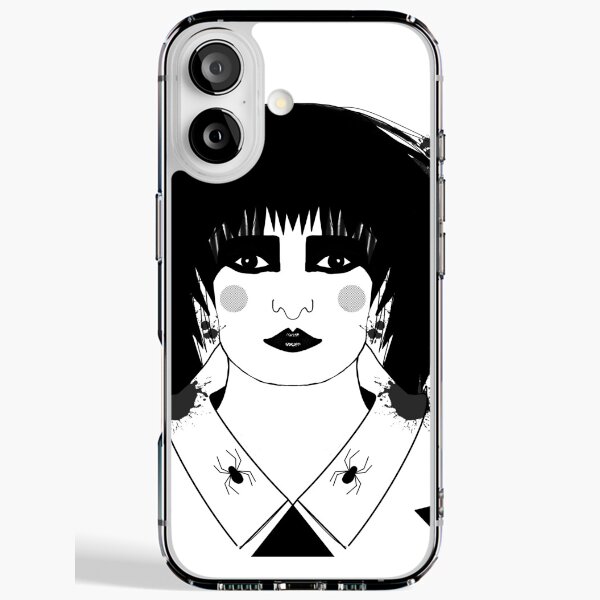
Goth Girl by iServalan for Tale Teller Club Press iPhone Soft Case
£25.71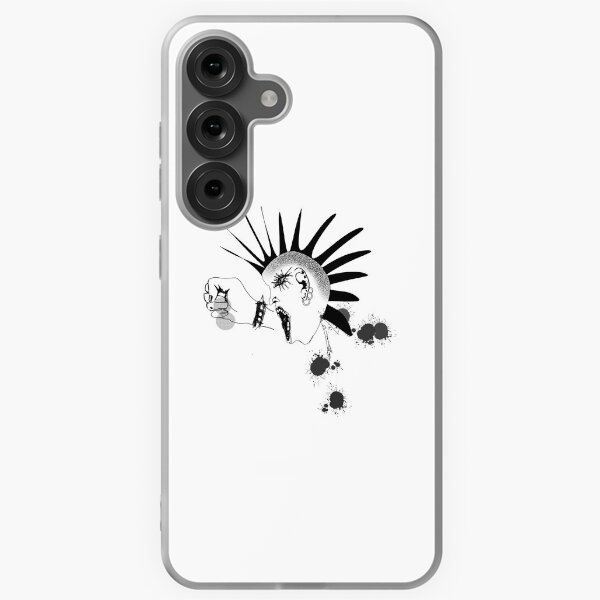
Angry Punk Girl by iServalan for Tale Teller Club Press Samsung Galaxy Soft Case
£20.01