https://www.iservalan.com/2026/08/the-de-la-mare-music-continuum-adaptive.html
Harnessing Gravity: Effortless Power in Bow Technique and Piano Playing
























Gravity is one of the most underused tools in a musician’s kit. Instead of fighting it with muscular force and tension, skilled string players and pianists learn to invite it. The result is freer movement, richer tone, greater dynamic control, and far less fatigue or risk of injury. Whether you’re drawing a bow across a string or dropping weight into a piano key, the principle is the same: let the Earth’s pull do some of the work so your muscles can focus on nuance and expression.
Bow Technique for Violin and ViolaOn the violin and viola the bow sits at changing angles relative to gravity depending on the string. The D string is the purest “gravitational center”—the bow can rest almost vertically. On the E string the force becomes more sideways; on the G it tilts the other way. Good players manage this constantly.The key idea is supported gravity rather than free-fall or rigid pressing. At the frog the arm’s natural weight is readily available; toward the tip leverage decreases and a subtle combination of arm weight plus controlled finger contact (often involving pronation or balanced hand distribution) maintains contact without crushing the string. The goal is even tone from frog to tip and a resonant, layered sound instead of a forced, one-dimensional one.A simple discovery exercise: play open D with a full bow while keeping volume and tone quality constant. Notice how the hand and arm feel balanced. Then move to other strings and adjust the “drop” or support so the sound remains consistent. Avoid locking the shoulder or over-gripping; the bow should feel as if it is sinking into the string with the arm’s weight rather than being pushed by the index finger alone. When crossing strings, use the bow’s own center of gravity and momentum instead of fighting them—think of sailing with the wind rather than against it.CelloCellists contend with a more vertical instrument, so gravity tends to pull the bow toward the bridge. Many players compensate by angling the cello slightly or using endpin adjustments. The pedagogical consensus still favors releasing arm (and body) weight into the string rather than pressing downward with the hand or forearm.Imagine the string as a table: you do not push your arm into the table; you simply let it rest and then pull or push horizontally through the resistance the string offers. “Resting down” at the frog keeps the arm soft; pressing creates unnecessary tension in the biceps, forearm, and fingers. On up-bows, a gradual lowering of the elbow can let gravity assist the return to the frog, similar to a swing returning to its lowest point. Leverage from the larger muscles of the back and shoulder, combined with a flexible wrist and hand that act as shock absorbers, produces a deep, resistant contact that yields a full, singing tone without force.Experiment by alternating pure rest (weight sinking) versus active press on open strings. The difference in both sound and bodily ease is usually immediate.Double BassEverything is scaled up on the bass, so the cost of muscular overuse is higher. Excessive finger or arm pressure quickly dampens the instrument’s natural vibration. Instead, bassists cultivate relaxed weight that originates higher up—shoulder blades, the muscles between them, and the back—then travels through a flexible arm into the bow.A useful off-instrument check: let the arms hang, then move the shoulder blades using only the back muscles while keeping the shoulders low. That same engagement, combined with the arm’s natural weight, supplies more than enough force for a powerful sound while leaving the smaller hand muscles free for articulation and string crossings. Whether using French or German bow, the principle holds: big muscles and gravity for weight, smaller muscles for control. The result is freer string crossings, clearer articulation, and a sound that rings rather than being squeezed.Hand and Body Technique for PianoPianists face an analogous challenge. Finger-only pressing produces thin tone, limited dynamics, and rapid fatigue. The more efficient approach treats the arm (and ultimately the torso) as a source of controllable weight delivered through a flexible wrist and shaped hand.Sit balanced with feet supported, spine lengthened but not rigid, and shoulders free. The arms should hang so you can feel their actual weight. A classic exercise is the gravity drop: place the hand a short distance above a chord or single note, relax completely, and let gravity lower the arm. At the moment of contact the fingers and wrist “set” just enough to transmit the weight into the key bed; immediately afterward release excess tension so the arm rests lightly. The same height of drop produces roughly the same loudness regardless of the player’s size—proof that gravity, not muscle bulk, is doing the primary work.For louder dynamics or sustained power, transfer additional weight from the torso and lower body through the arm while keeping the fingers responsive rather than rigid. The wrist functions as a shock absorber and the hand as a transmitter. After the key is depressed, release so the next motion begins from freedom rather than residual tension. This whole-body coordination yields a deeper, more singing tone and makes long passages far less tiring.Putting It TogetherAcross all these instruments the shared discipline is the same:
- Feel the actual weight of the arm/body rather than inventing force.
- Use larger muscle groups and skeletal support so smaller ones stay free.
- Match the amount of weight (and its direction) to the musical need—heavy and deep for intensity, suspended and light for transparency.
- Constantly listen and adjust; the ear is the final judge of whether the contact is free or forced.
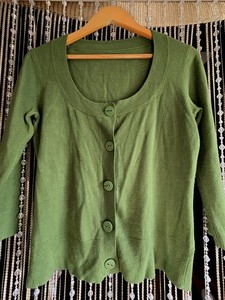
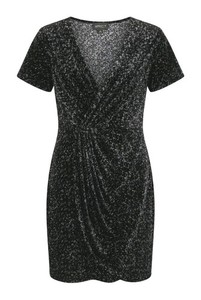
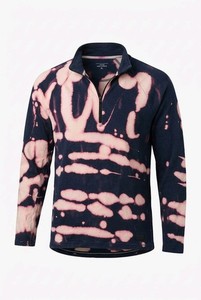
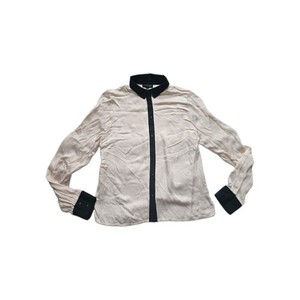
Below you will find my eBay store items as I save to fund my course at West Dean College learning to make string instruments.
£10.80
£8.66
£6.52
£12.94
£7.59
£9.73
£10.82
£8.66
£11.87
£8.66
£10.80
£5.45
£10.80
£6.52
£6.52
£7.59
£6.52
£8.66
£9.73
£7.59
£7.59
£6.52
£10.80
£10.80
£6.52
£10.80
£7.59
£8.66
£7.59
£9.73
£9.73
£7.59
£12.94
£5.45
£6.52
£10.80
£6.52
£9.73
£8.66
£12.94
£8.66
£23.58
£6.52
£7.59
£9.73
£8.66
£7.59
£8.30
£9.73
£10.80
£7.59
£5.45
£6.52
£1.16
£12.94
£9.73
£8.66
£7.59
£8.66
£7.59
£10.80
£9.73
£9.73
£9.73
£8.66
£8.66
£6.52
£12.94
£9.73
£5.45
£11.87
£8.66