This article is part of the Digital Conservatoire series
The Instruments & the People Who Find Them
(Explore the full series → https://iservalan.gumroad.com/p/the-instruments-the-people-who-find-them)
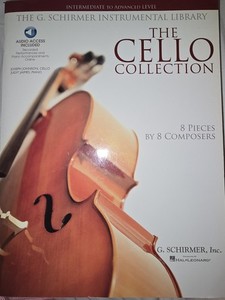
The cello speaks directly to the human voice, and it suits personalities who experience emotion deeply while remaining contained. Cellists are often capable of holding weight without collapse — emotional, musical, or social. Their depth is not dramatic; it is grounded.
There is an embodied intelligence to the cello temperament. Connection happens through presence rather than explanation. Cellists tend to listen fully and respond from the body as much as the mind. Within ensembles, they frequently act as emotional anchors, stabilising both tempo and atmosphere.
The cello invites patience. Its most powerful moments often emerge slowly, requiring trust in duration and resonance. This appeals to those who value longevity over immediacy, and meaning over surface brilliance.
Physically, the cello requires rootedness. The relationship with the floor, breath, and torso is fundamental. The instrument is embraced rather than controlled, and phrasing often follows breath patterns more than mechanical ones. Movement is expansive yet calm — expressive without excess.
The body and instrument form a vertical conversation: grounded below, singing above.
Energetically, if the violin is spark, the cello is voice.
It articulates what others sense but cannot say.
A final reflection:
Many cellists arrive after searching. When they do, the experience often feels less like a decision and more like recognition.
Never forget, the cello demands strength as it is carried to orchestras and events. the body opens to accomodate it and is not for the shy. A cello says 'look at me, I am one with my instrument and I will be heard'. And yet the cello can also sing like a bird, gentle, undulating, persuasive, inviting. Of all the instruments in the orchestra, it is the cello that can lift, and it is the cello that can be your downfall.
Continue the series: