Music School

Focusing on Scales and Chords for Piano and Strings
Wednesday, January 14, 2026
Sunday, January 11, 2026
Why Musical Instrument Strings Wear Out — and How to Make Them Last Longer
The De la Maré Music Continuum | Adaptive, Pressure-Free Music Learning Framework
Why Strings Wear Out — and How to Make Them Last Longer
Every string player reaches the same quiet moment:
the instrument is still in tune, technique feels fine — but the sound has lost its sparkle.
The string hasn’t broken. It’s simply worn out.
Strings don’t fail suddenly. They deteriorate slowly, for very practical reasons.
1. Constant Tension and Metal Fatigue
All string instruments rely on metal strings held under continuous high tension. From the moment a string is fitted, it begins ageing.
Over time:
-
The metal core stretches microscopically
-
Elasticity decreases
-
The string vibrates less freely
This is normal wear, not a fault — even in the most expensive strings.
2. Vibration and Playing Wear
Every note flexes the string thousands of times. This repeated movement causes metal fatigue, especially in the core.
As this builds up:
-
Overtones disappear first
-
The sound becomes dull or flat
-
Response feels slower and less reliable
A string can look fine but already be past its best.
3. Rosin Buildup and Surface Damage
Rosin allows the bow to grip the string, but it is mildly abrasive.
With time:
-
Rosin embeds in the winding
-
The surface becomes clogged
-
Bow contact becomes uneven
This leads to scratchy attacks, poor articulation, and a sense that the sound won’t settle.
4. Sweat, Oils, and Corrosion
Human skin introduces moisture, oils, and salts.
These cause:
-
Corrosion in the winding
-
Damage in high-use fingered areas
-
Faster deterioration on upper strings
Some players naturally wear strings faster due to hand chemistry alone.
5. Wear at Contact Points
Strings suffer most where they bend and rub:
-
At the nut
-
Over the bridge
-
Against the fingerboard
Dry, sharp, or poorly cut grooves increase friction and shorten string life significantly.
How to Make Strings Last Longer While Playing
-
Wipe strings gently with a dry cloth after every session
-
Use only as much rosin as necessary
-
Avoid heavy pressure when tired
-
Let bow speed do the work rather than force
Clean, efficient playing is kinder to strings.
How to Protect Strings When Not Playing
-
Store instruments in stable humidity (around 40–55%)
-
Avoid heat, radiators, and car storage
-
Keep the instrument in its case
-
Ensure nut and bridge grooves are smooth and well-cut
Poor storage conditions damage strings just as much as playing.
When a String Is Finished
A worn-out string may:
-
Sound dull even when in tune
-
Refuse to ring openly
-
Lose dynamic range
-
Feel unresponsive under the bow
At that point, replacement isn’t indulgence — it’s maintenance.
In Closing
Strings are consumable parts.
They trade tension for sound, and eventually the material gives up.
Caring for them properly doesn’t stop wear —
but it does slow it down, protect your instrument,
and make the most of every set you fit.
Do gut strings last longer than synthetic or steel?
✅ They can last longer in terms of playing life
-
High-quality gut (e.g. unwound plain gut or well-made wound gut) often loses tone very gradually, rather than “dying suddenly” like many synthetics.
-
Many players report gut strings staying musically usable for months to over a year.
❌ They are less durable physically
-
Gut is organic → sensitive to:
-
humidity
-
sweat (especially acidic sweat)
-
temperature changes
-
-
They are more prone to:
-
fraying
-
stretching
-
snapping if mistreated
-
So:
They last longer tonally, but shorter mechanically if abused.
Compared directly
| String type | Tonal life | Physical durability | Stability |
|---|---|---|---|
| Gut | ⭐⭐⭐⭐ long, gradual fade | ⭐⭐ delicate | ⭐ slow to settle |
| Synthetic core | ⭐⭐⭐ medium | ⭐⭐⭐⭐ good | ⭐⭐⭐ stable |
| Steel | ⭐⭐ short (goes dead fast) | ⭐⭐⭐⭐⭐ very durable | ⭐⭐⭐⭐⭐ very stable |
What really determines gut string longevity
-
Climate control
Stable humidity = long life. Damp workshops kill gut quickly. -
Player technique
Heavy left-hand pressure + aggressive bowing = shorter life. -
Wound vs plain gut
-
Plain gut (A/D on baroque setups) often lasts longest
-
Wound gut (especially silver-wound) wears faster
-
-
Cleaning habits
-
Wipe after every session
-
Never leave sweat on them
-
From a luthier’s perspective
-
Gut strings age gracefully → excellent for studying long-term tonal behaviour
-
They reveal:
-
nut groove problems
-
bridge sharpness
-
poor afterlength setup
much faster than steel
-
-
This makes them excellent diagnostic strings for setup work
Many makers actually prefer gut during setup testing for this reason.
Bottom line
-
Do gut strings last longer?
✔️ Yes, musically
❌ No, physically
They reward care and punish neglect — very much like fine instruments themselves.
🎻 1) Tone & Sound Quality
| Feature | Gut | Steel/Core (Steel or Synthetic Core) |
|---|---|---|
| Tonal warmth | 🟡 Very warm, rich, complex, overtones | 🔵 Brighter, more focused, “direct” |
| Dynamic nuance | 🟡 Excellent — expressive subtleties | 🔵 Good — consistent but less nuanced |
| Overtone complexity | 🟡 High | 🔵 Moderate to low |
| Projection | 🟡 Smooth, not piercing | 🔵 Strong, immediate |
Summary: Gut wins for warm, rich, layered sound. Steel wins when clarity and direct projection are priorities.
🪕 2) Responsiveness & Playability
| Feature | Gut | Steel/Core |
|---|---|---|
| Initial response | 🔵 Softer entry, takes focus | 🟡 Immediate, sharp response |
| Touch sensitivity | 🟡 Very sensitive to bow speed/pressure | 🔵 Less expressive nuance |
| Articulation | 🟡 Flexible — good for phrasing | 🔵 Crisp — good for separation |
Summary: Steel feels more “ready,” while gut rewards refined technique.
🛠️ 3) Tuning & Stability
| Feature | Gut | Steel/Core |
|---|---|---|
| Tuning stability | 🔴 Poor → long stretch period, influenced by humidity/temp | 🟡 Excellent → stable over time |
| Time to settle | 🔴 Days → weeks | 🟡 Minutes → hours |
| Humidity sensitivity | 🔴 High | 🟡 Low |
Summary: Steel/types win hands-down for tuning stability.
💪 4) Durability & Lifespan
| Feature | Gut | Steel/Core |
|---|---|---|
| Break risk | 🔴 Higher | 🟡 Lower |
| Wear from playing | 🔴 Sensitive to bow/sweat | 🟡 More robust |
| Lifespan (tonal life) | 🟡 Gradual tonal decay | 🔵 Can go “dead” fairly quickly |
| Environmental durability | 🔴 Poor in humidity/swings | 🟡 Excellent |
Summary: Steel is tougher overall; gut ages gracefully but breaks more easily.
🎼 5) Feel Under Finger & Bow
| Feature | Gut | Steel/Core |
|---|---|---|
| Under finger | 🟡 Softer, slightly elastic | 🟡 Firmer, precise |
| Bow grip (contact feel) | 🟡 Slightly textured | 🔵 Very direct |
| String density (vibe) | 🟡 Pliable | 🔵 Springier |
Summary: Gut feels softer and more organic; steel feels more stable and precise.
🎻 6) Setup & Technique Implications
Gut strings require:
-
Accurate bridge shape to avoid buzzing or choking
-
A nut cut that accommodates wider initial string stretch
-
Controlled bow speed and pressure for best tone
-
Regular wiping to prevent build-up and corrosion
Steel/Core strings benefit from:
-
Standard set-up in most modern instruments
-
Minimal changes to nut or bridge
-
Players who value reliability over nuance
🎯 7) Best Uses by Instrument
🎻 Violin & Viola
-
Gut: Baroque, early music, expressive solo, chamber music
-
Steel/Core: Orchestral, folk, fiddling, studio work
🎼 Cello
-
Gut: Baroque, romantic repertoire, period practice, warmth-oriented playing
-
Steel/Core: Modern orchestral, solo competition, ensemble balance
🎸 Double Bass
-
Gut: Baroque/early music, jazz upright with fat core
-
Steel/Core: Most jazz, rockabilly, orchestral bass
📊 Quick Comparison Snapshot
| Trait | Gut | Steel/Core |
|---|---|---|
| Warmth | ⭐⭐⭐⭐ | ⭐⭐ |
| Projection | ⭐⭐ | ⭐⭐⭐ |
| Expression control | ⭐⭐⭐⭐ | ⭐⭐ |
| Stability | ⭐ | ⭐⭐⭐⭐ |
| Durability | ⭐ | ⭐⭐⭐ |
| Setup friendliness | ⭐ | ⭐⭐⭐ |
📌 Practical Player Takeaways
✔ Choose gut if:
-
You want expressive warmth
-
You’re comfortable with climate sensitivity
-
You play early/romantic repertoire
✔ Choose steel/core if:
-
You need reliable tuning
-
You play in ensemble/orchestral settings
-
You prefer immediate, stable response
Wednesday, January 7, 2026
The Continuum Music Framework™ Manifesto A Pedagogical Framework for Musical Learning by Sarnia de la Maré FRSA
The Continuum Framework™ — A Manifesto
The Continuum Framework™ is a non-linear approach to musical learning that understands sound not as a series of achievements to be climbed, but as a field to be entered, explored, and returned to across a lifetime. Rather than separating technique, theory, improvisation, composition, and listening into hierarchical stages, the Continuum recognises them as interdependent behaviours that emerge at different intensities depending on context, nervous system, age, and intention. Musical development is not a ladder of progress, but a living relationship with sound.
At its core, the Continuum privileges resonance over correctness, agency over compliance, and time over urgency. It rejects the idea of “beginner” and “advanced” music as fixed categories, acknowledging instead that the same material can serve radically different depths of experience. An open string, a single gesture, or a sustained field of sound can hold as much musical truth for a professional as for a child encountering music for the first time. Learning stabilises when safety replaces pressure, listening precedes performance, and curiosity is allowed to lead.
The Continuum Framework is not a method to be completed but an architecture of rooms — spaces that invite entry, return, and deepening. These rooms accommodate multiple pathways: early learners, returning adults, neurodivergent musicians, and advanced practitioners all inhabit the same musical terrain in different ways. In this way, the Continuum does not train musicians toward an endpoint; it supports musical life itself — cyclical, adaptive, and unfinished.





The Continuum Music Framework by Sarnia de la Maré FRSA, Foundation Books in the Series

Follow the author

Monday, January 5, 2026
Reading Density: A New Kind of Score | iServalan | Continuum Approach
Buy the eBook here https://gum.new/gum/cmk471y2q001h04l2cgqt56ju
Reading Density: A New Kind of Score
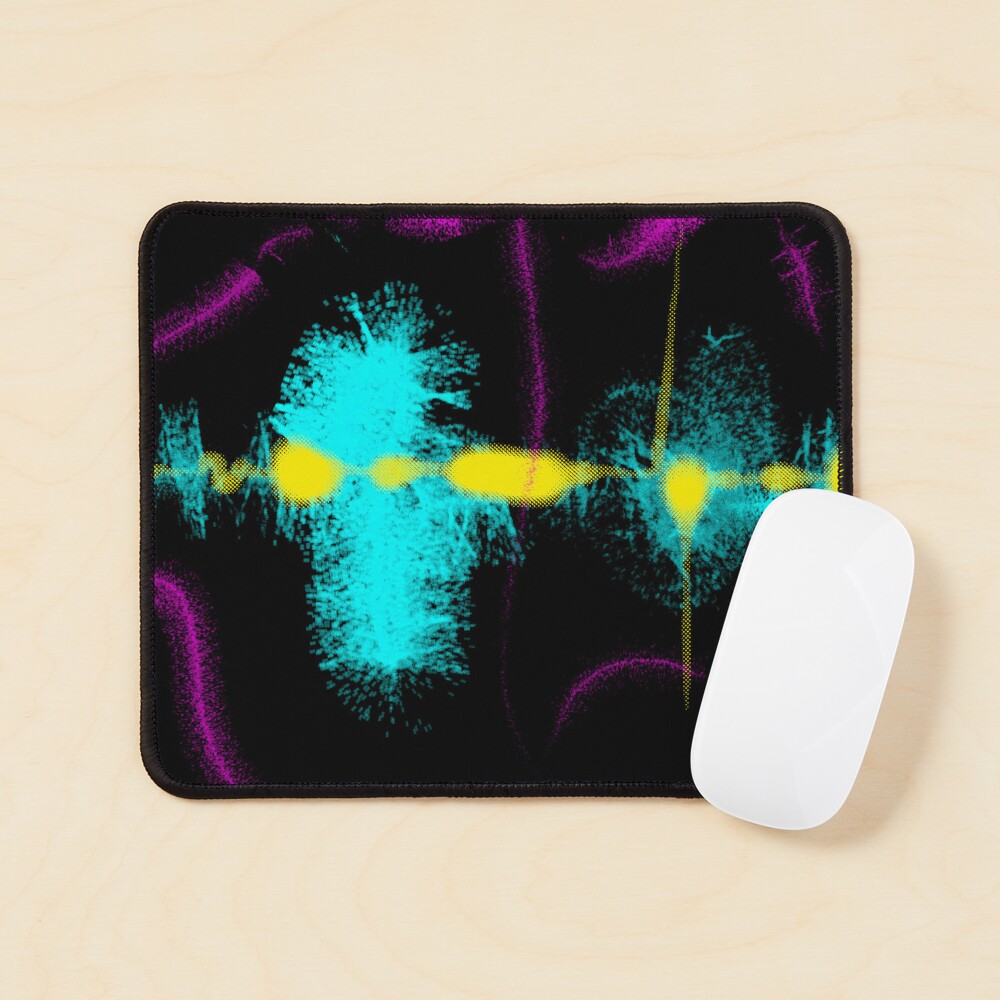
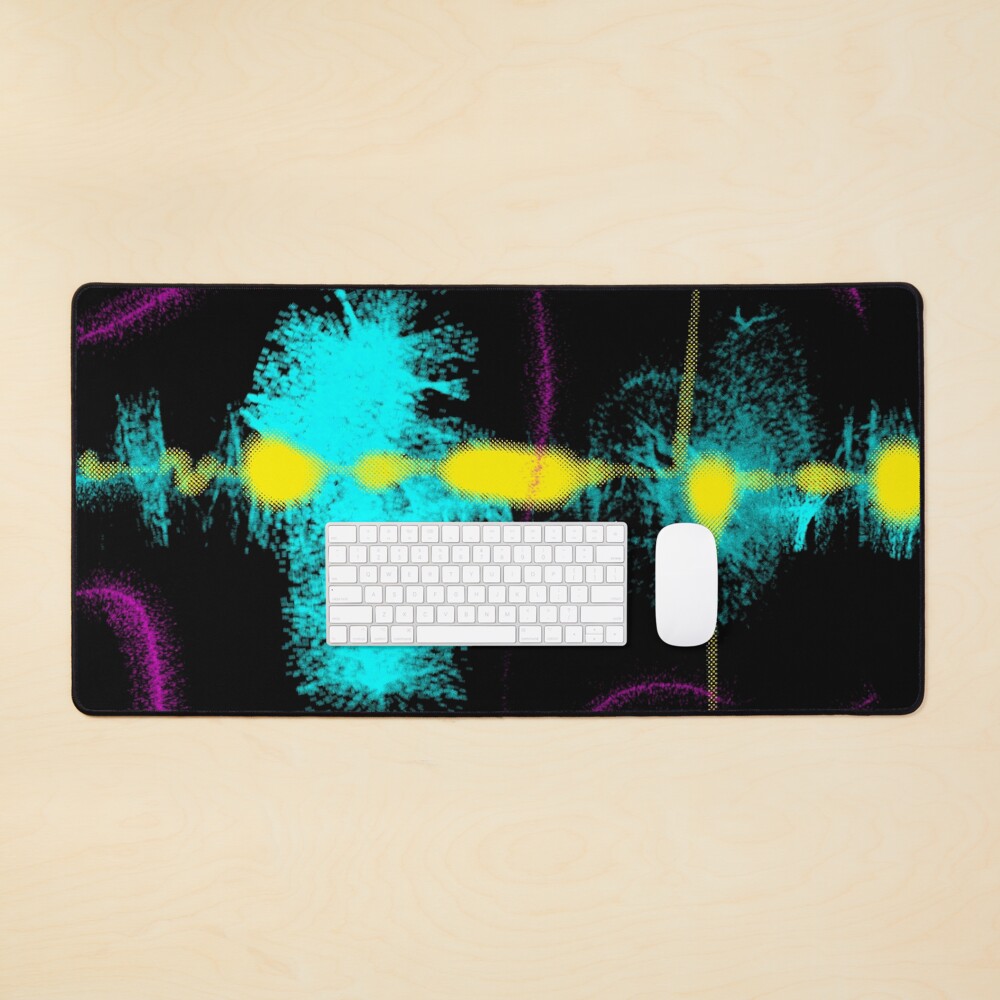
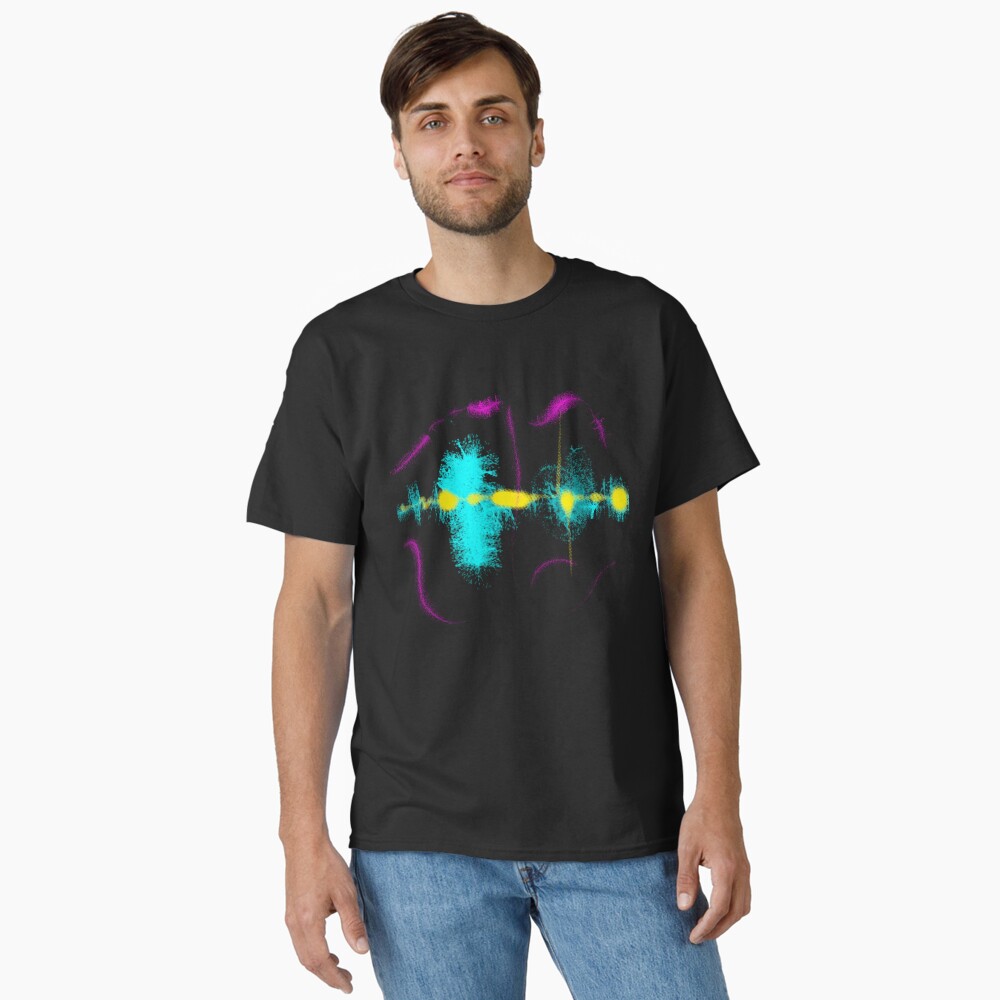
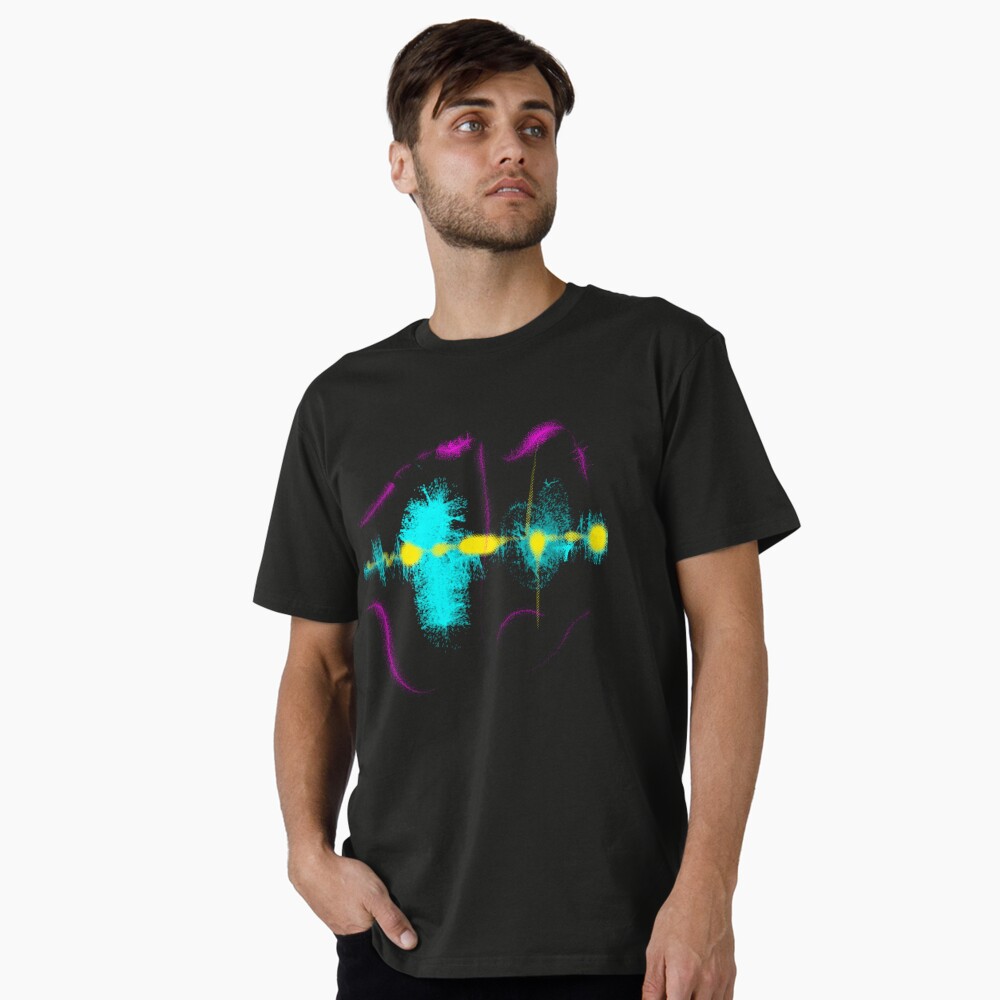
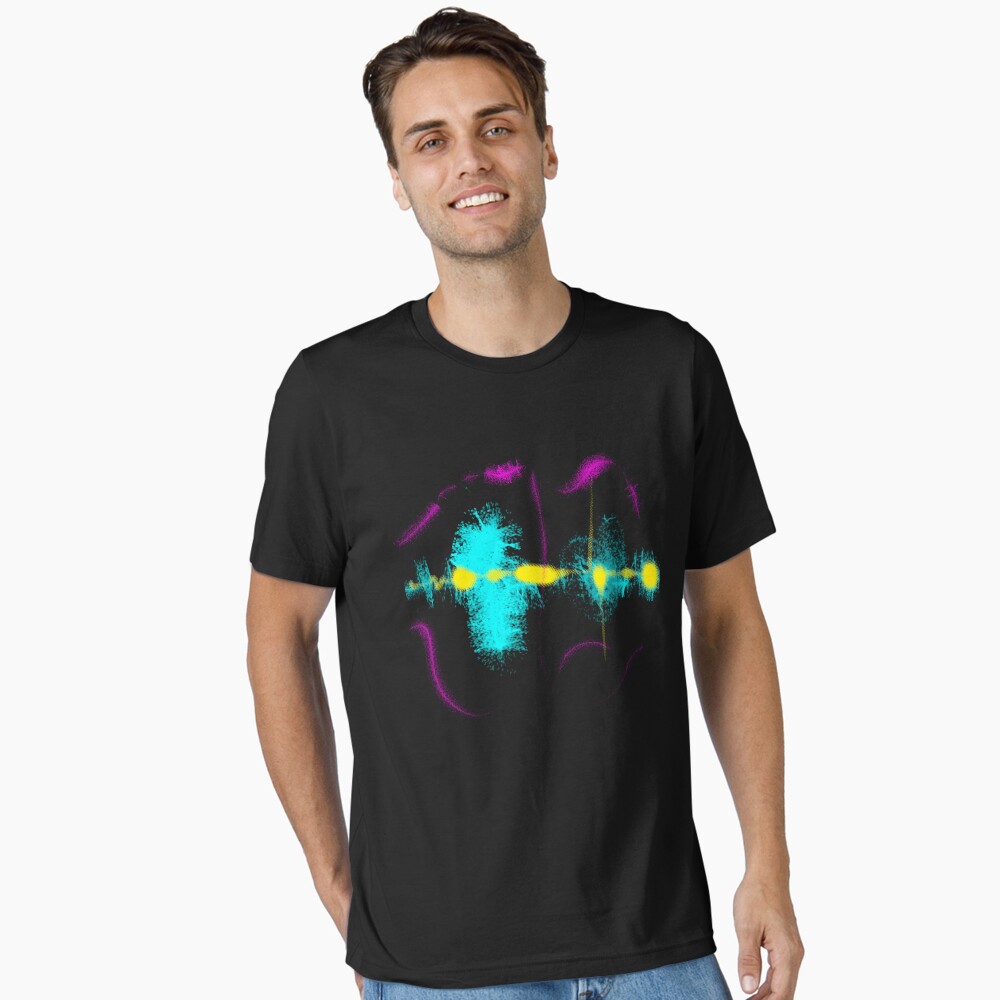
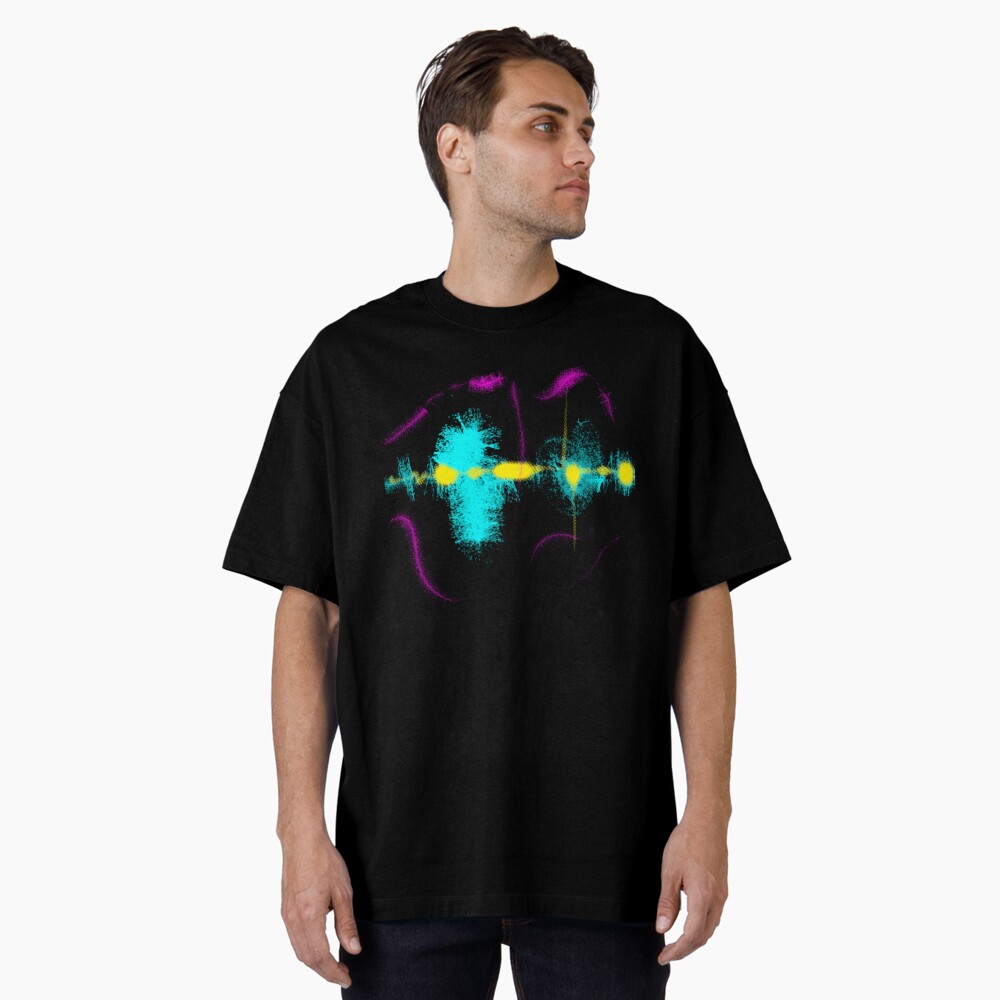
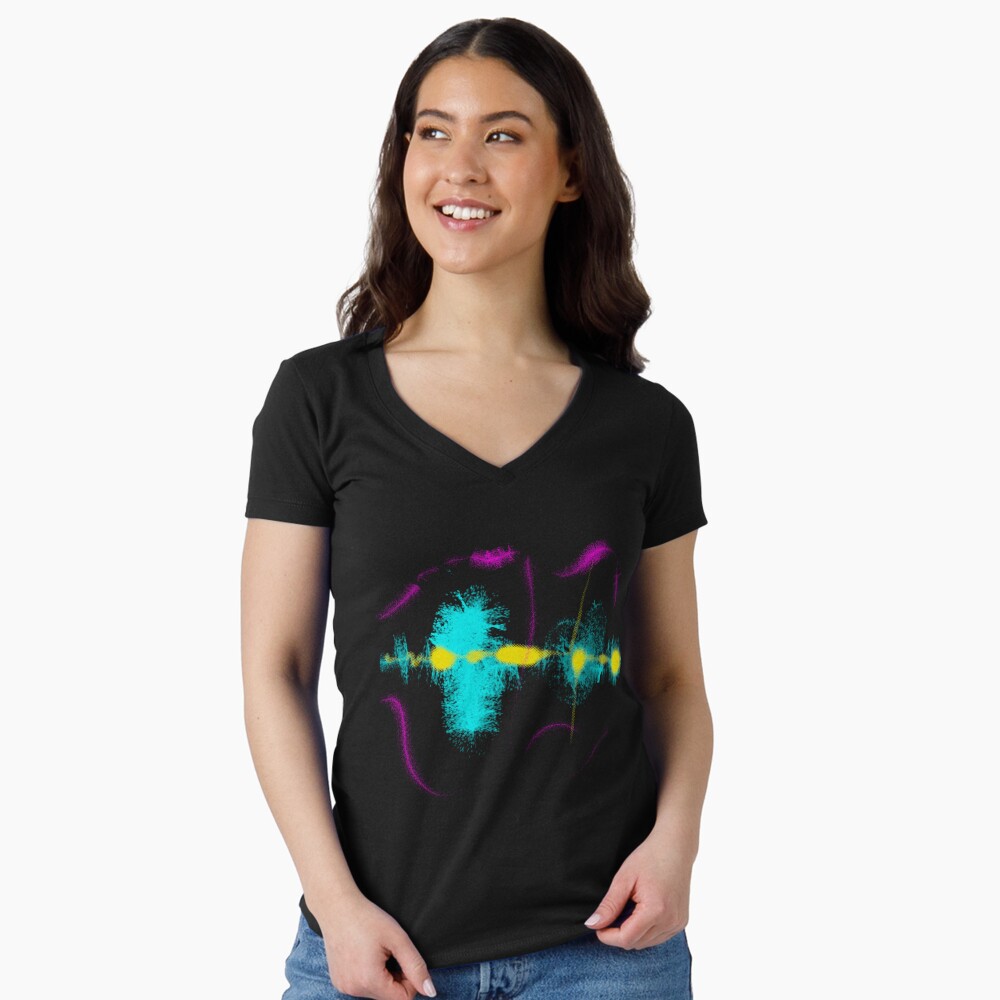
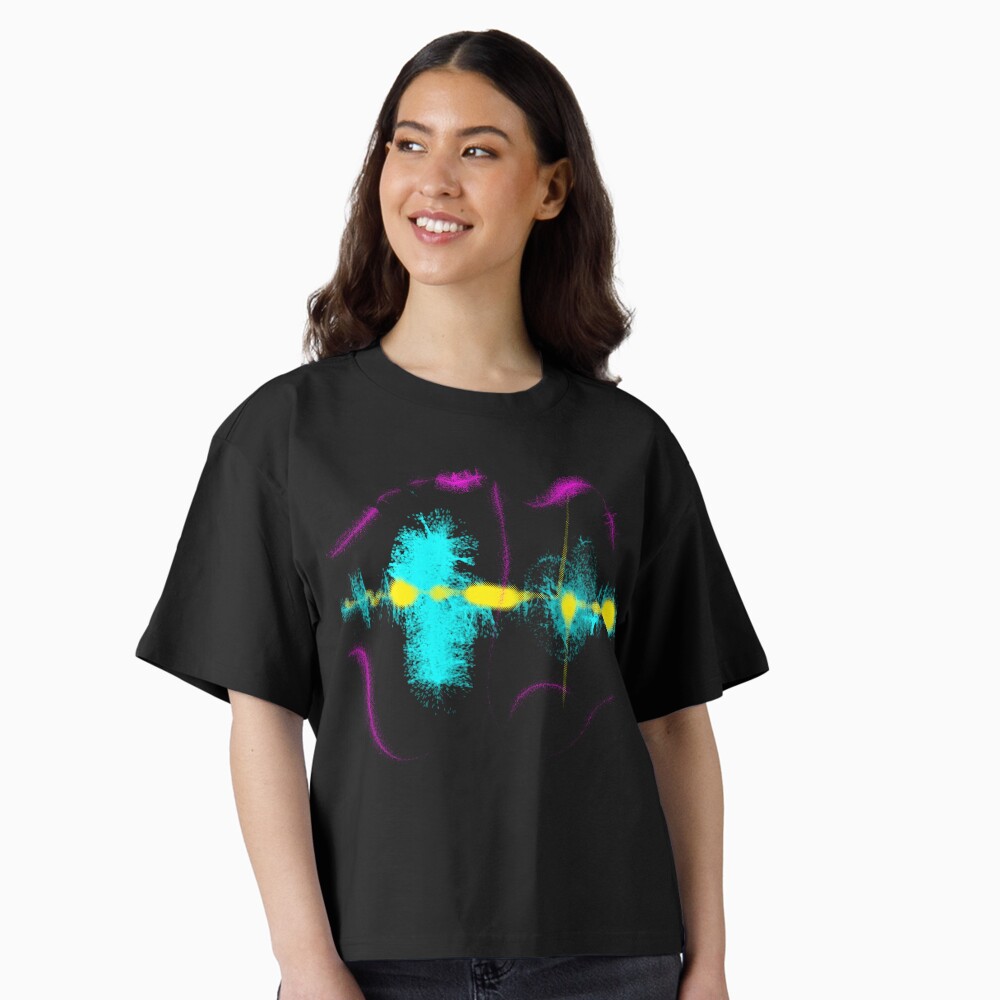
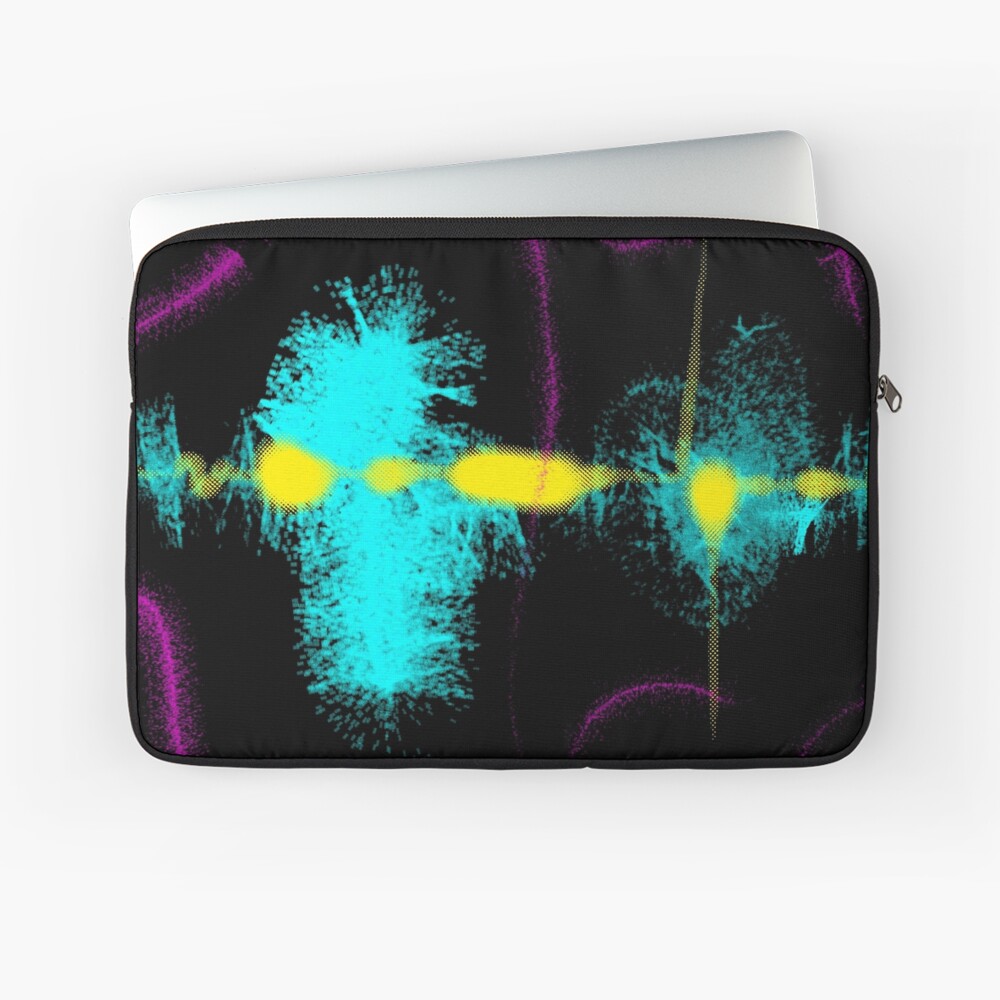
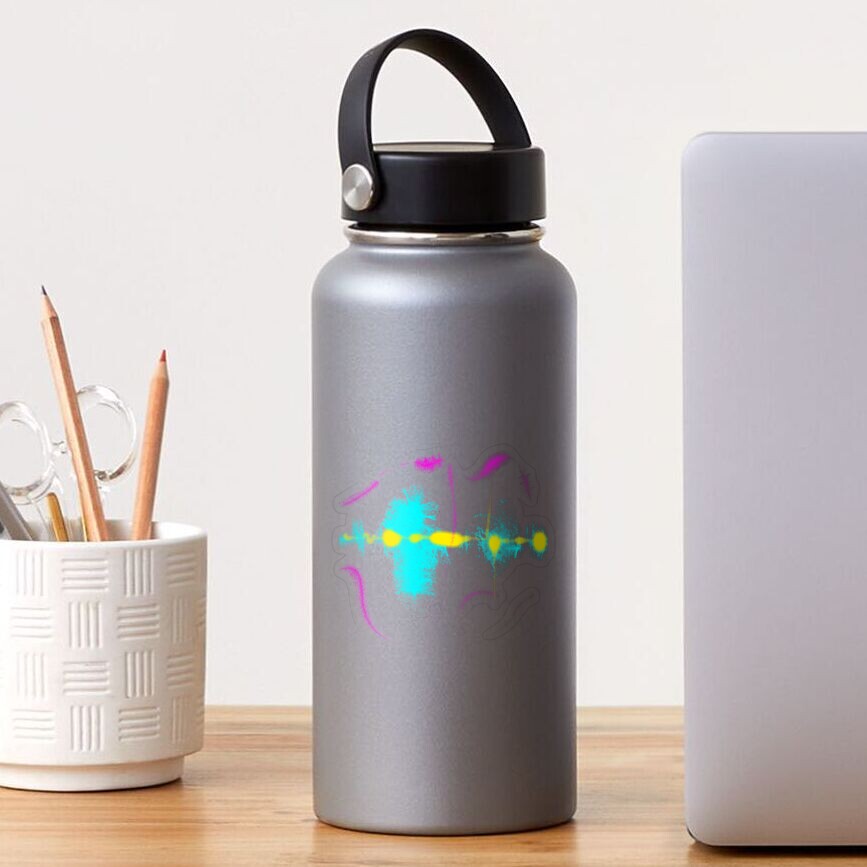
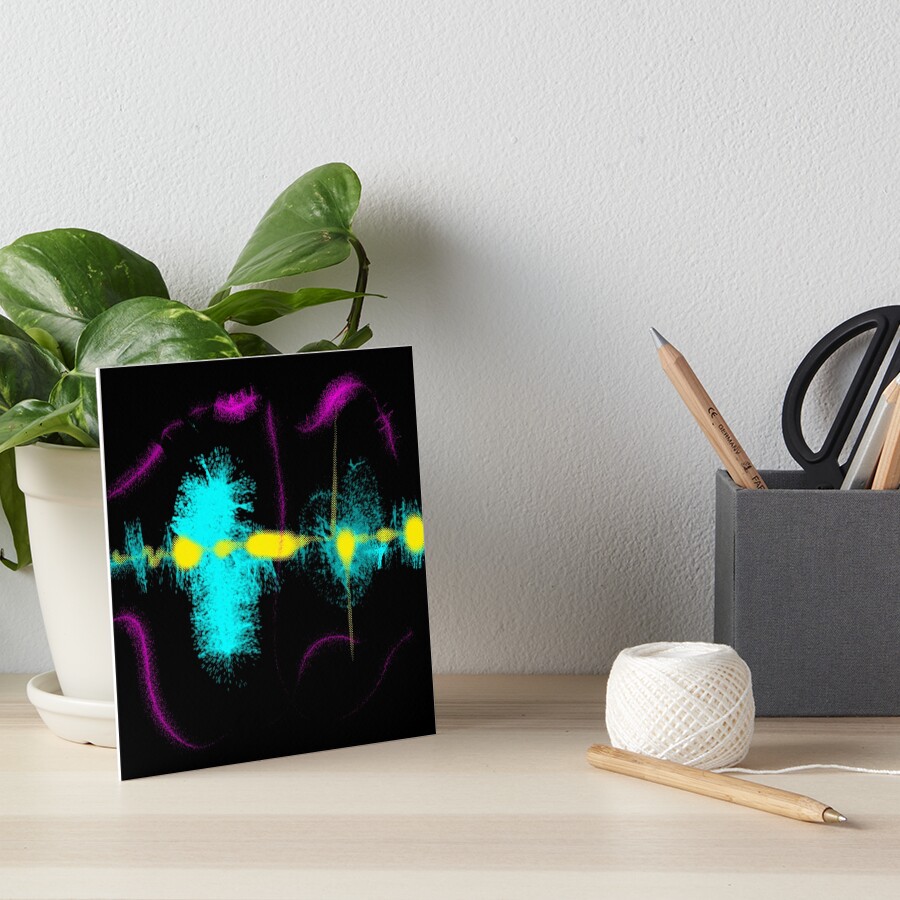
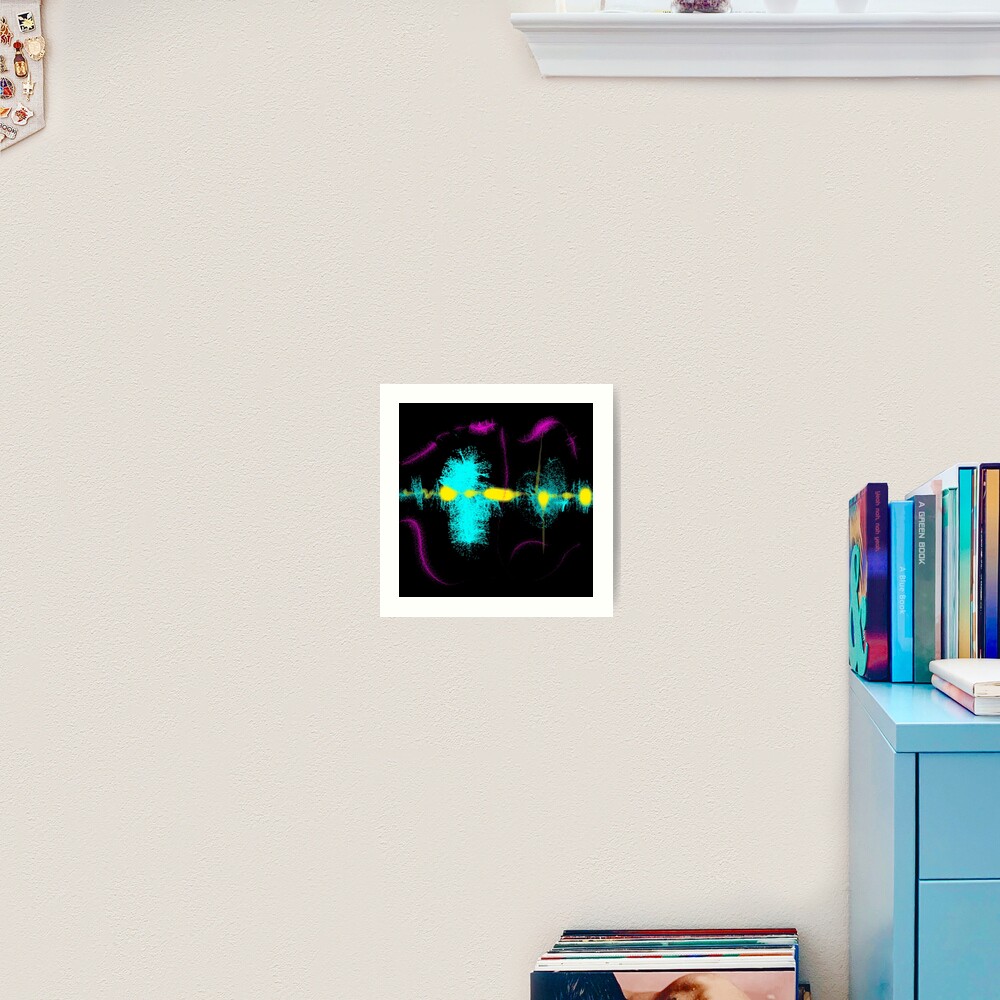
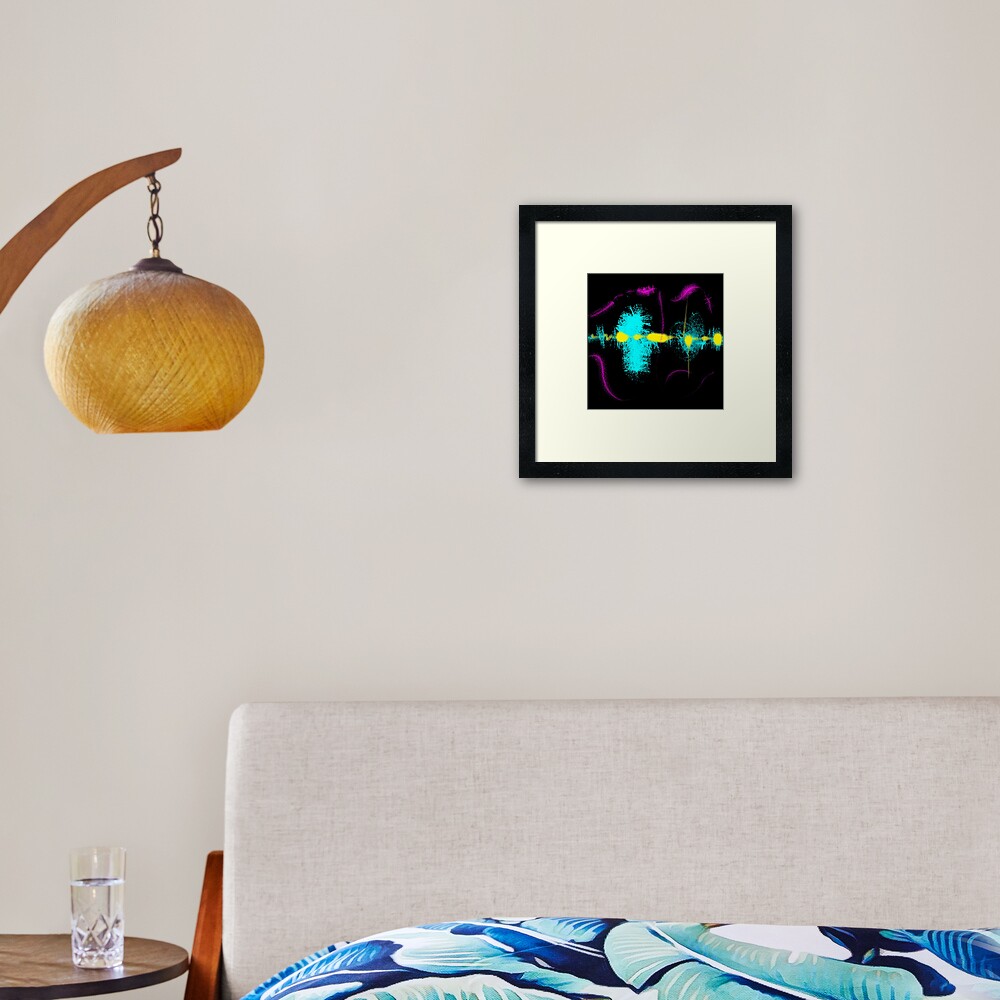
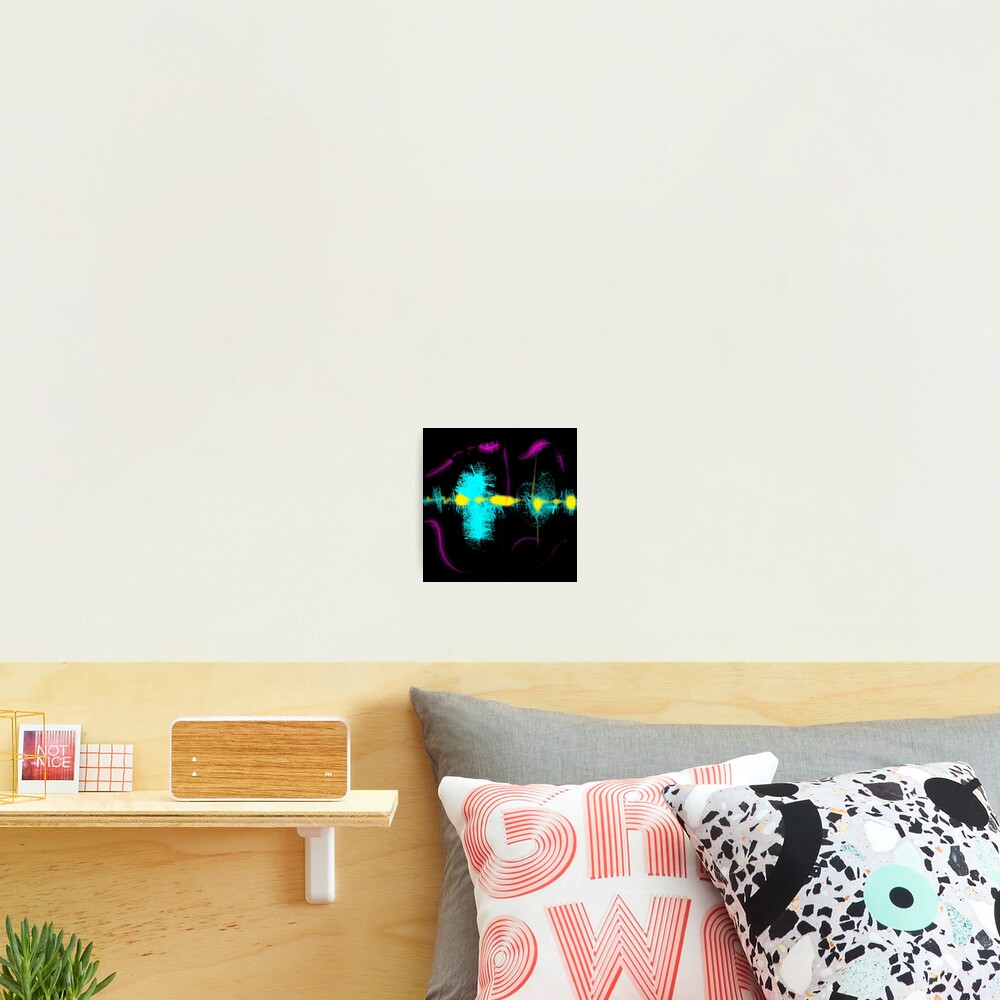
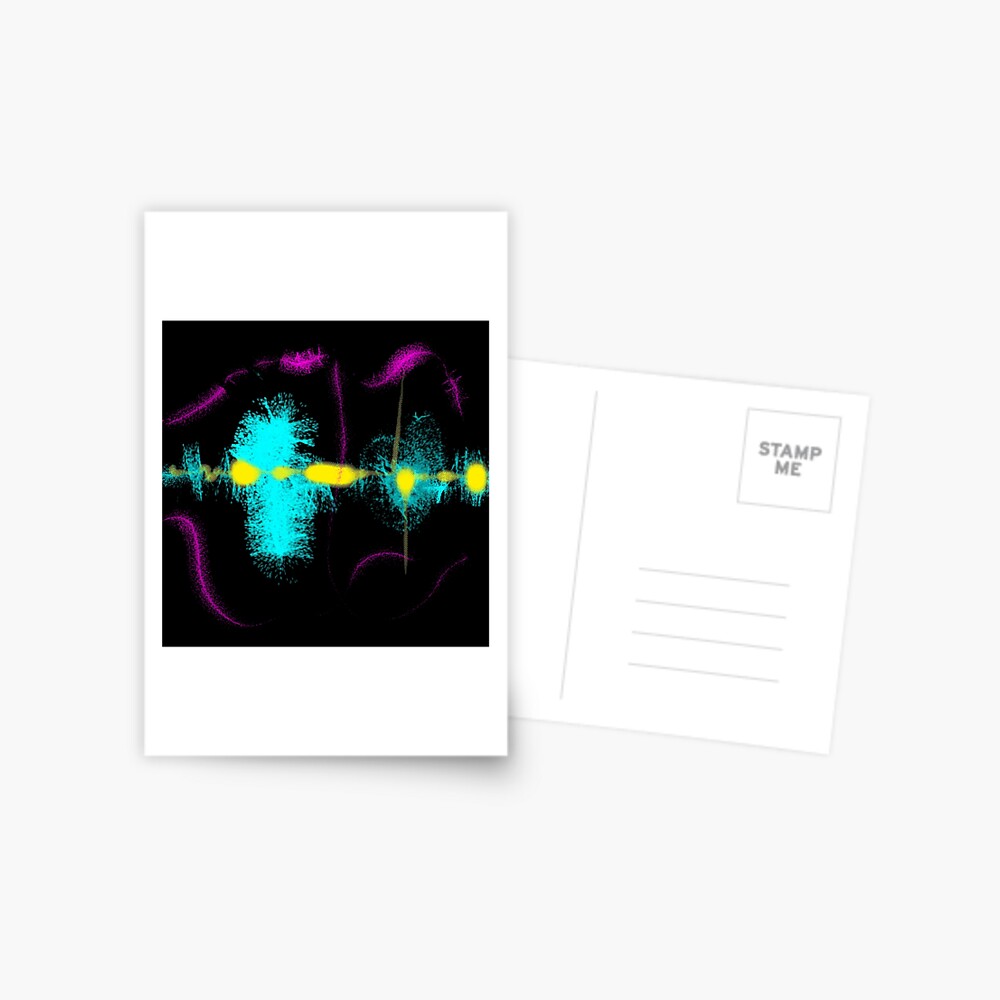
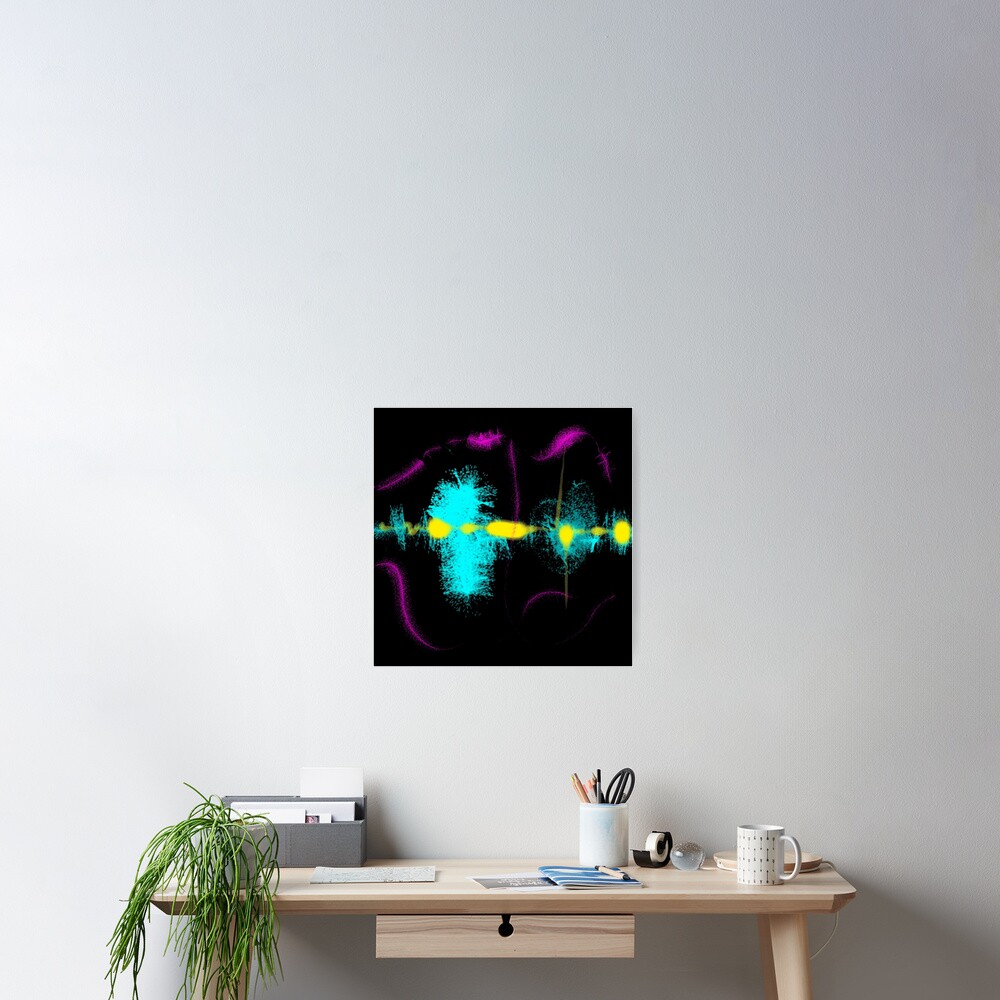
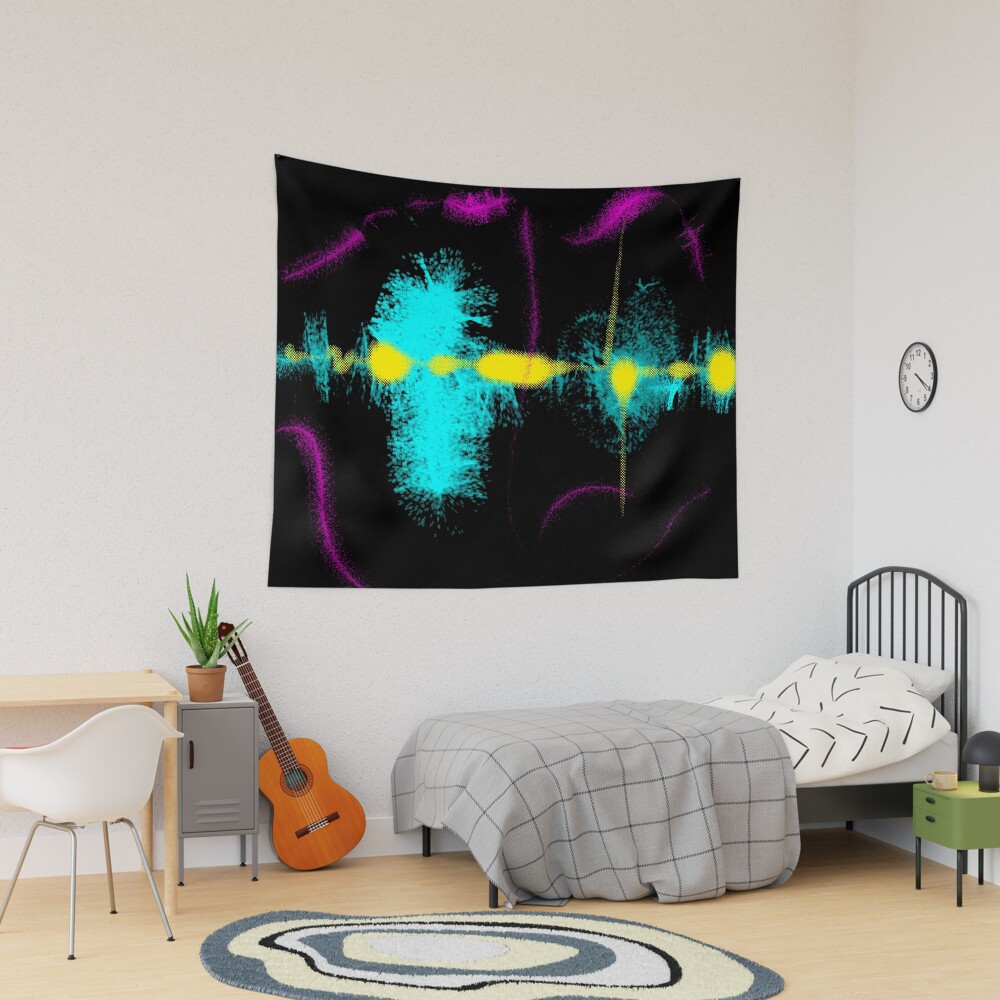
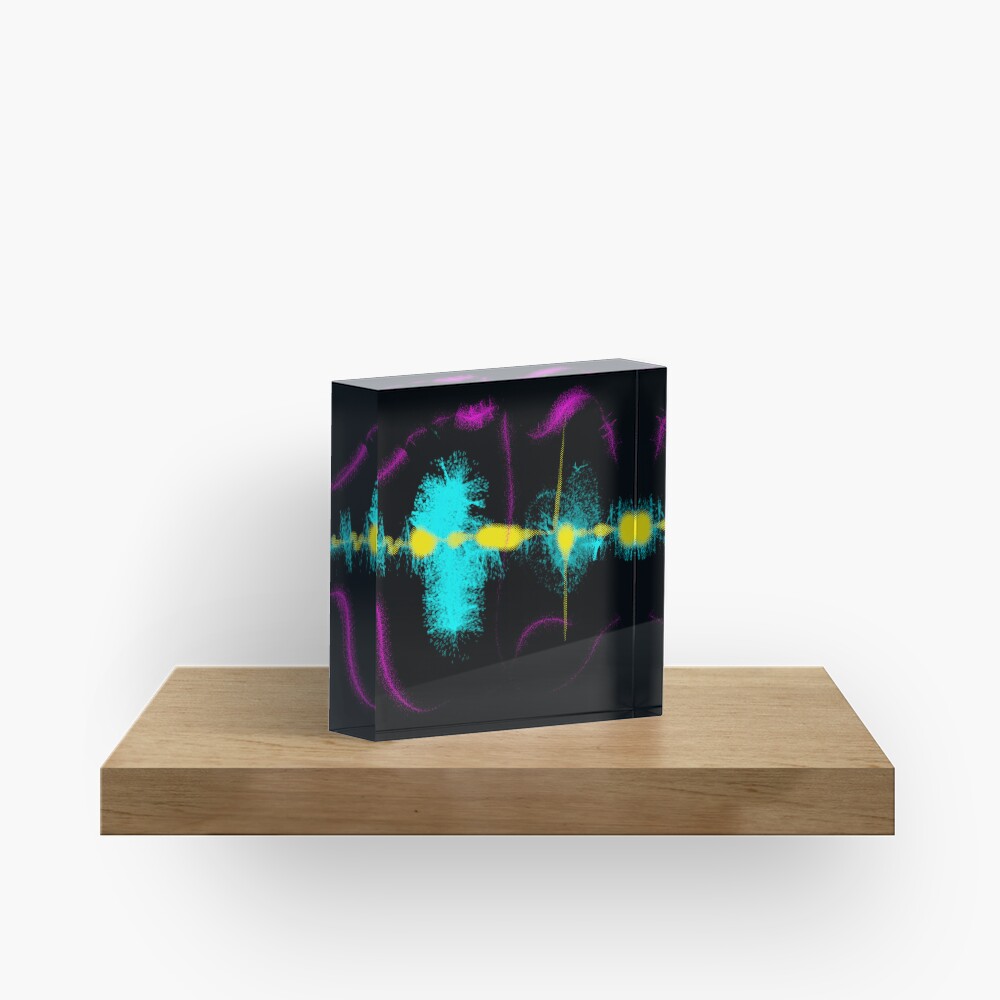
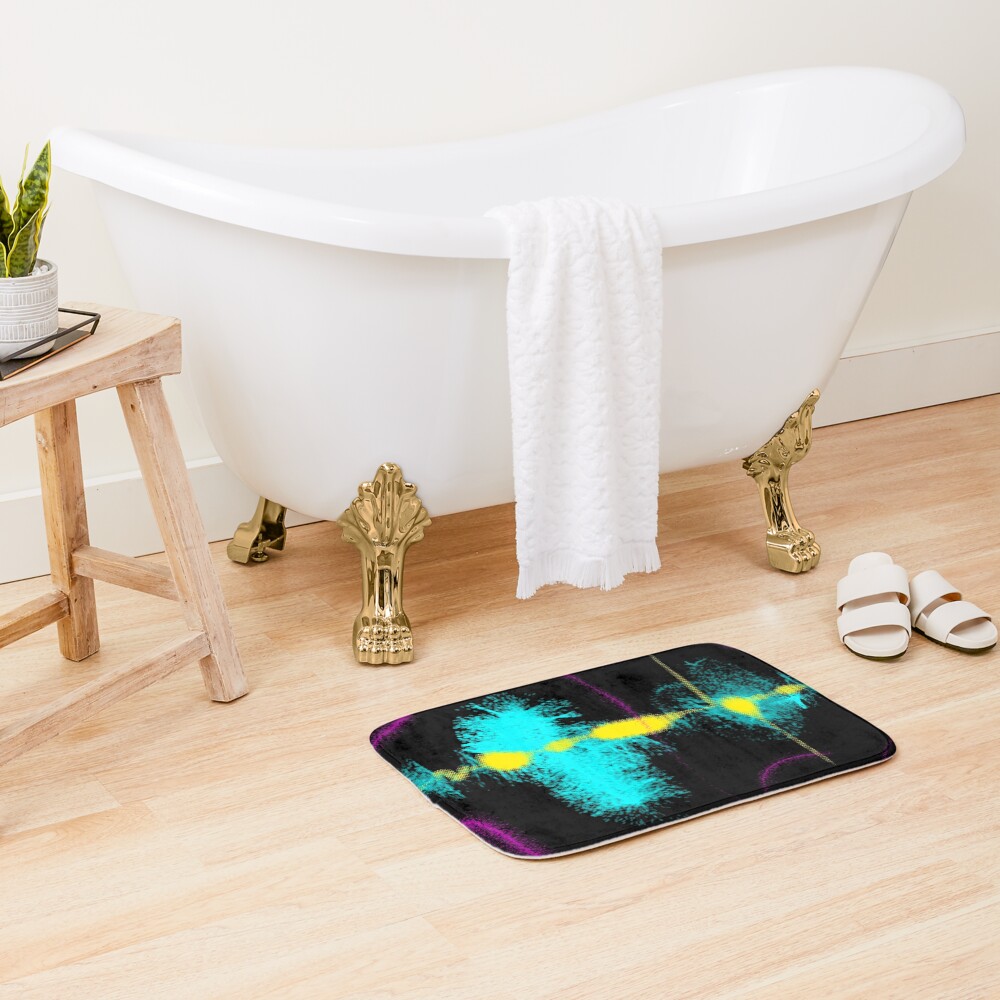
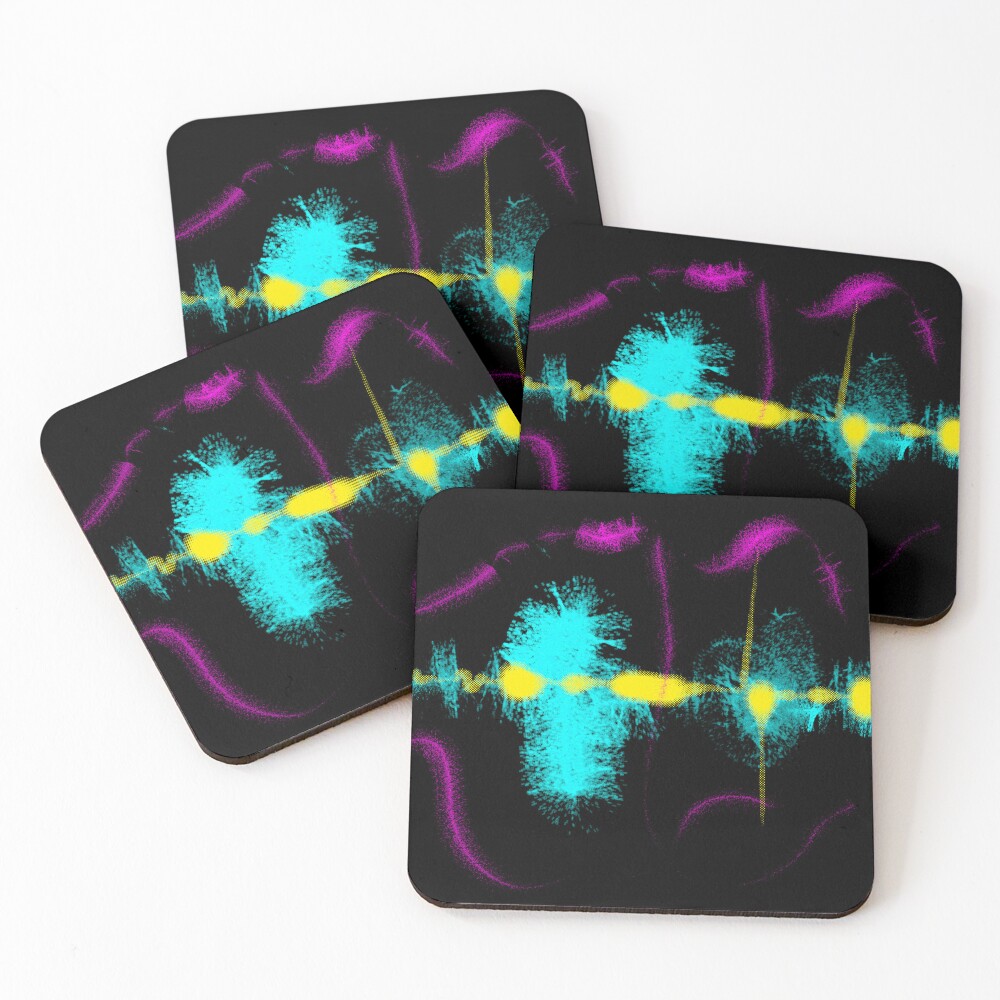
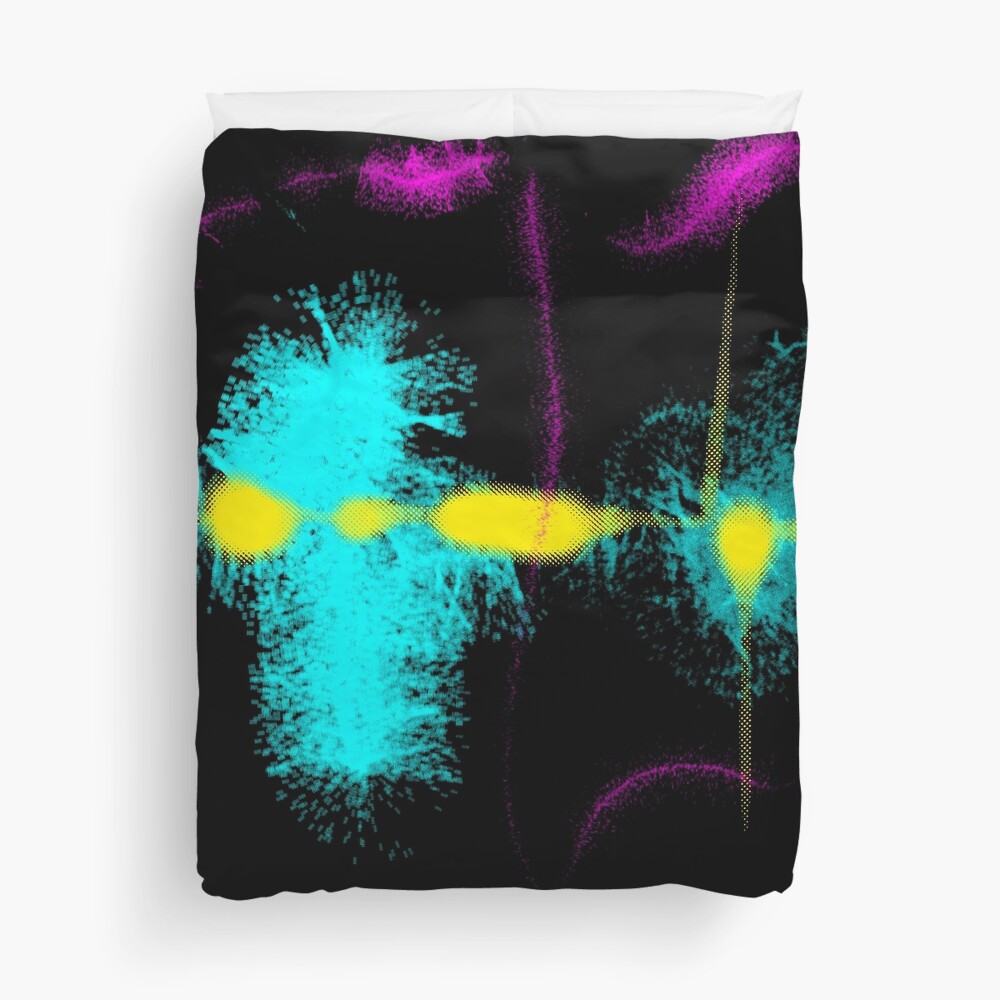
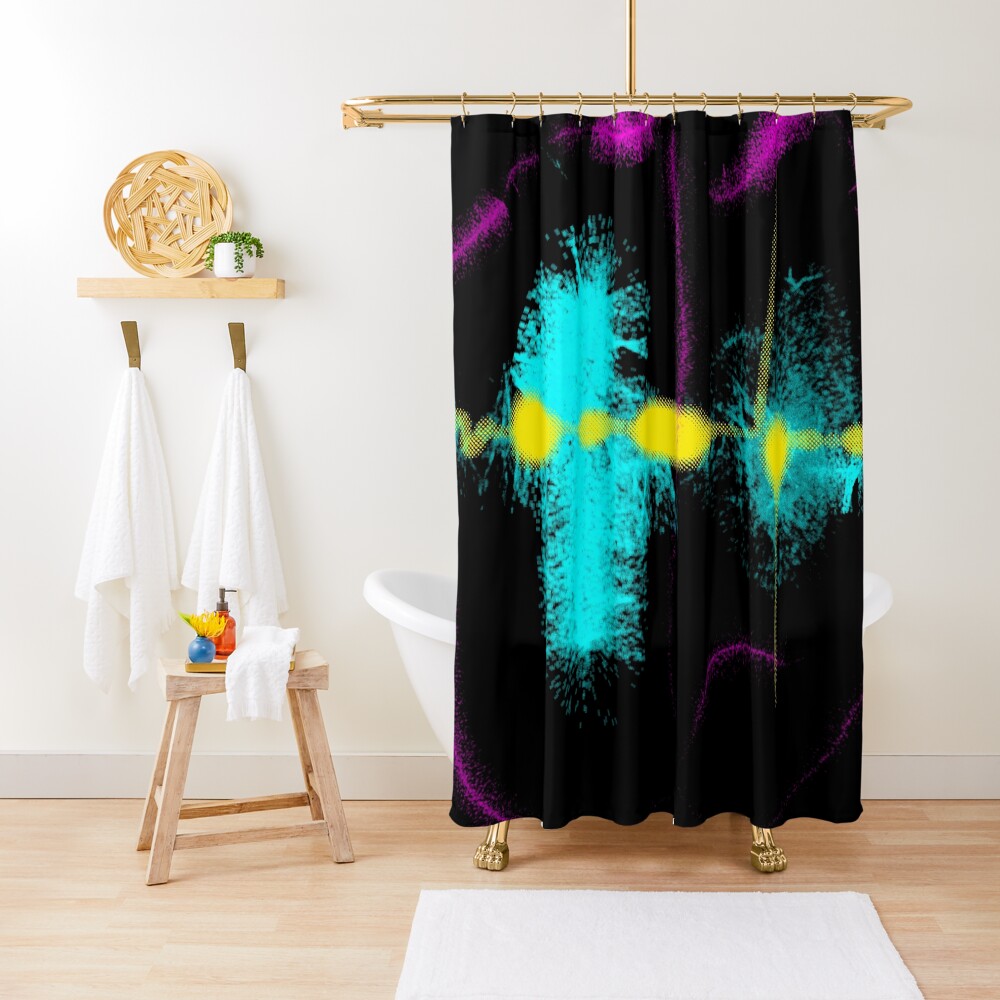
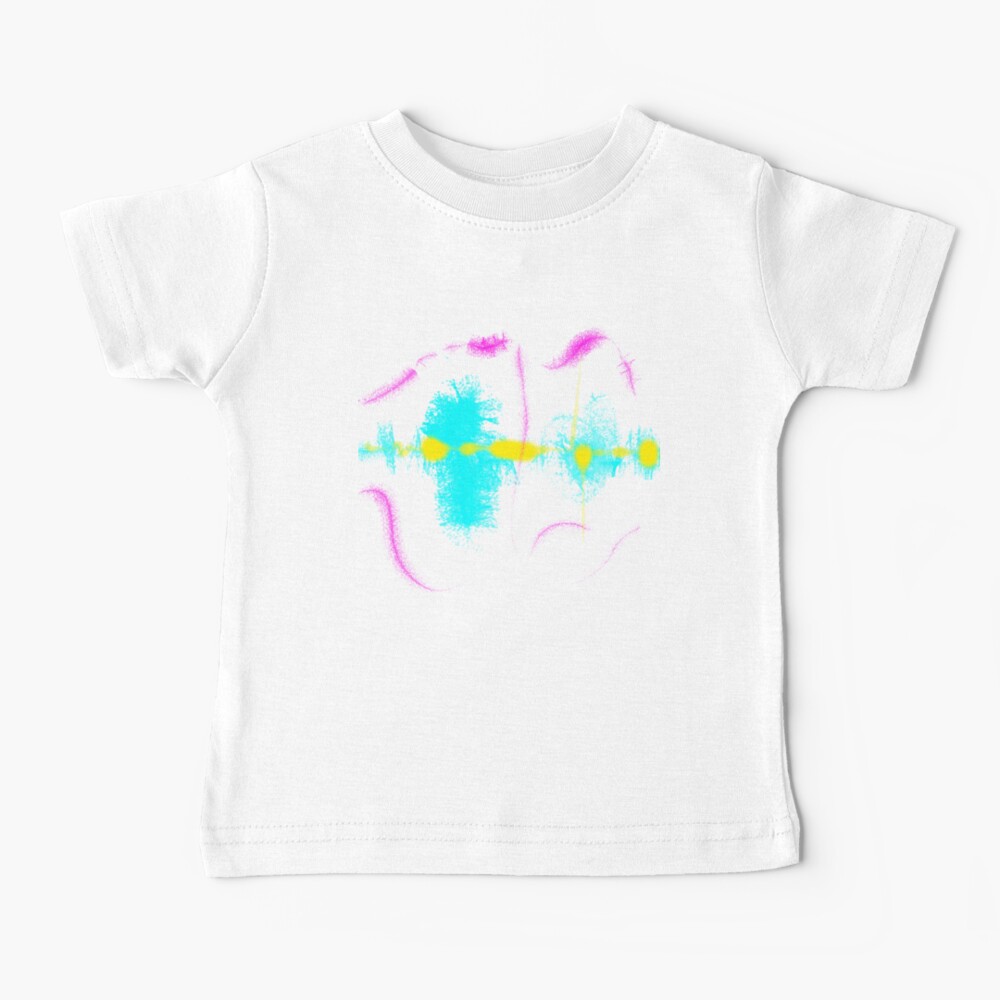
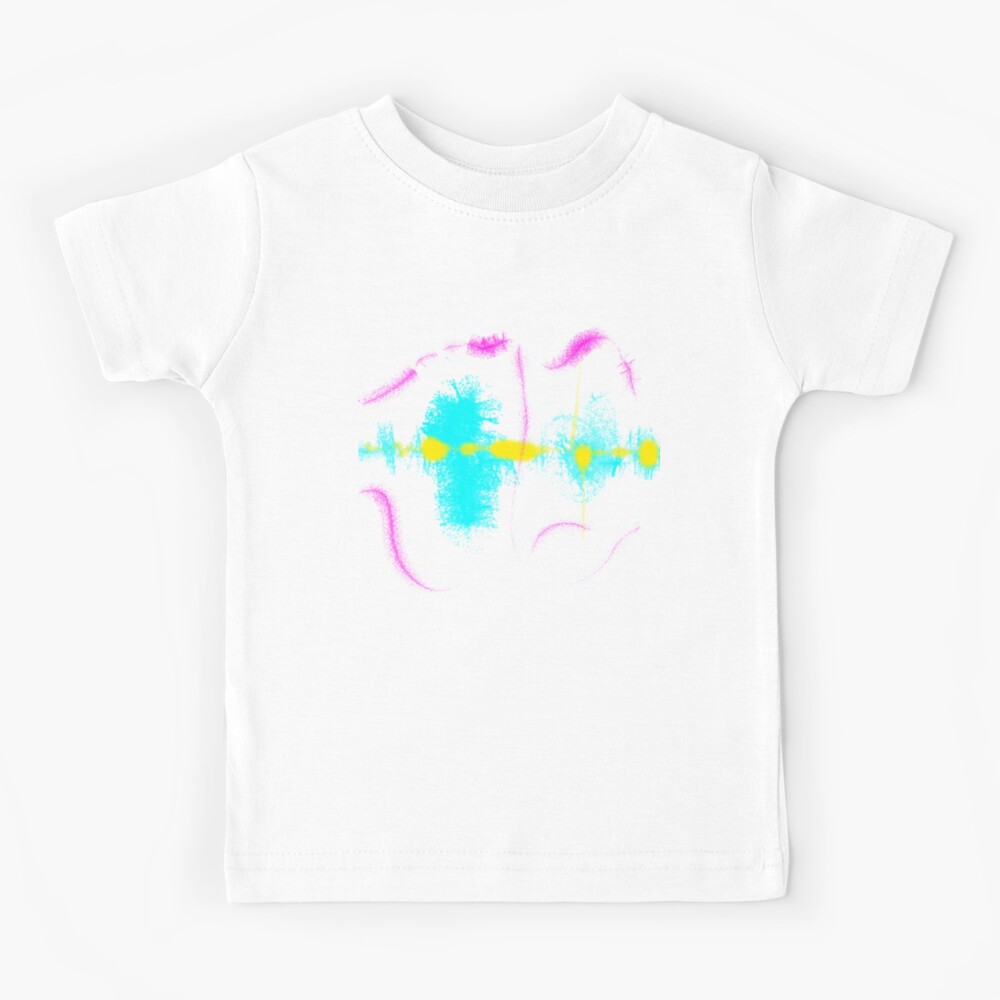
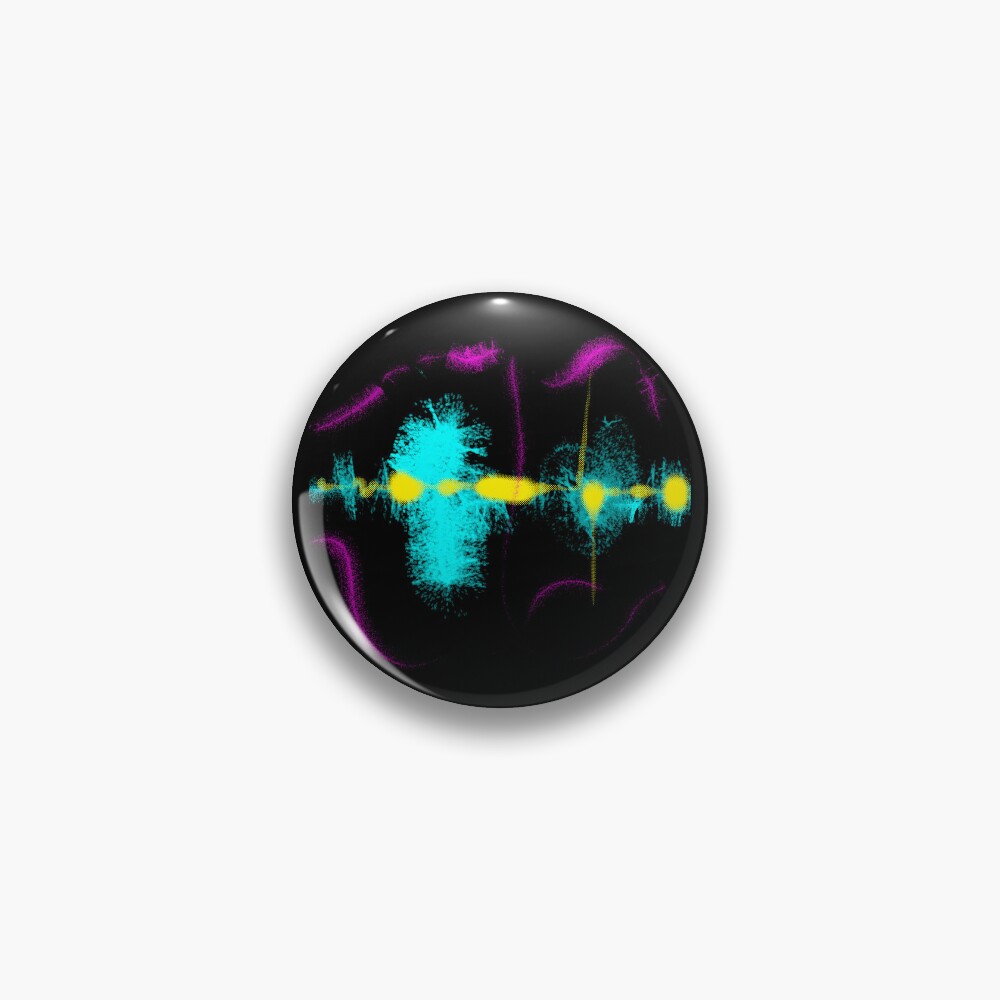
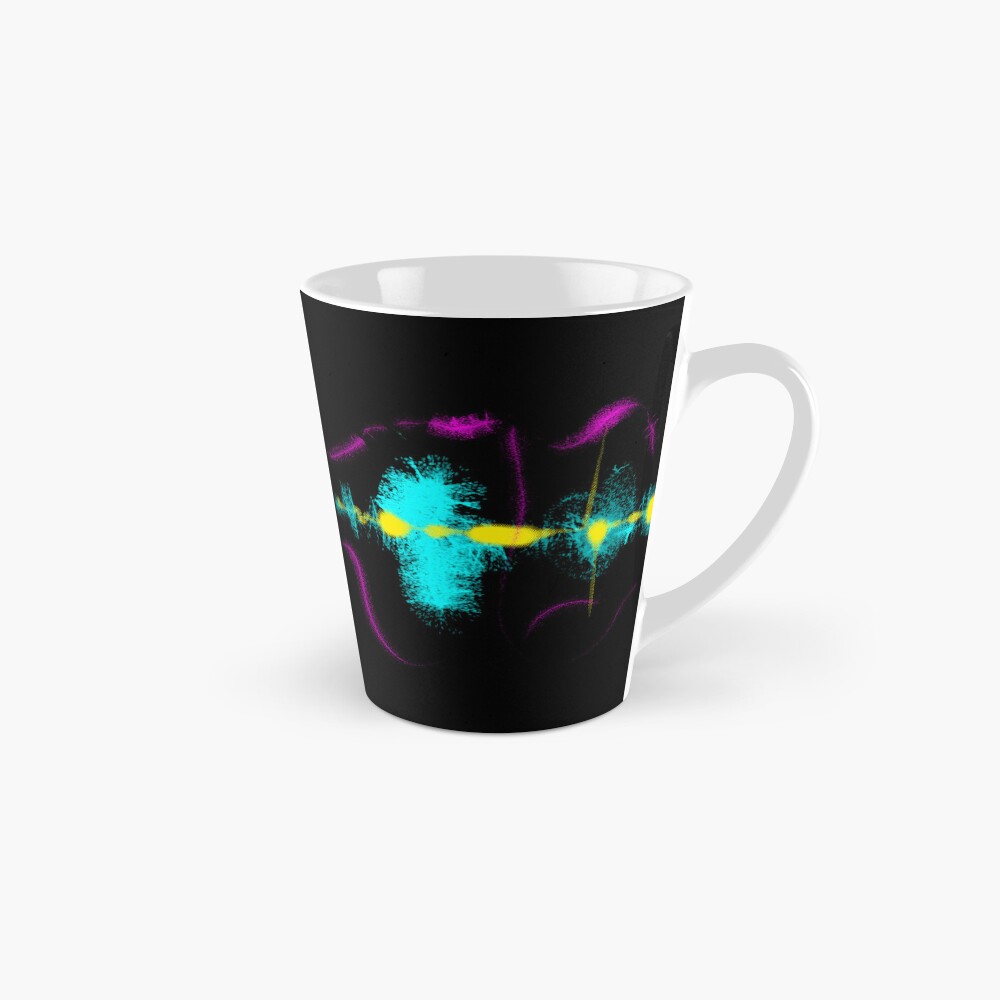
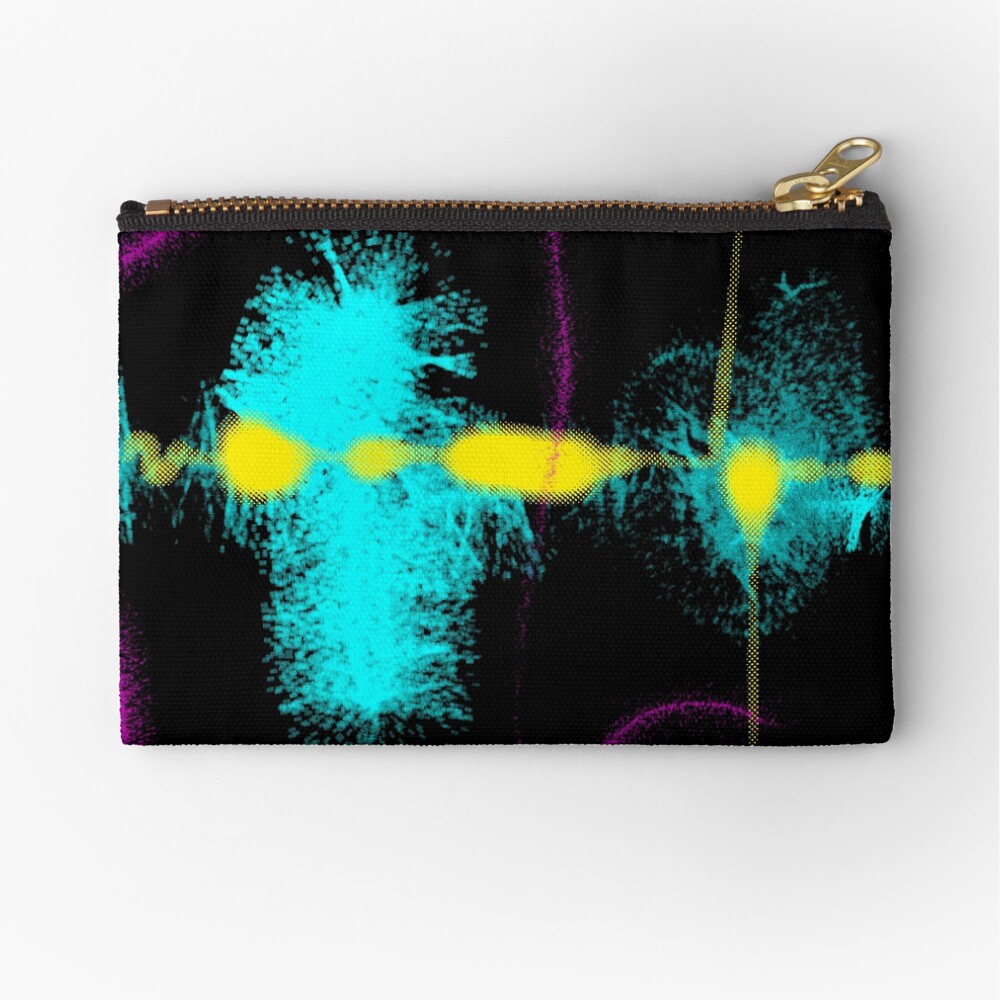
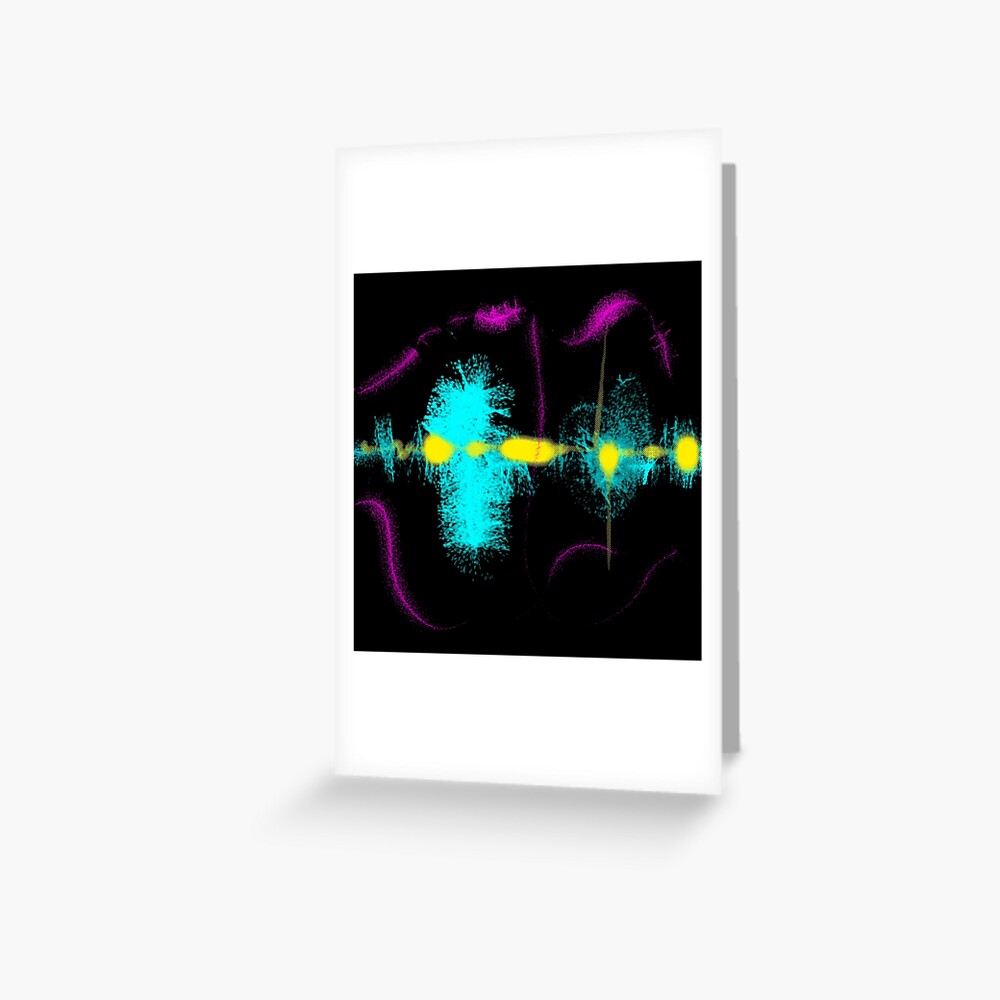
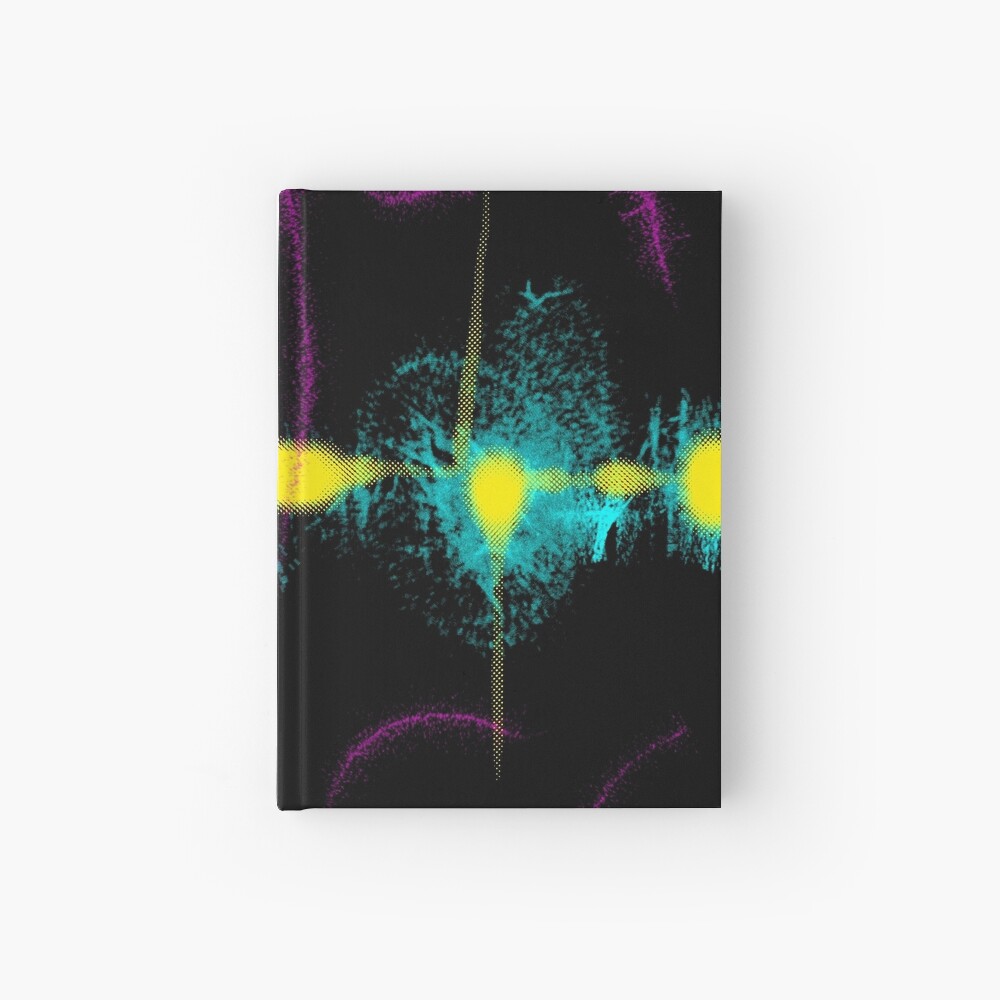
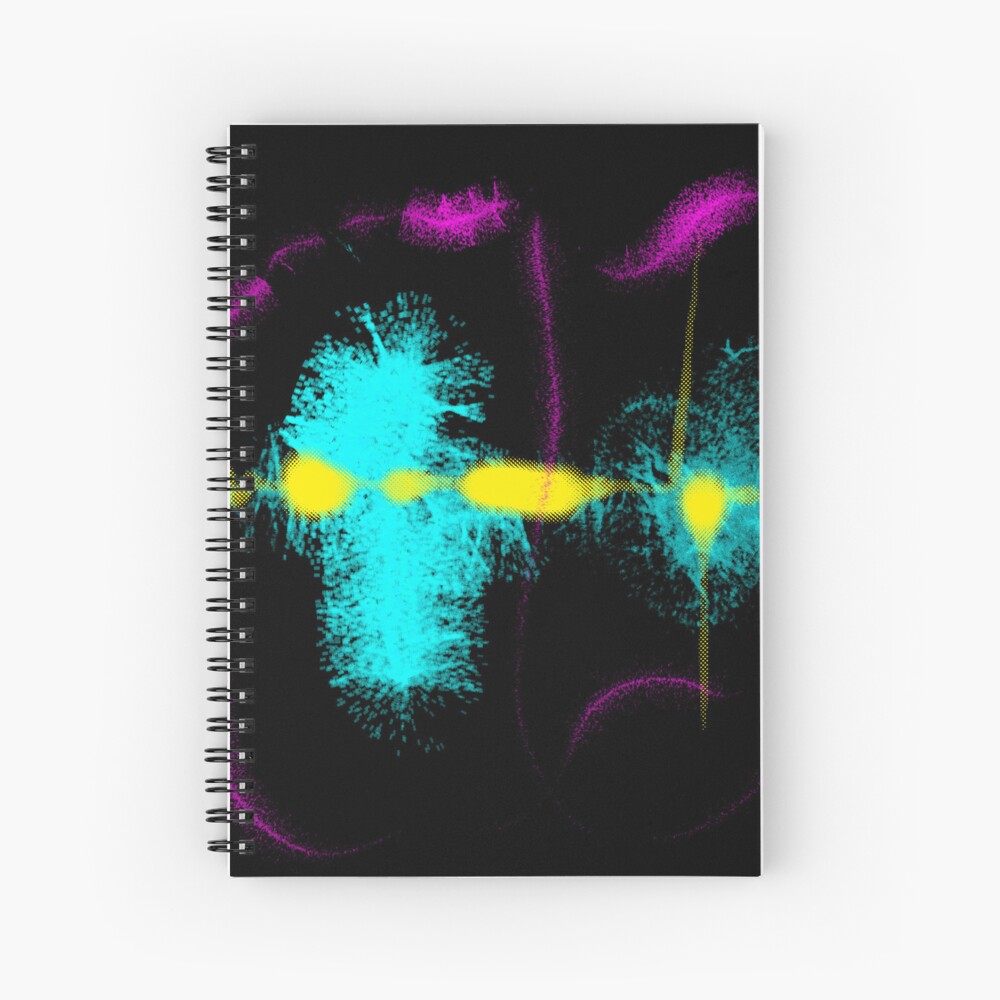
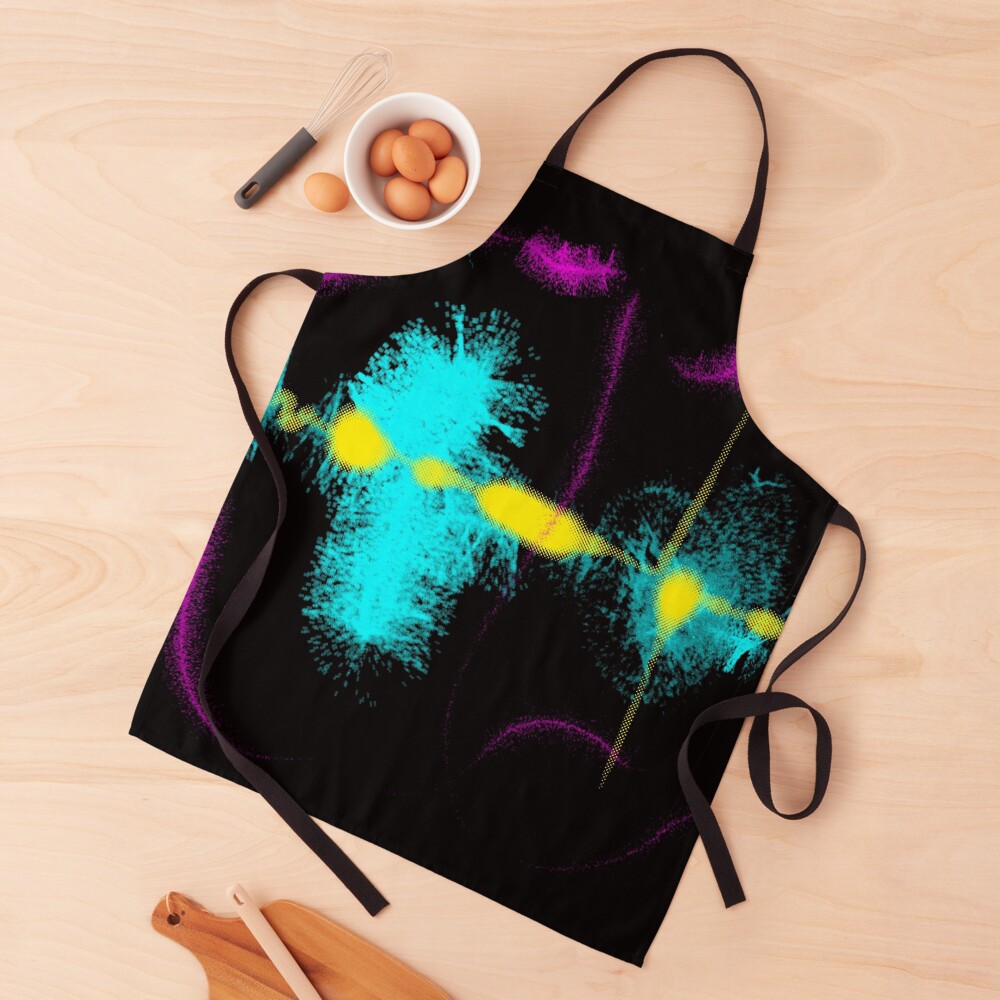
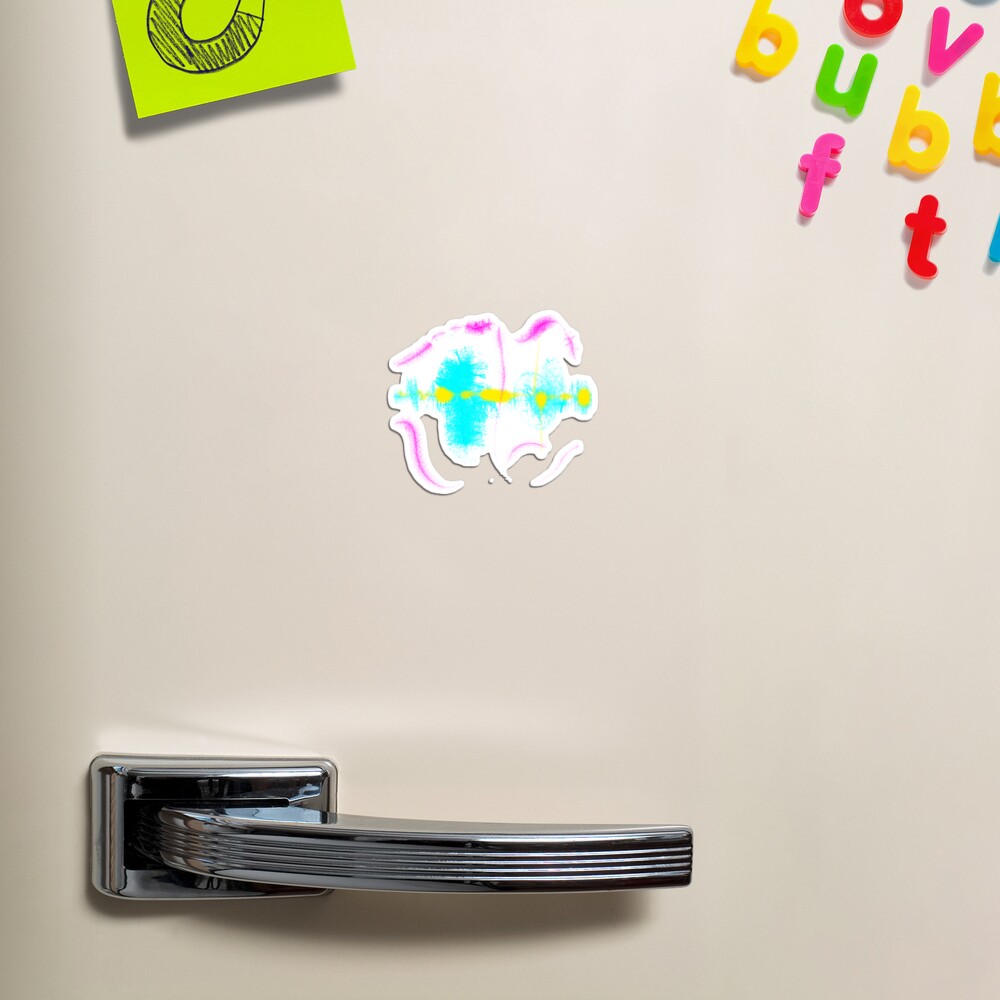
This image is not a score in the traditional sense. There are no clefs, no staves, no fixed pitches insisting on obedience. Instead, what we are looking at is density made visible — energy, concentration, release, accumulation, dispersal.
A density score does not tell the musician what note to play. It asks a different question altogether:
How much is happening — and where?
In this score, sound is imagined as mass. Some areas are thick, almost granular, pressing against the space. Others are sparse, breath-like, suspended. Density replaces pitch as the primary organising principle. Time is still present, but it is elastic. Gesture matters more than correctness. Attention matters more than accuracy.
For the performer, this creates an immediate shift in mindset. Instead of decoding symbols, the musician listens inwardly. They decide how to translate density into sound — through texture, repetition, pressure, register, speed, or silence. A dense area might become clustered notes, tremolo, noise, double-stops, rhythmic saturation, or harmonic stacking. A thin area might resolve into single tones, long bows, isolated piano notes, or breath between sounds.
What emerges is not one piece, but many possible pieces, all born from the same visual source.
Why Density Works (Especially for Learning)
Density scores are profoundly accessible. They do not privilege advanced notation literacy, yet they remain musically sophisticated. A beginner can respond instinctively. An advanced musician can explore nuance, restraint, and control.
For neurodivergent players, density scores are particularly powerful. They reduce symbolic overload. There is no fear of “wrong notes,” no punitive structure. The eye can rest on colour, contrast, and flow. The brain is invited to translate sensation rather than comply with instruction.
For ageing musicians — or those returning to music after long gaps — density scores remove shame. They honour lived experience. They allow sound to be shaped by the body as it is now, not as it once was.
This score does not demand speed, virtuosity, or endurance. It rewards presence.
Possibilities Across Musical Settings
Solo Practice
A density score can become a daily practice companion. The musician might choose a different instrument, register, or limitation each day:
– only open strings
– only left hand pizzicato
– only breath sounds or harmonics
– one hand, one finger, one texture
The score remains the same; the interpretation evolves. This builds musical identity rather than repetition fatigue.
Teaching Studios
For tutors, density scores open up a shared language that is not hierarchical. Teacher and student can interpret the same image differently and then discuss choices. This fosters dialogue instead of correction.
A tutor might ask:
-
“Where did you feel the score became heavier?”
-
“What did you choose to remove rather than add?”
-
“How did silence function for you?”
These are musical questions — but also reflective ones.
Ensemble Work
In groups, density scores encourage deep listening. Players might agree on a shared timeline but interpret density individually, creating organic polyphony. Or they might assign density roles: one player responsible for mass, another for interruption, another for decay.
This is ensemble playing without domination.
Composition & Improvisation
For composers, density scores function as conceptual blueprints. They can be translated into conventional notation later — or left open forever. For improvisers, they offer structure without confinement, a frame without a cage.
A Different Kind of Authority
What this score ultimately proposes is a shift in musical authority. The authority is no longer embedded in the page. It lives in the relationship between image, body, and sound.
This is not anti-notation. It is post-notation.
It acknowledges that music is not only something we read — it is something we inhabit. Density scores remind us that sound has weight, that silence has shape, and that meaning often emerges not from precision, but from attention.
In a world increasingly obsessed with optimisation, this kind of score gives permission to linger. To feel. To listen before deciding.
And perhaps most importantly, it invites musicians back into a space of trust — trust in their own ears, their own timing, their own sense of when something is full enough… or when it is time to let it breathe.















































The Heart of the Workshop: A Viola Maker’s Bench
The Heart of the Workshop: A Viola Maker’s Bench In the quiet intensity of a luthier’s workshop, where thin shavings of spruce curl under ...

-
 Purchase via the Digitalia Engine The iServalan™ Poster Shop Bold. Playful. Electric. 100% Creative Kudos Welcome to The iServalan™ Poste...
 -
The Cry-Eye (Cyan Insignia Caste III — The Signal-Seers Tank Top £17.14 £21.44 (20% off) The Warren-Crest Yellow Insignia Caste Vlll — The E...

