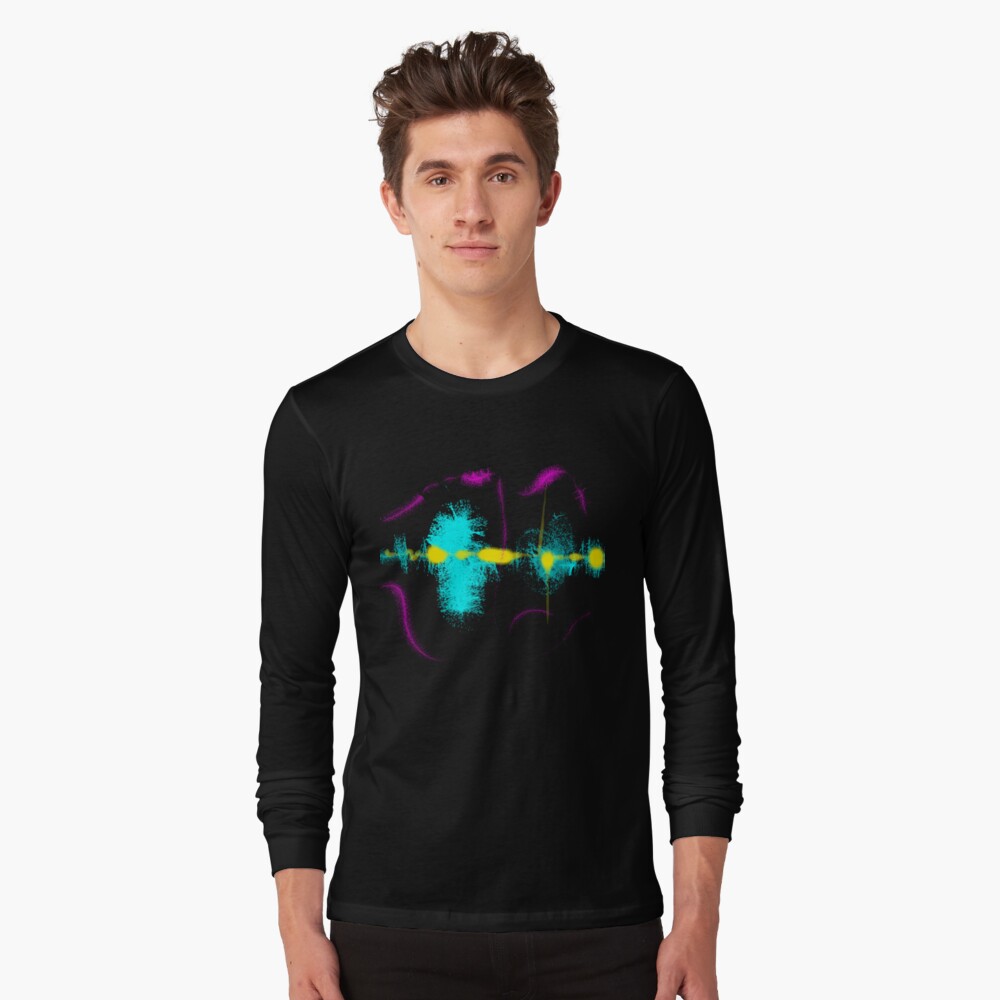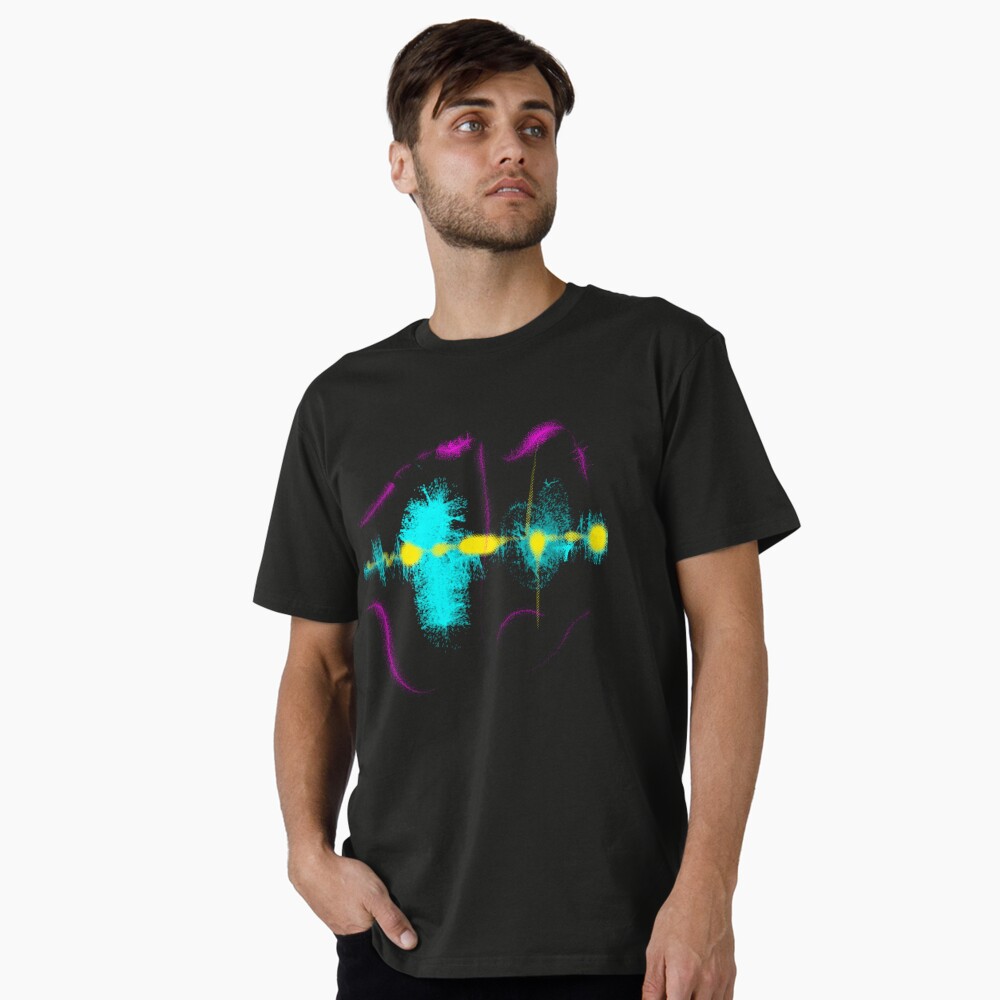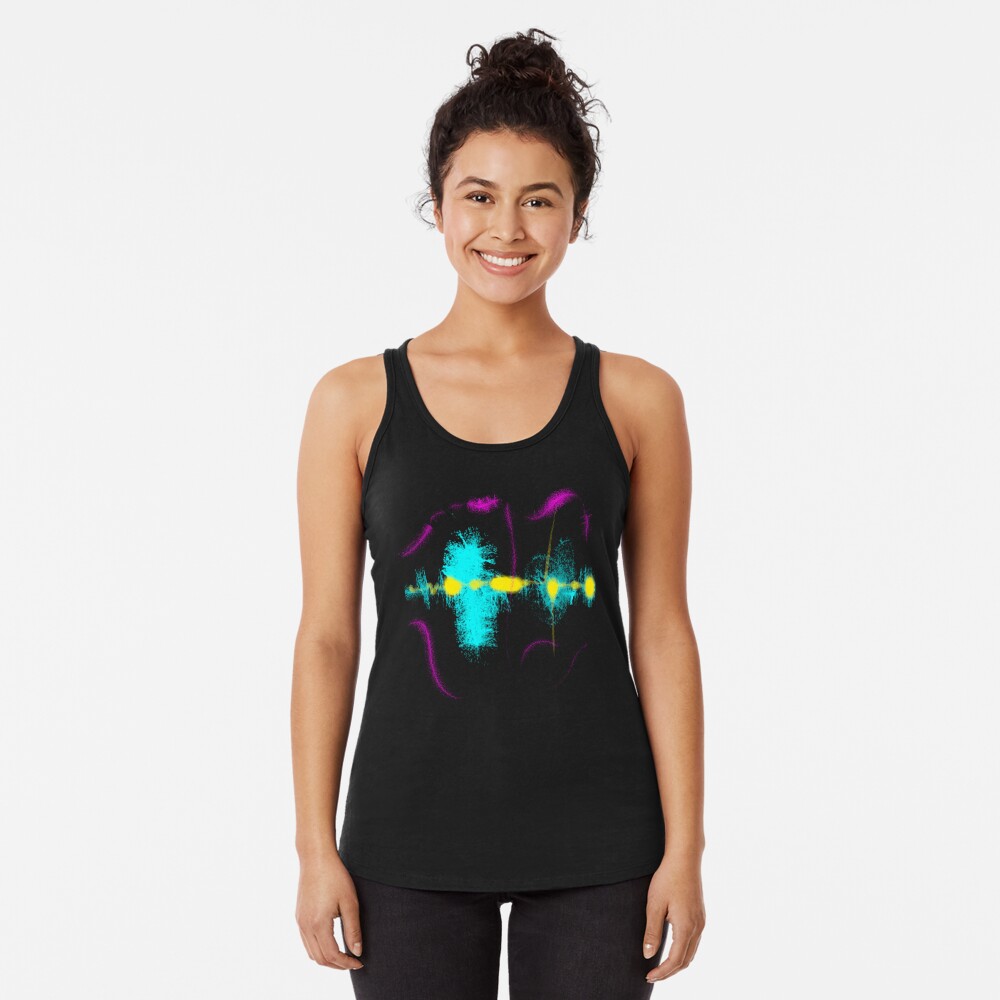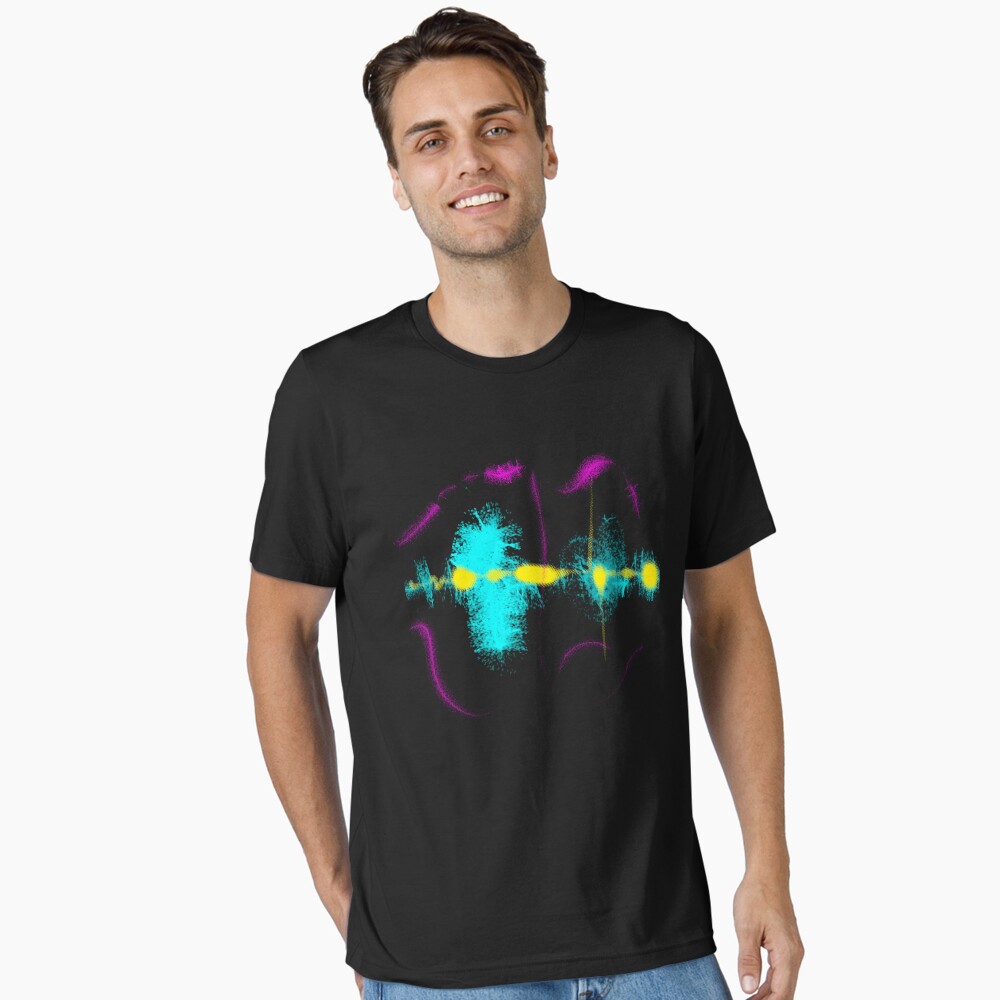
The Continuum Music Framework™ is a pedagogical framework for music learning developed by Sarnia de la Maré FRSA, responding to the growing need for approaches that prioritise emotional safety, curiosity, and continuity over pressure and performance.
by Sarnia de la Maré FRSA
The Continuum Music Framework is an open, adaptive pedagogy for musical learning, designed to support musicians of all ages, abilities, and backgrounds. Rather than promoting pressure, competition, or rigid outcomes, the Framework offers a humane, inclusive approach that recognises learning as a living process—one shaped by individuality, environment, and emotional safety.
Rooted in contemporary pedagogical thinking and decades of artistic practice, the Continuum Music Framework works alongside existing methods rather than replacing them. It encourages musical confidence through clarity, agency, and early creative engagement, including composition as a central part of learning from the very beginning.
Each book in the series explores a different layer of the Framework.
Part I, Foundations, introduces The Continuum Approach—a
gentle yet rigorous entry point that focuses on mindset, environment,
pacing, and the conditions that allow learning to take root. Later
volumes expand into structures, studies, and applied pathways, supported
by optional scores, diagrams, and teaching tools available separately.
The Continuum Music Framework is intended for independent learners, educators, parents, and returning musicians alike. It is not a method to be mastered, but a framework to grow within—one that values curiosity over compliance, and continuity over perfection.
Buy the eBook here https://gum.new/gum/cmk471y2q001h04l2cgqt56ju
Reading Density: A New Kind of Score
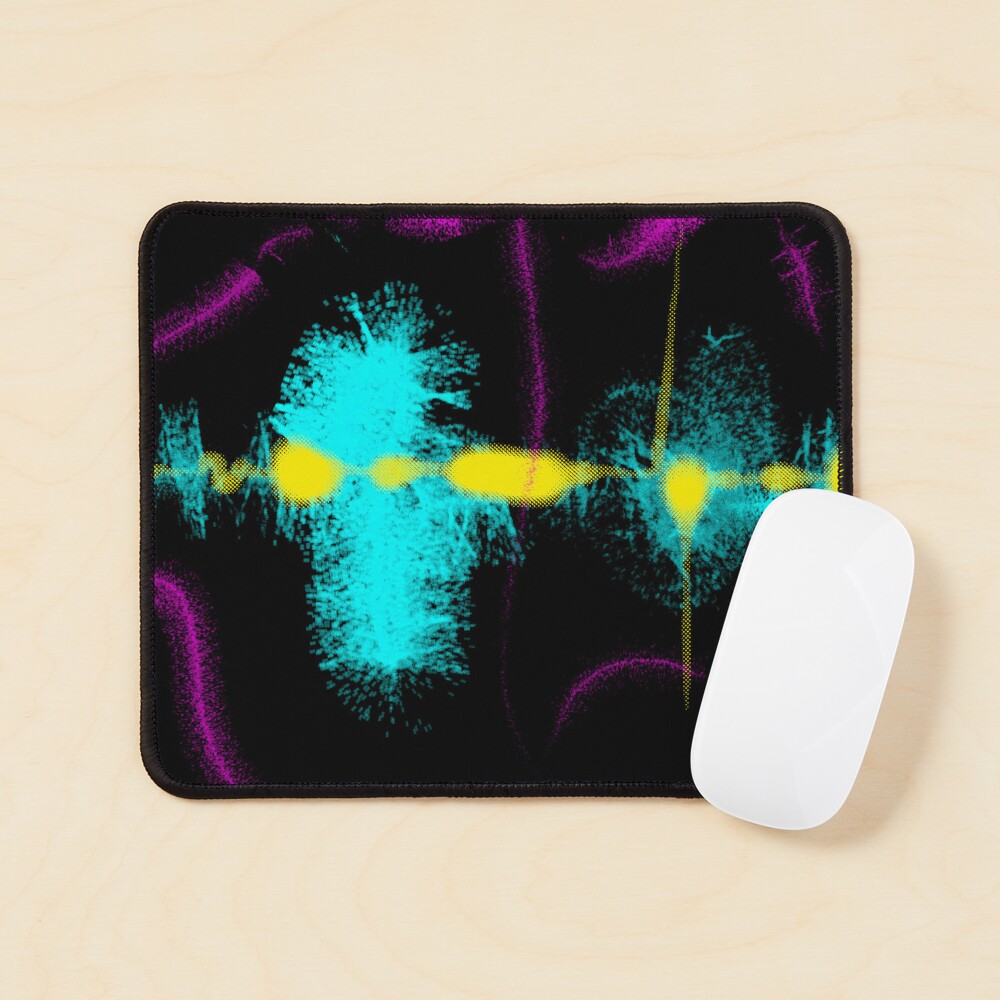
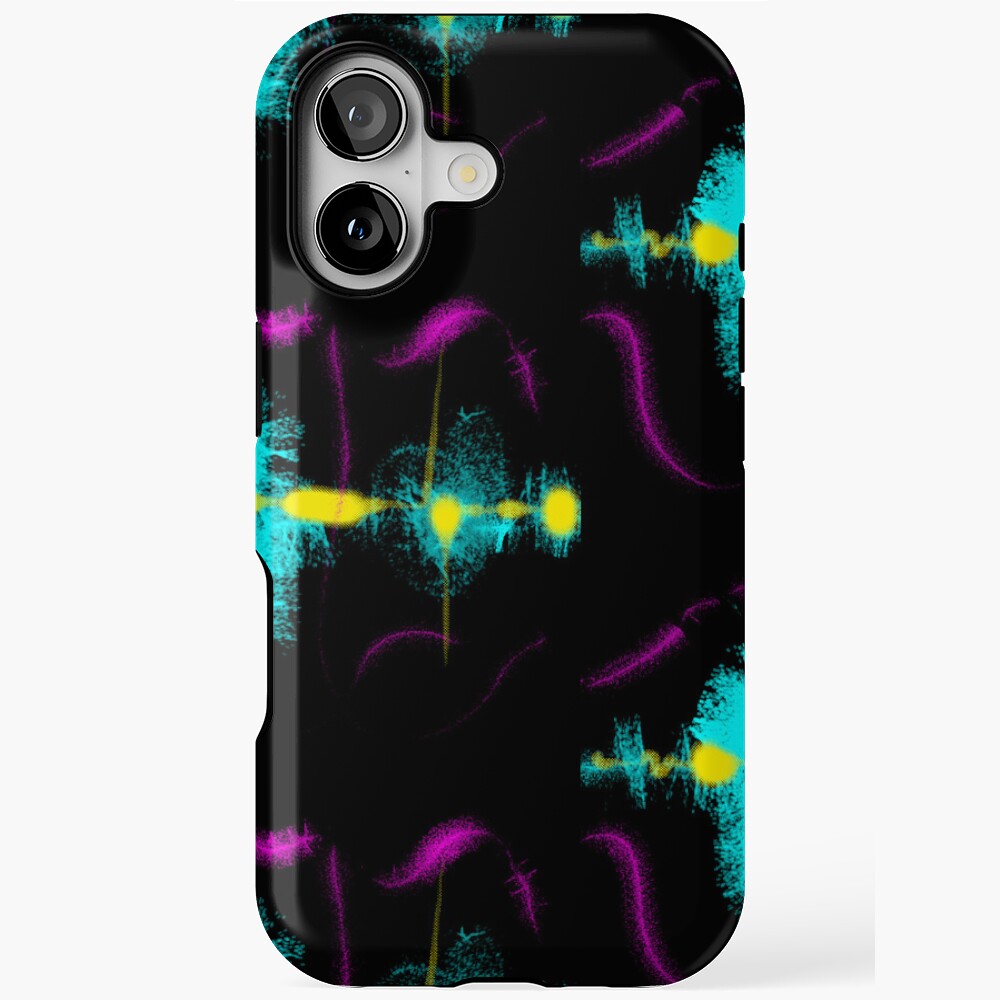
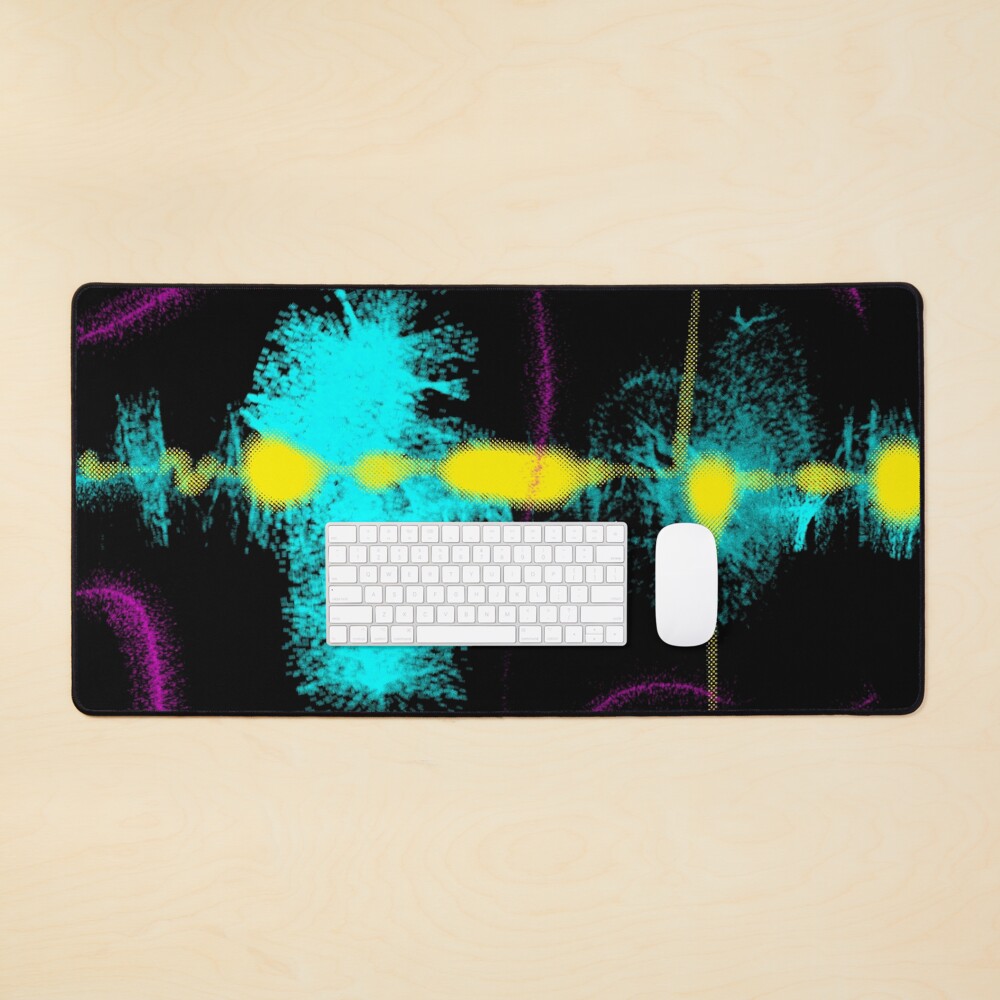
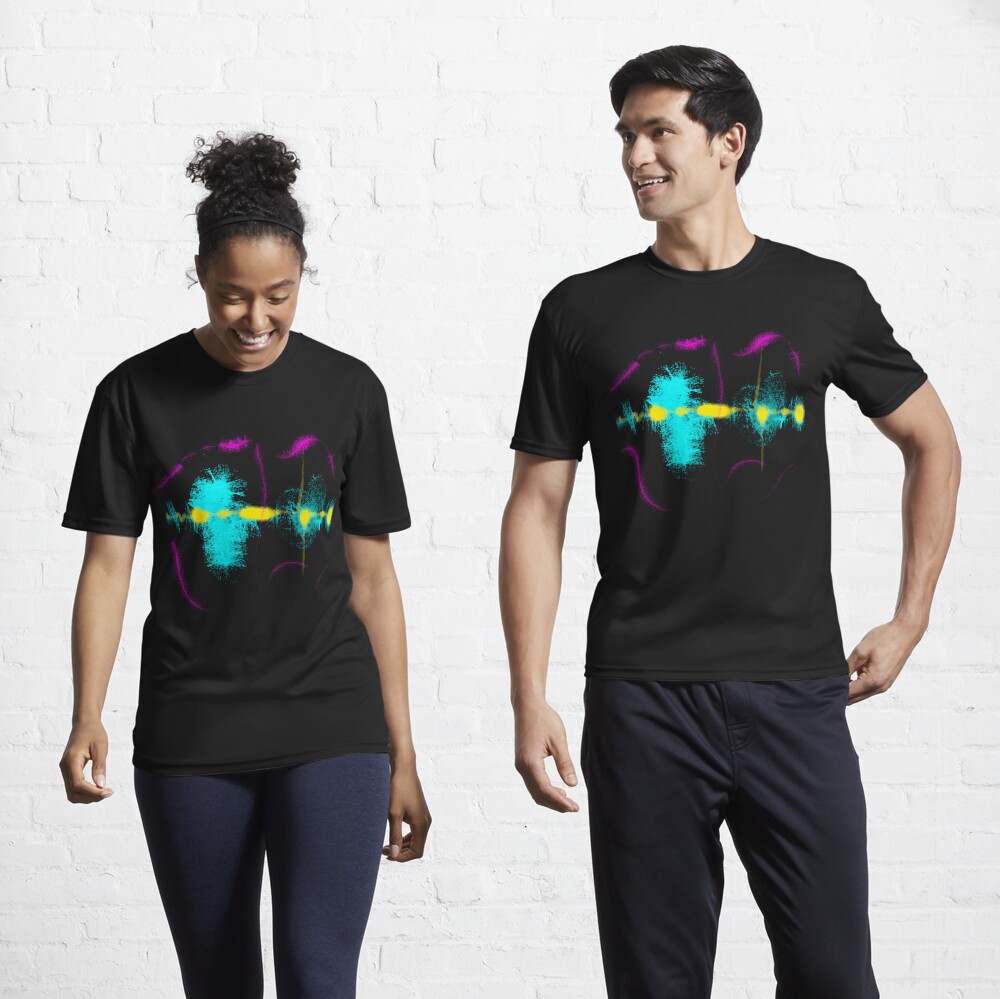
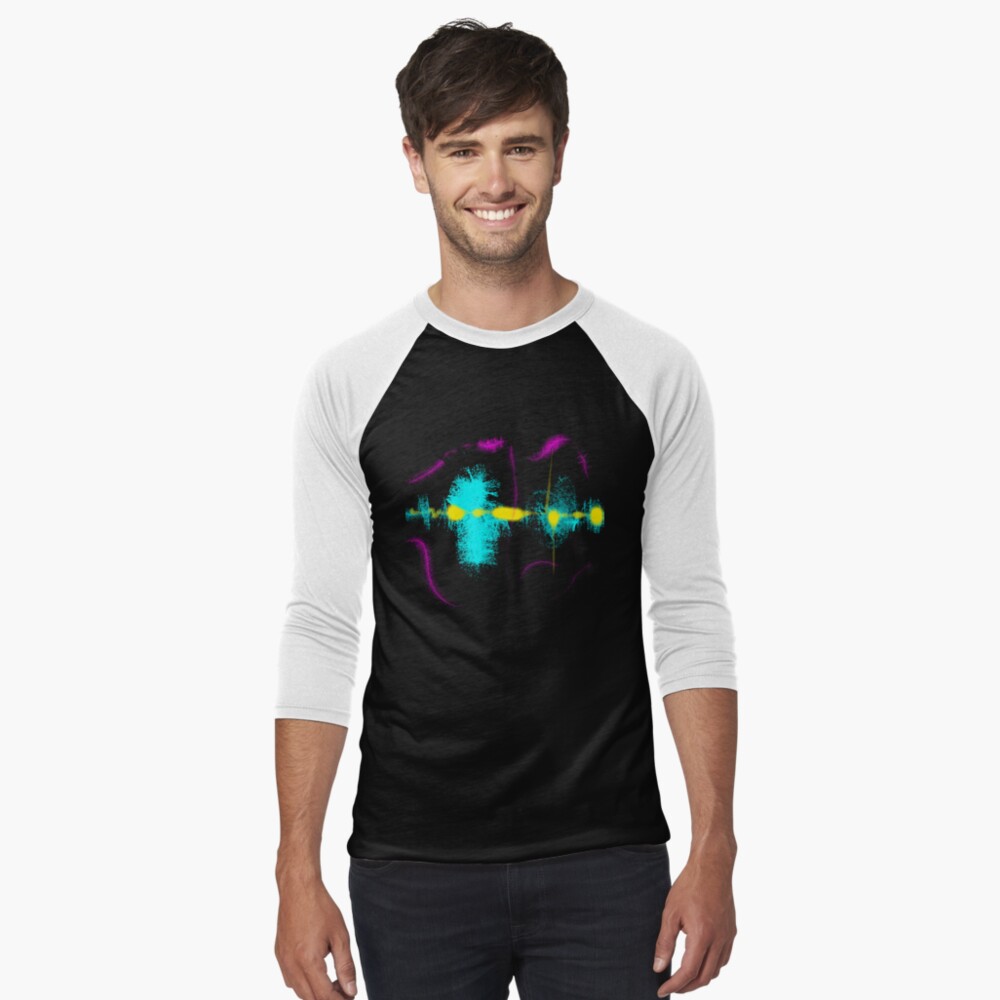
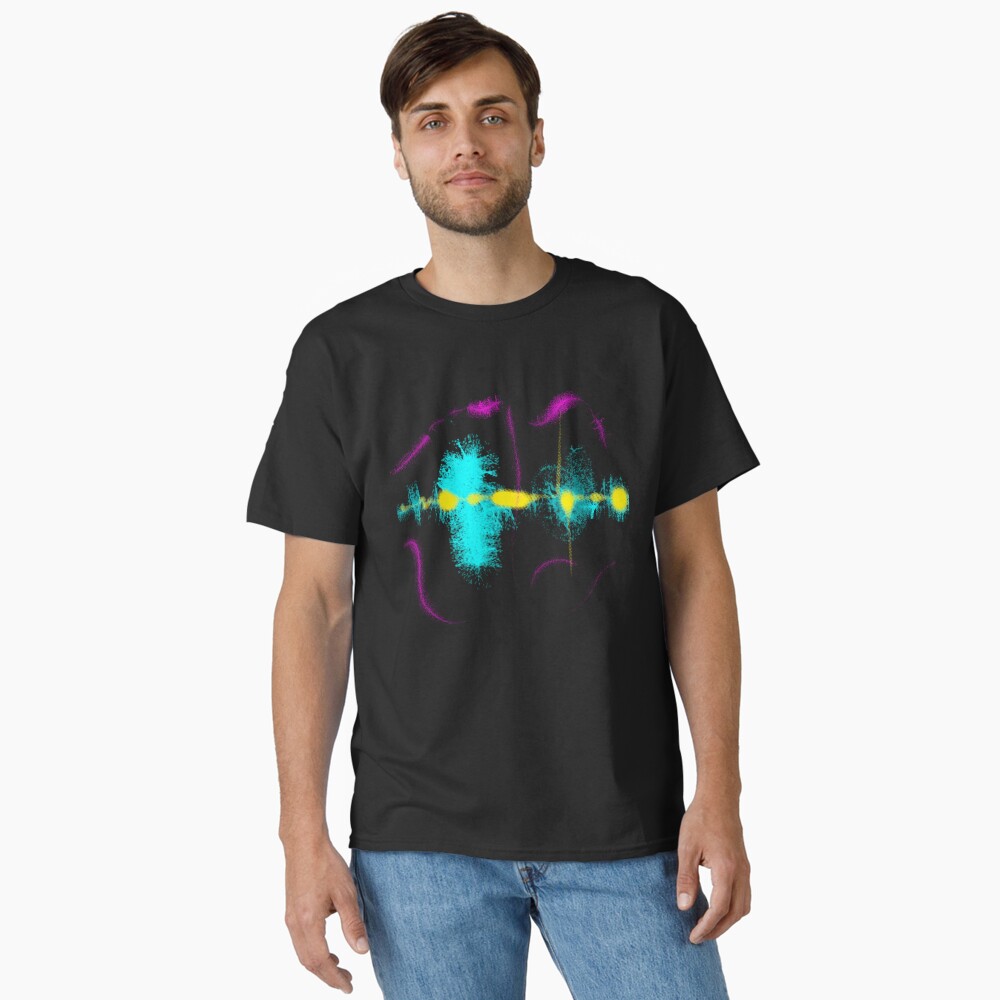
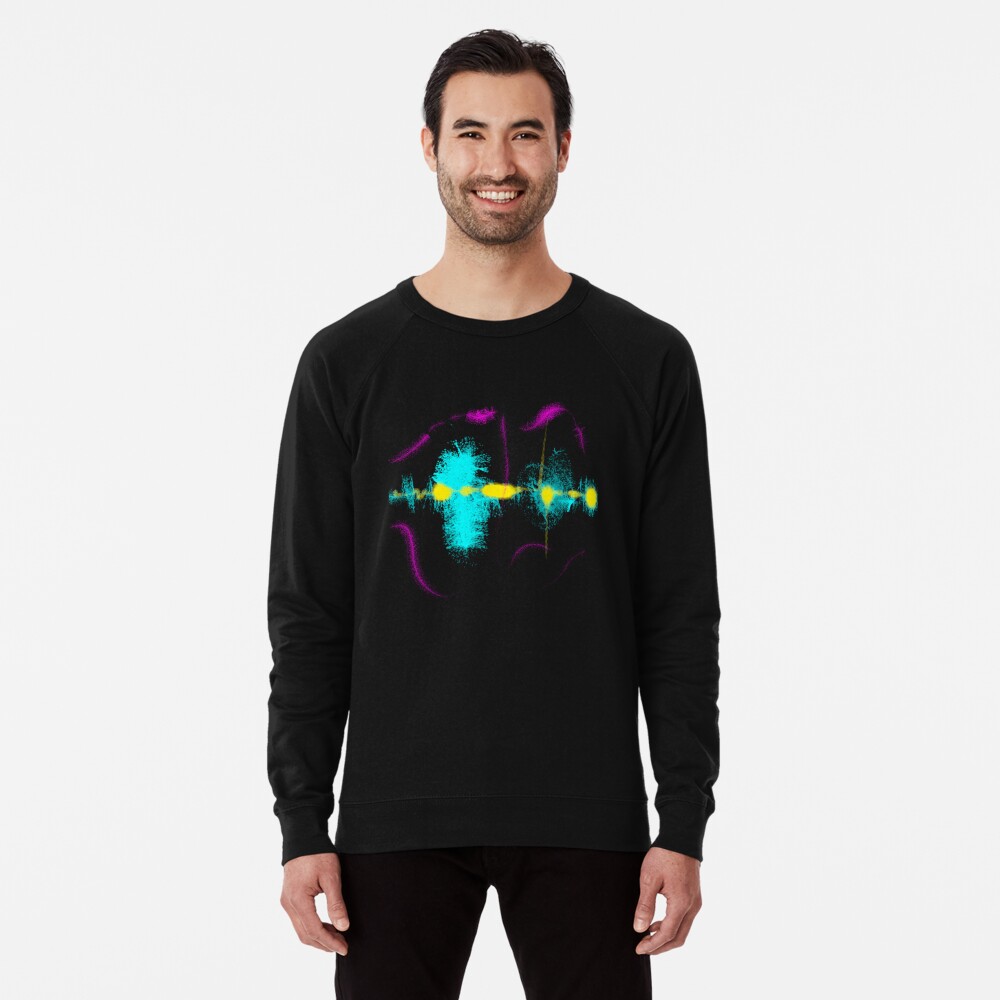
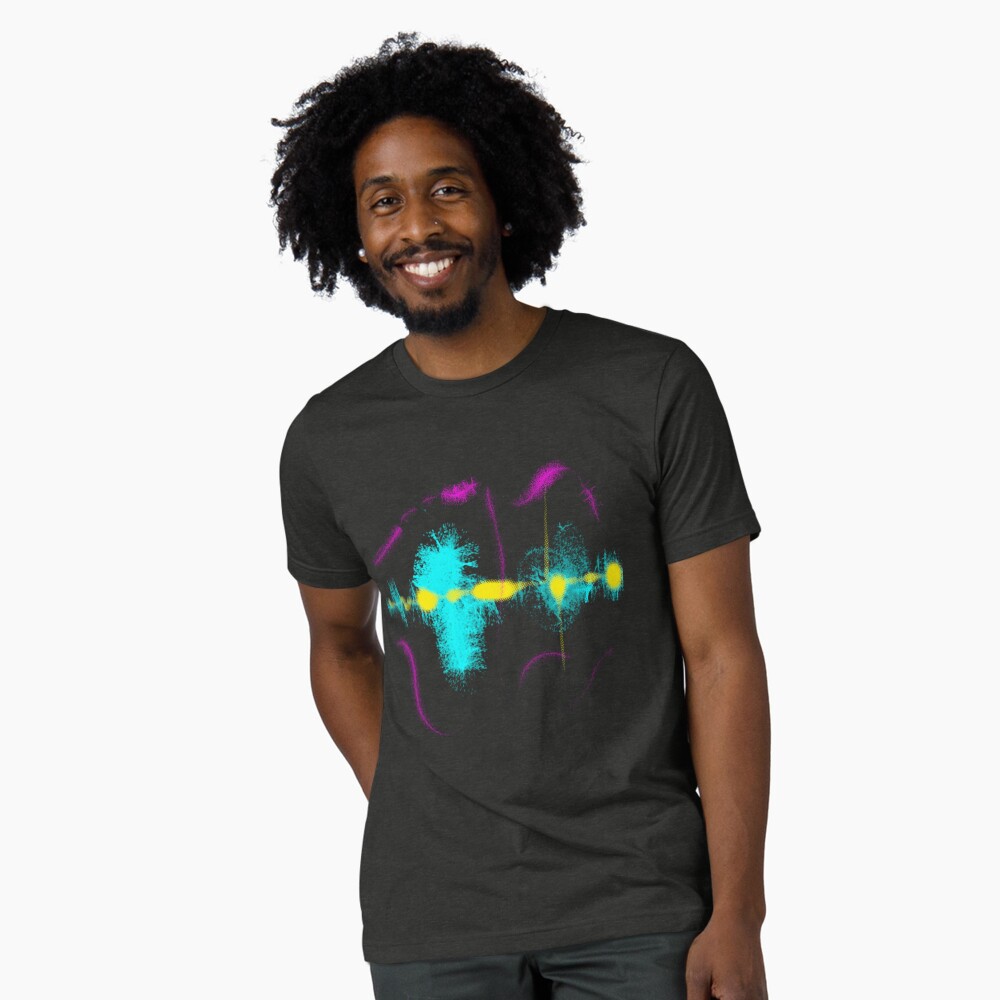
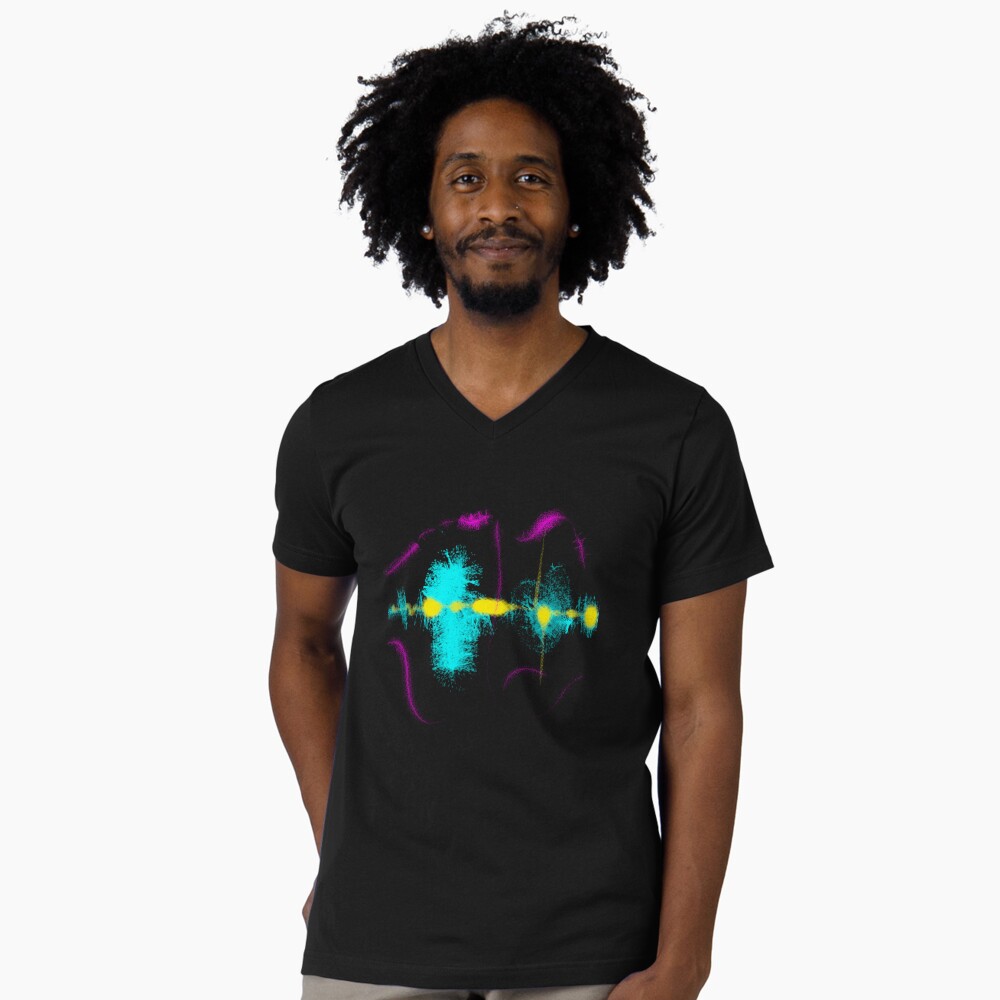
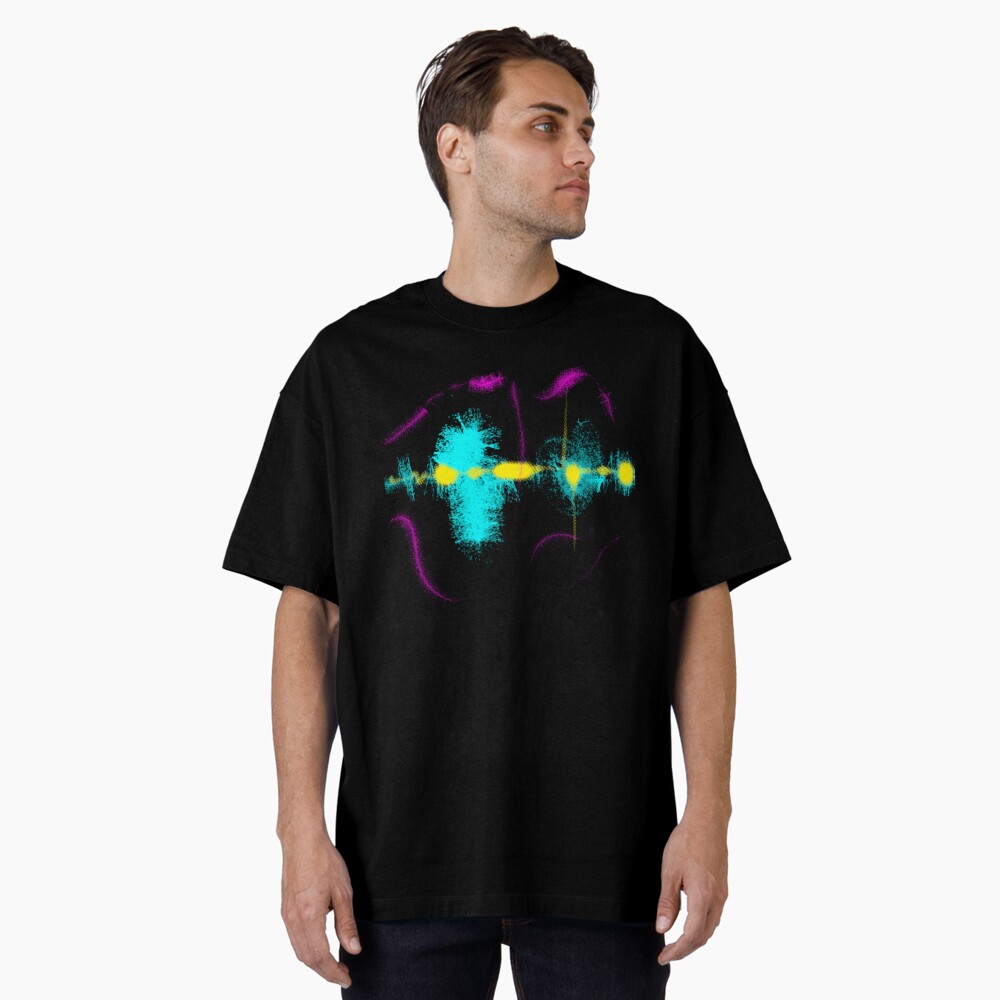
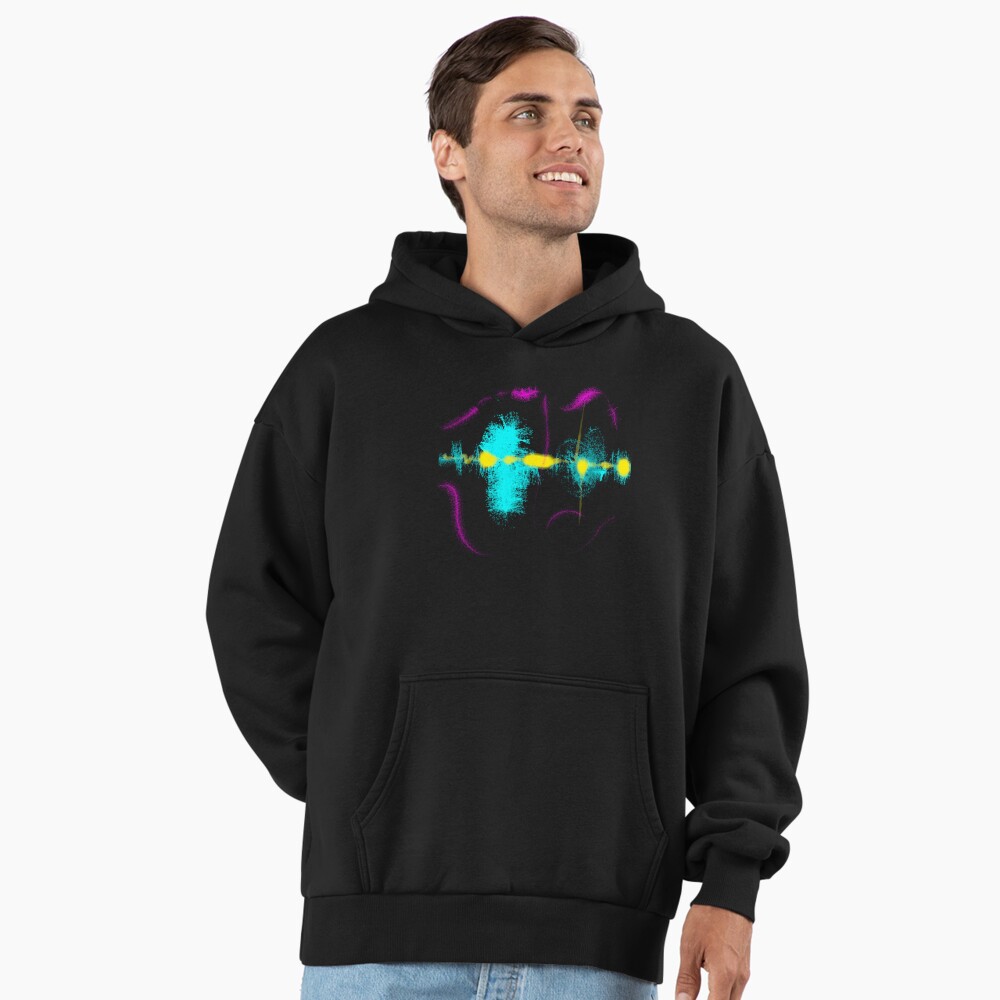
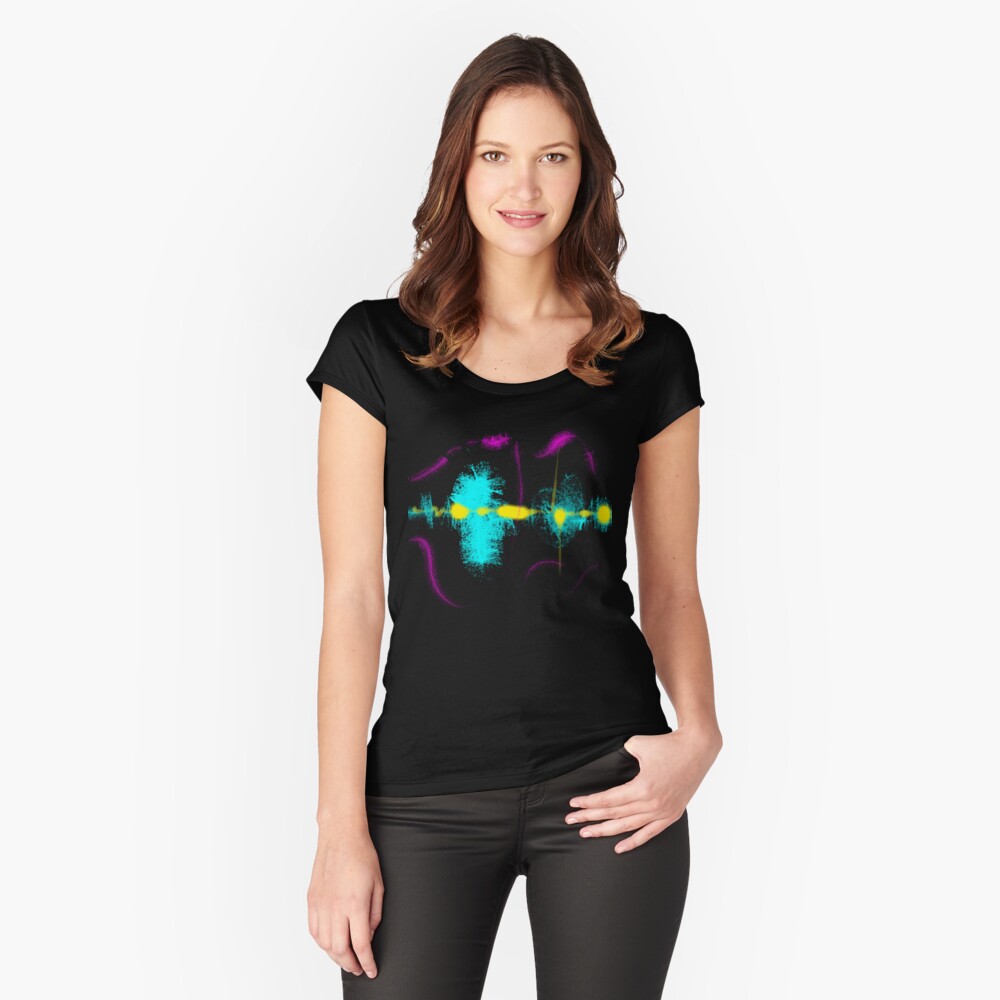
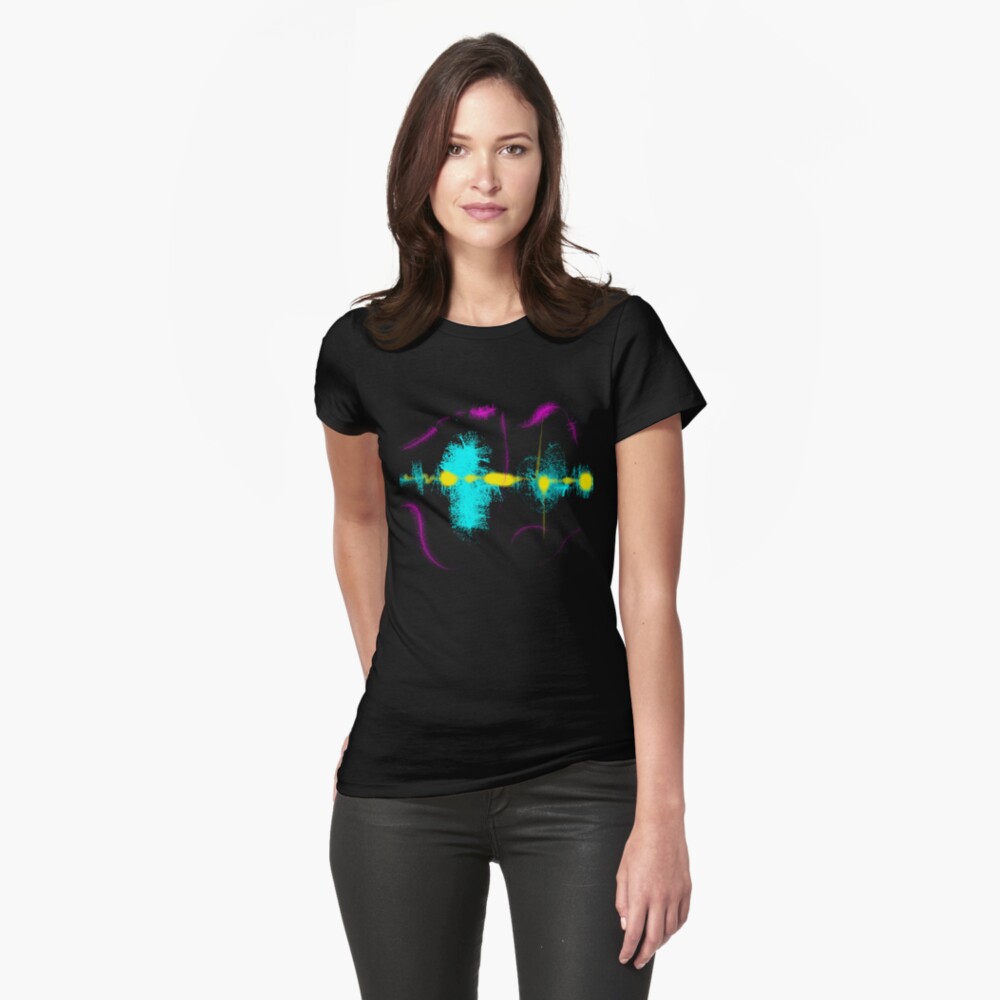
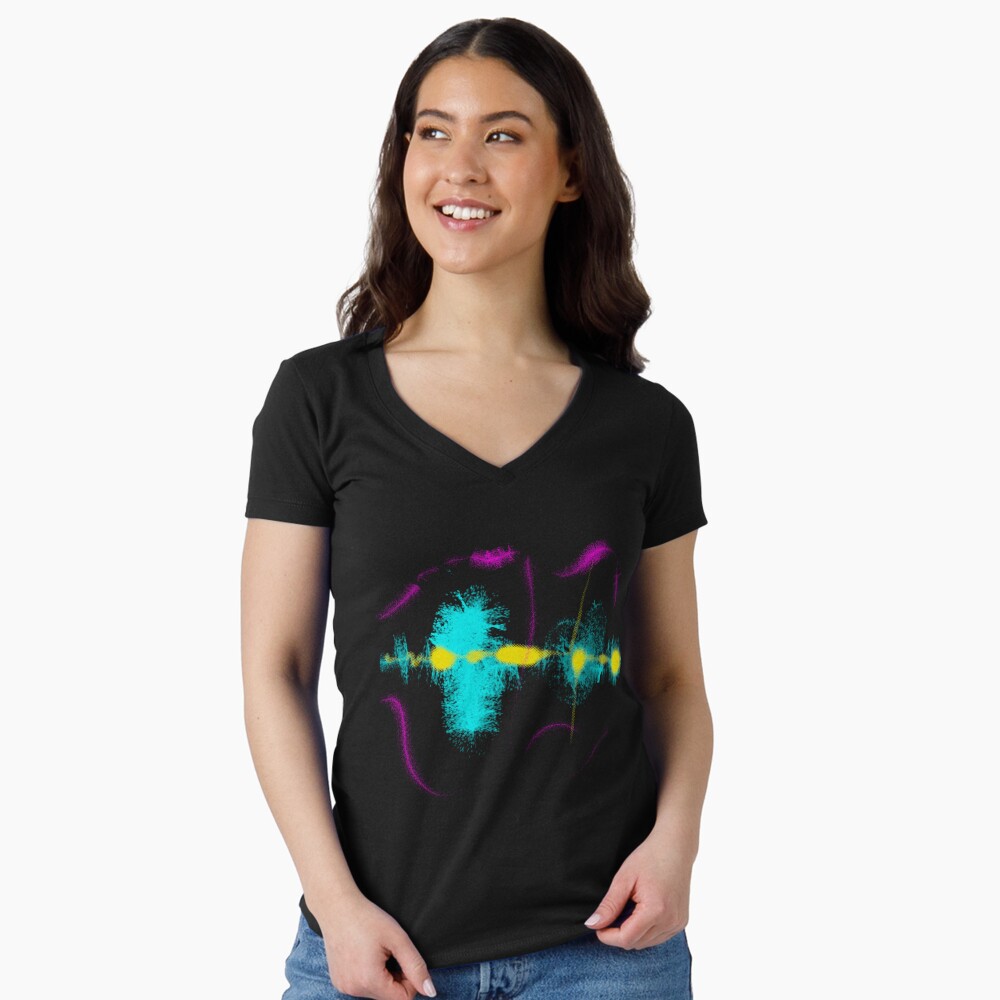
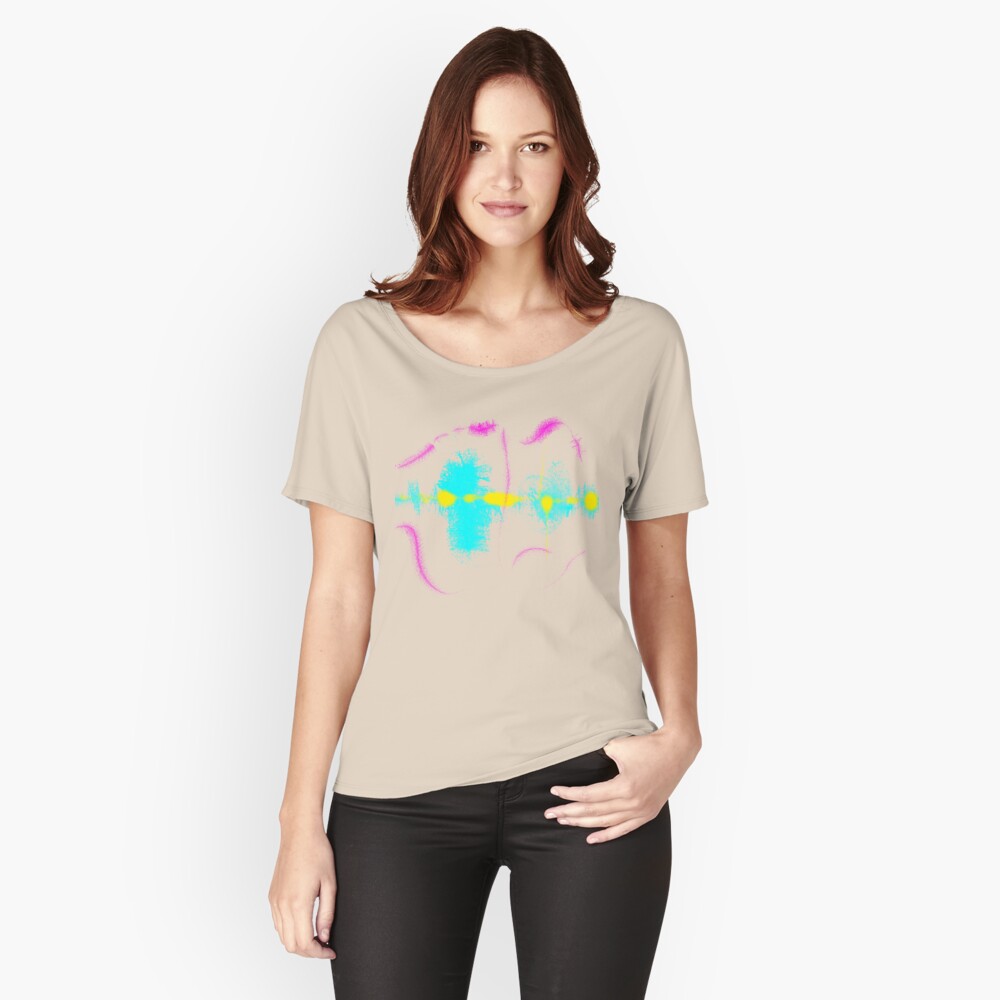
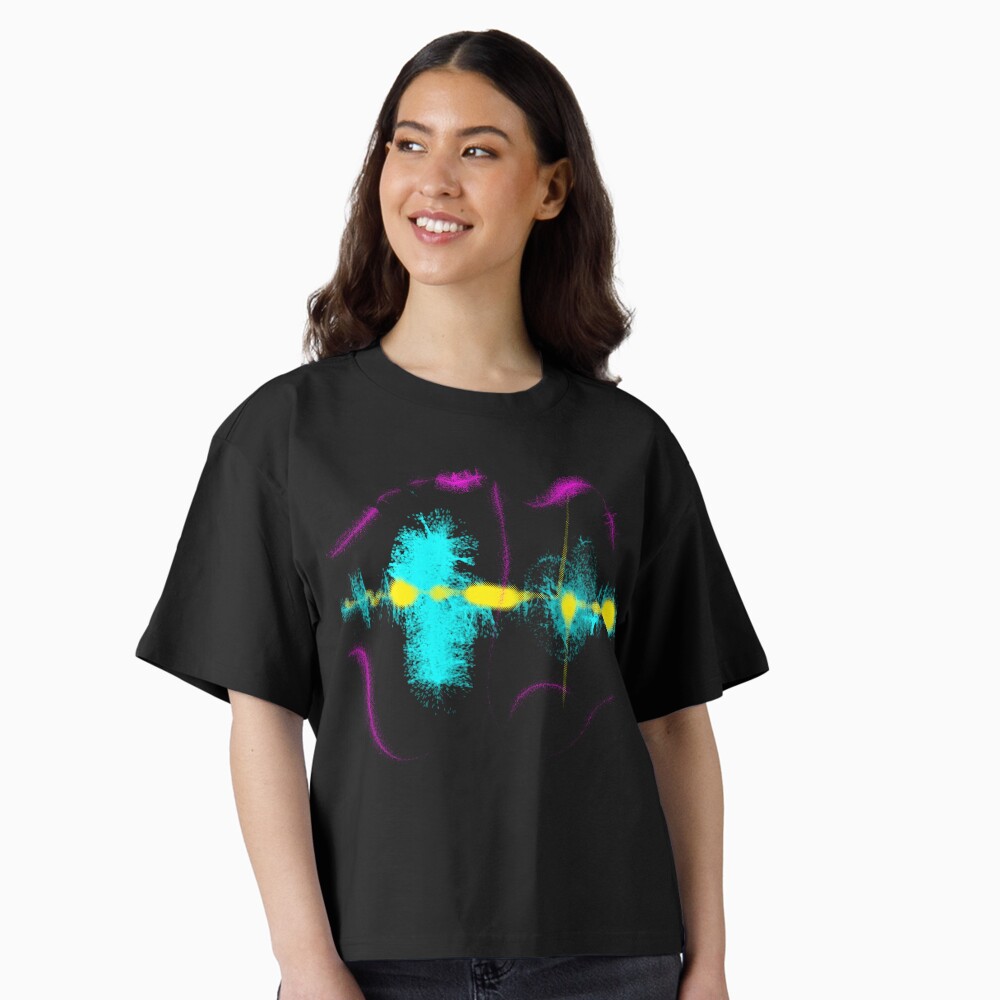
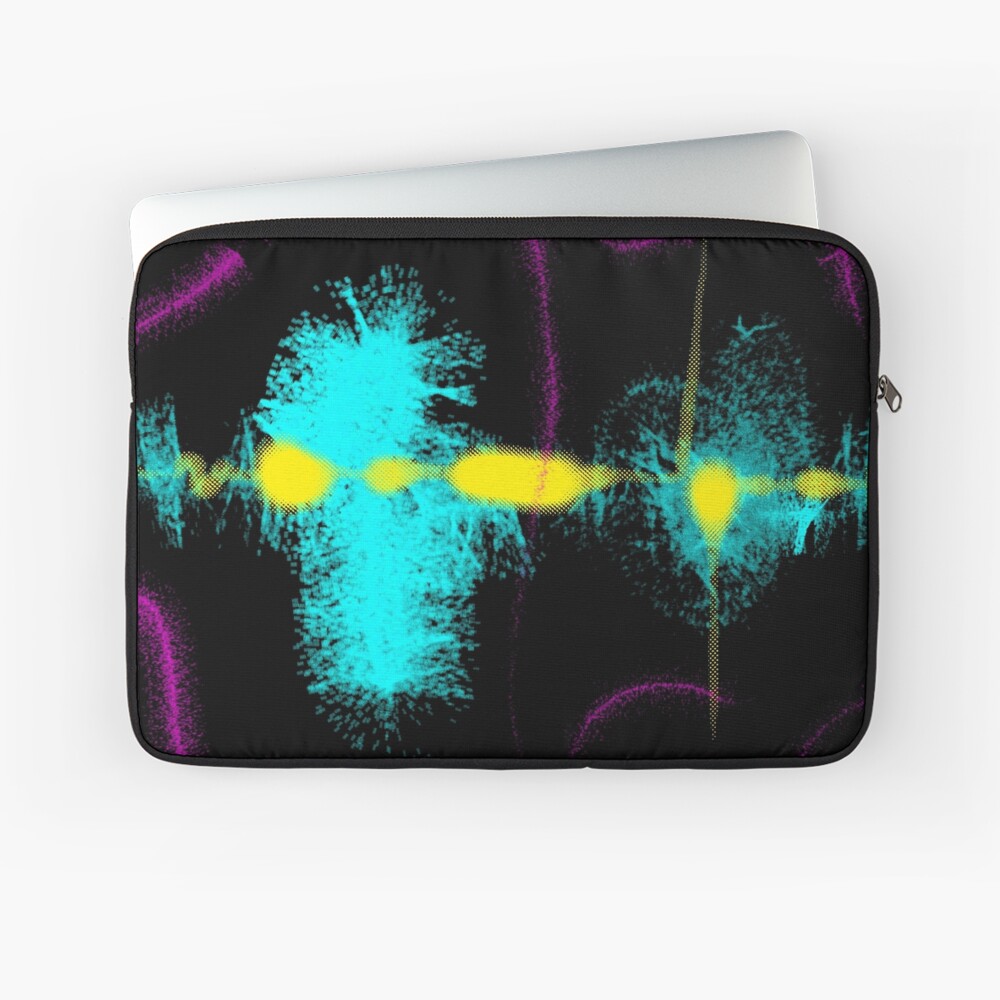
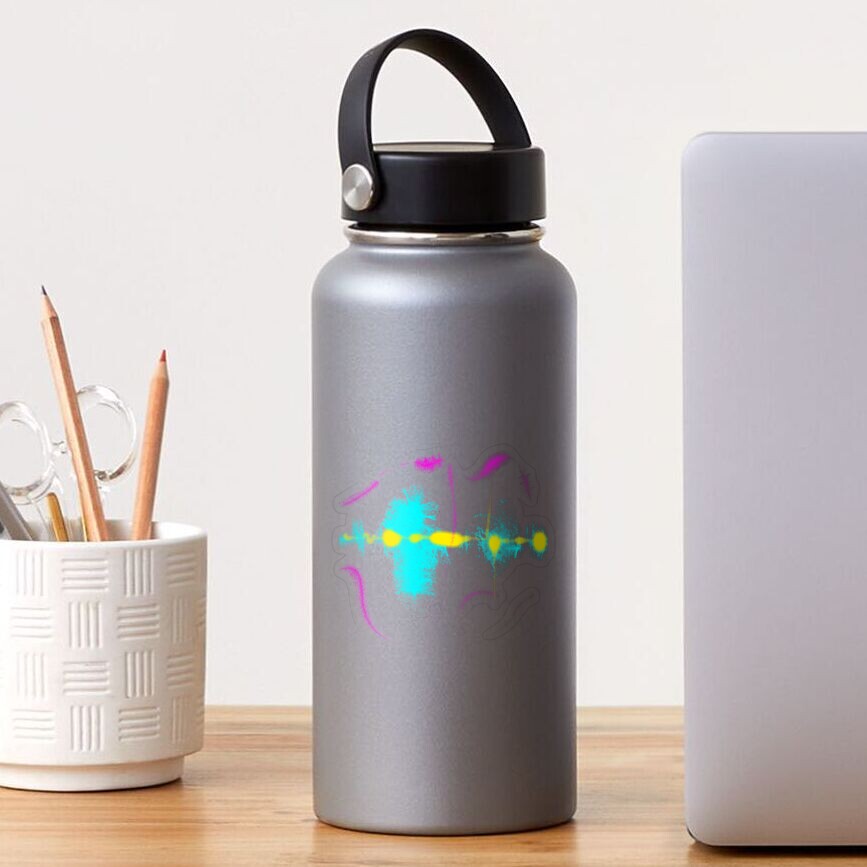
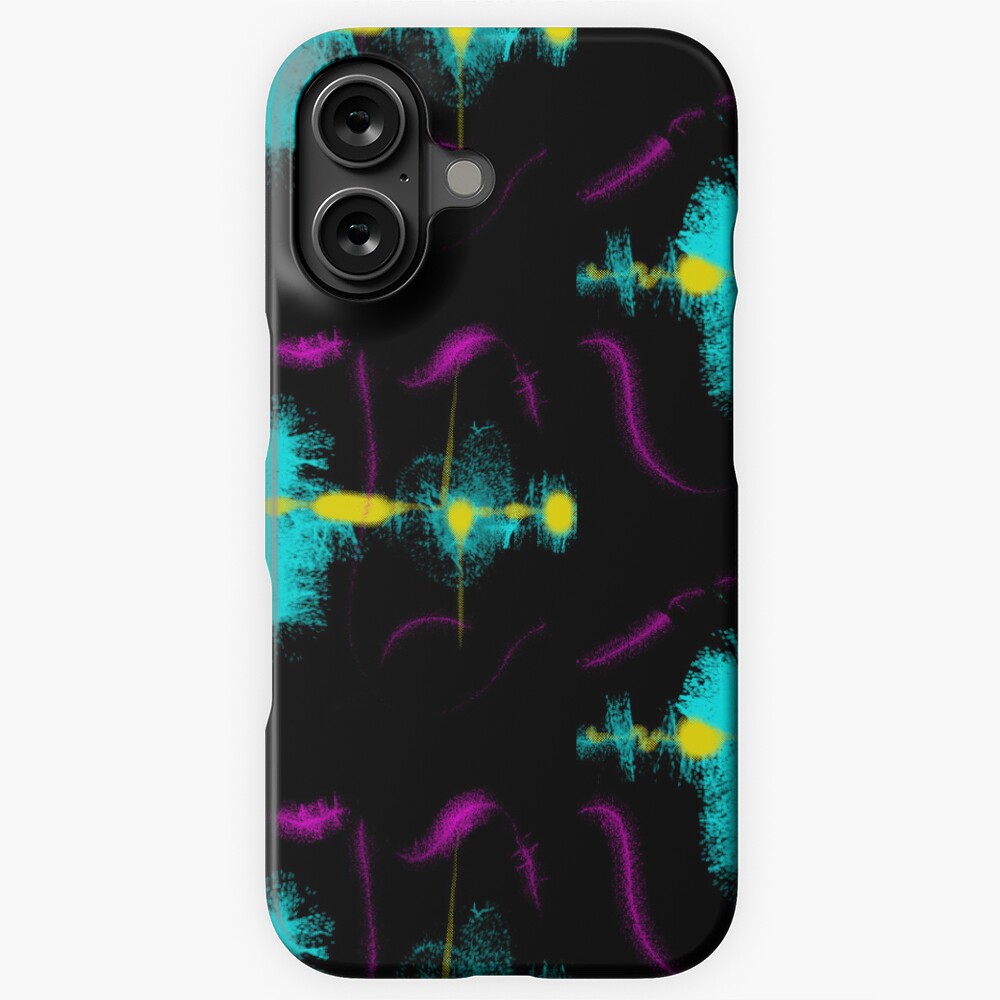
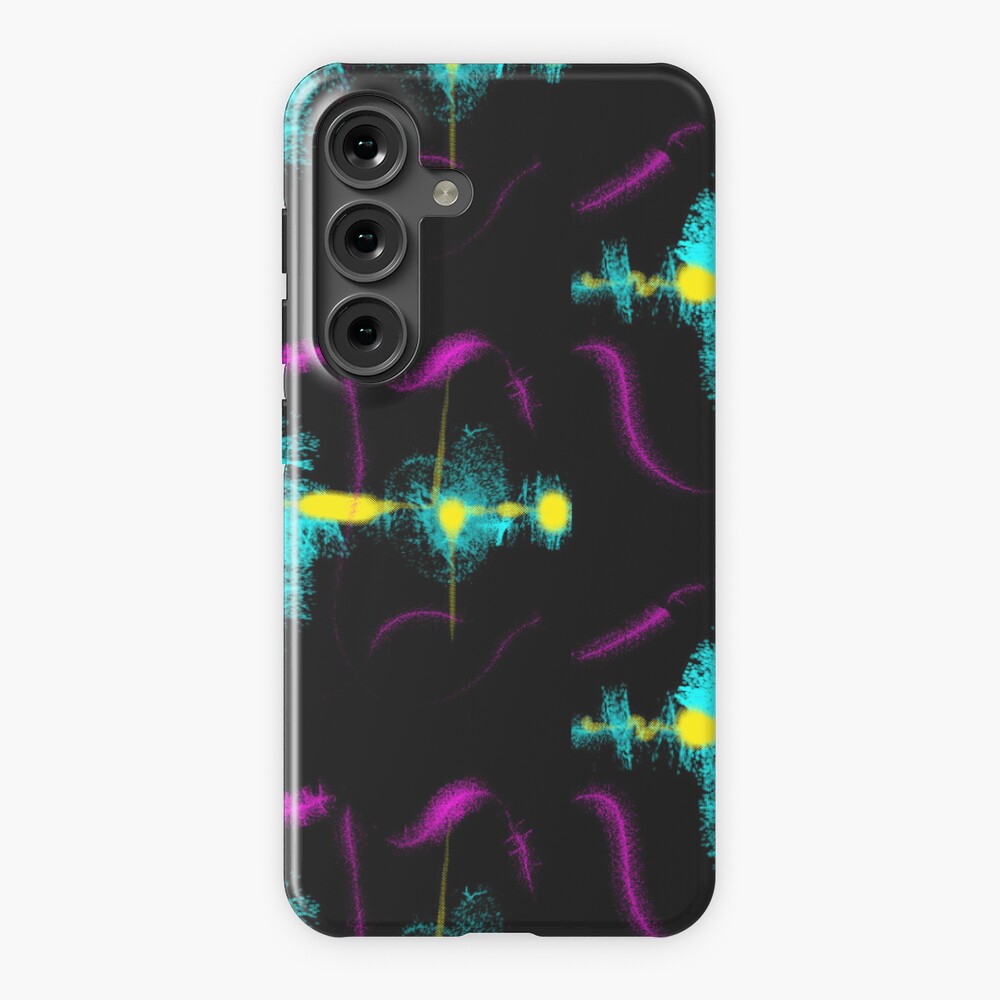
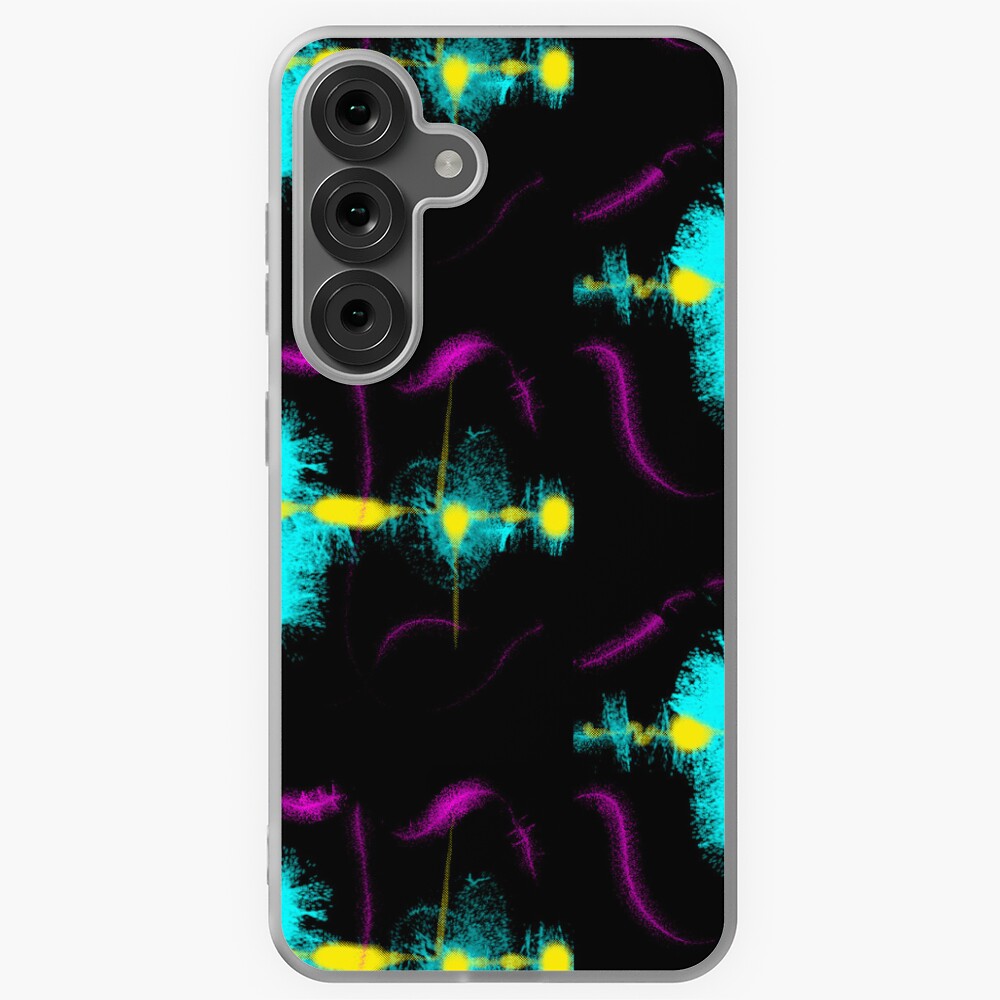
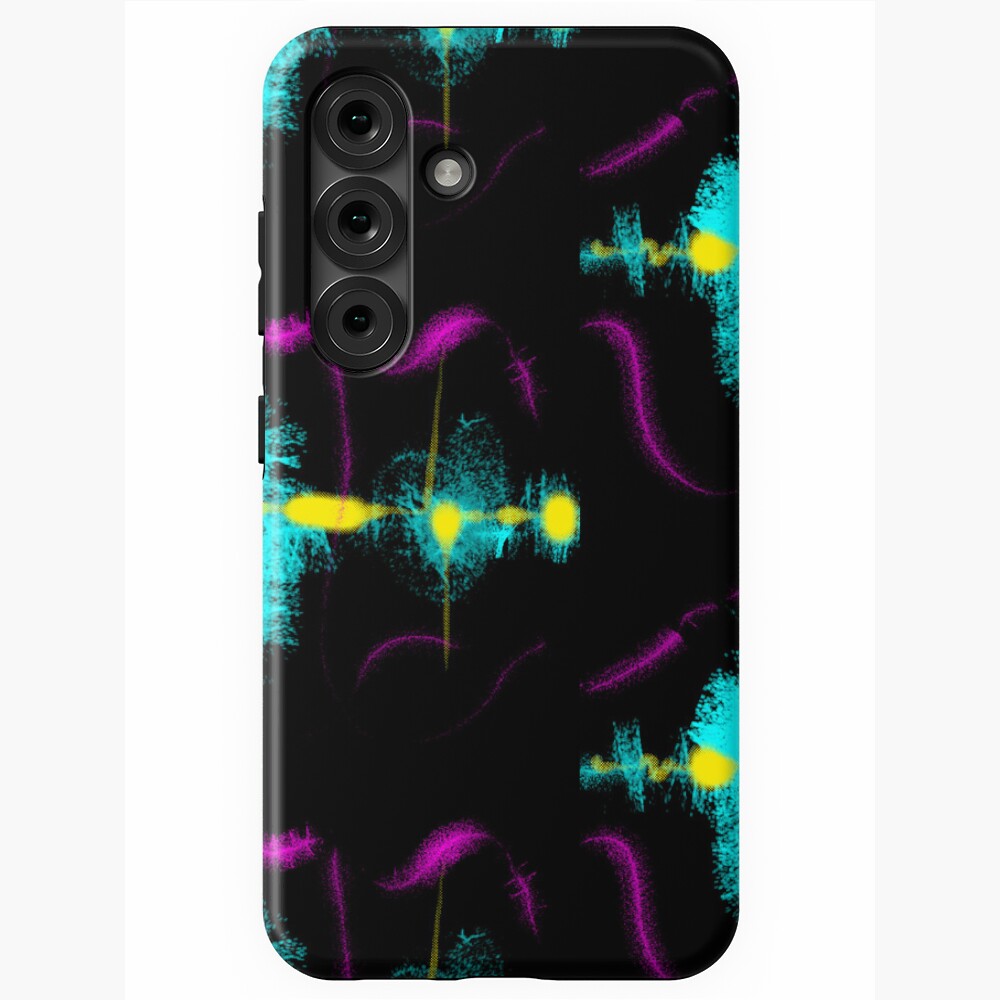
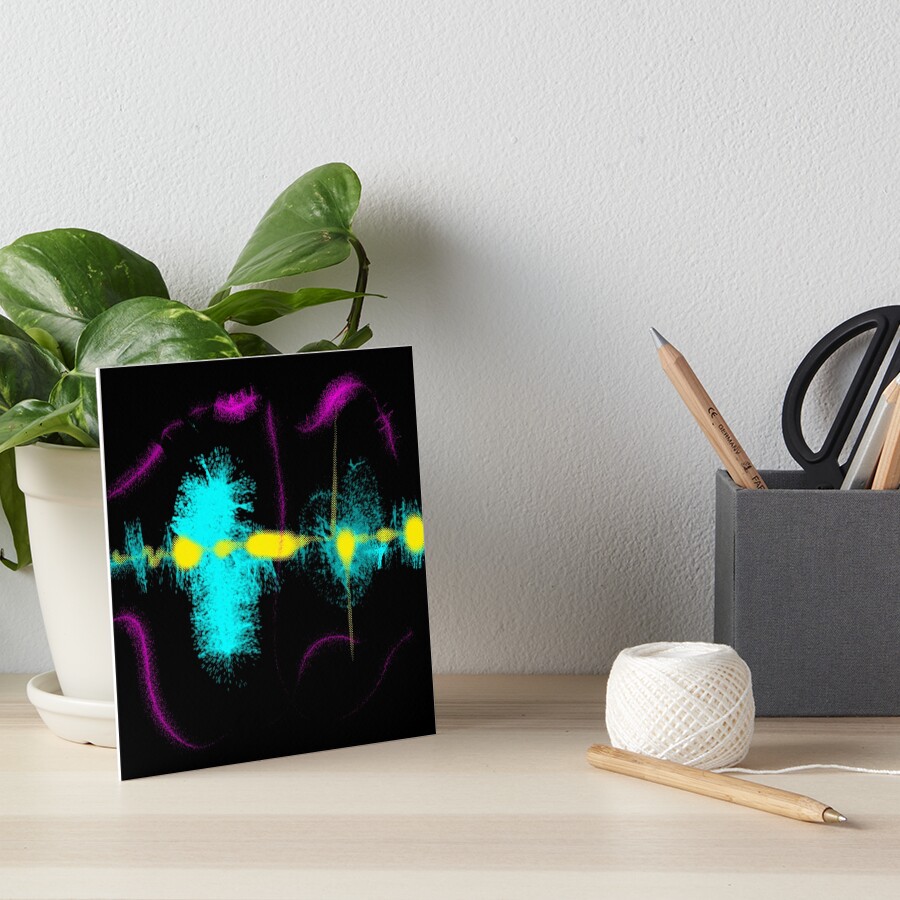
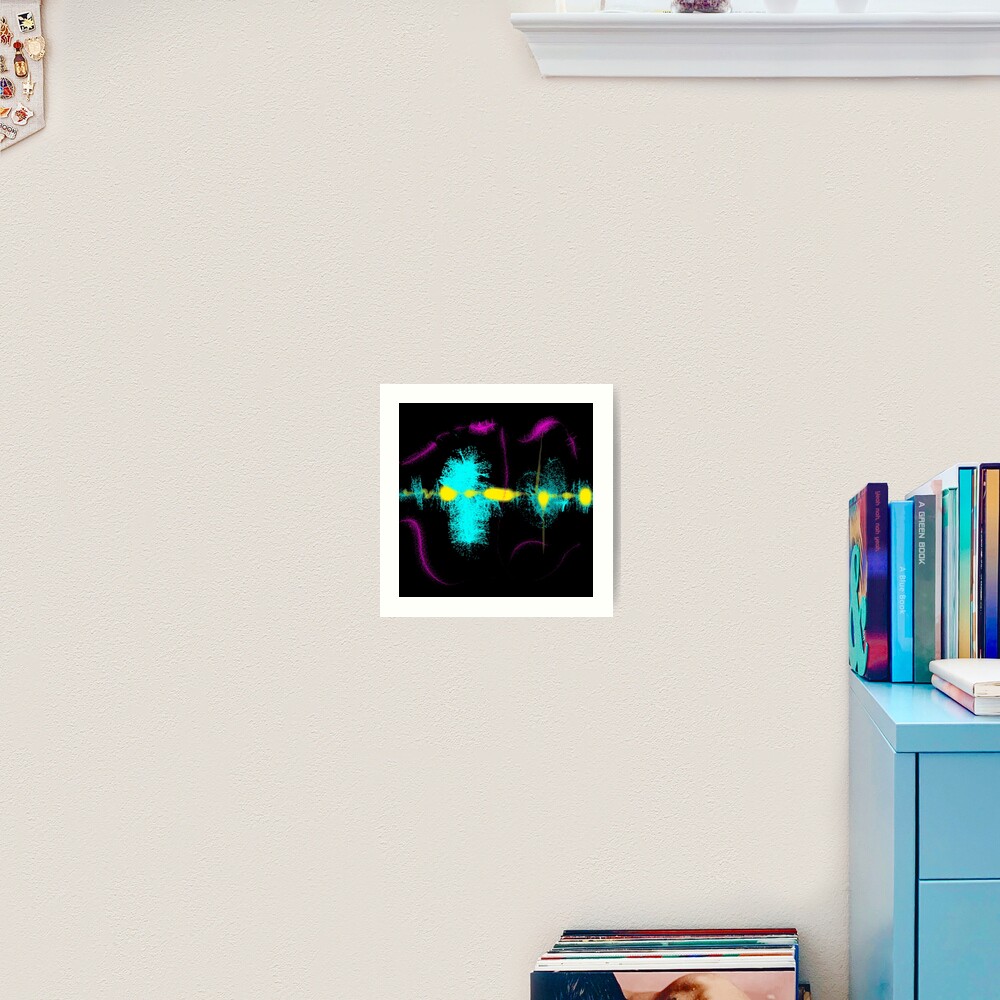
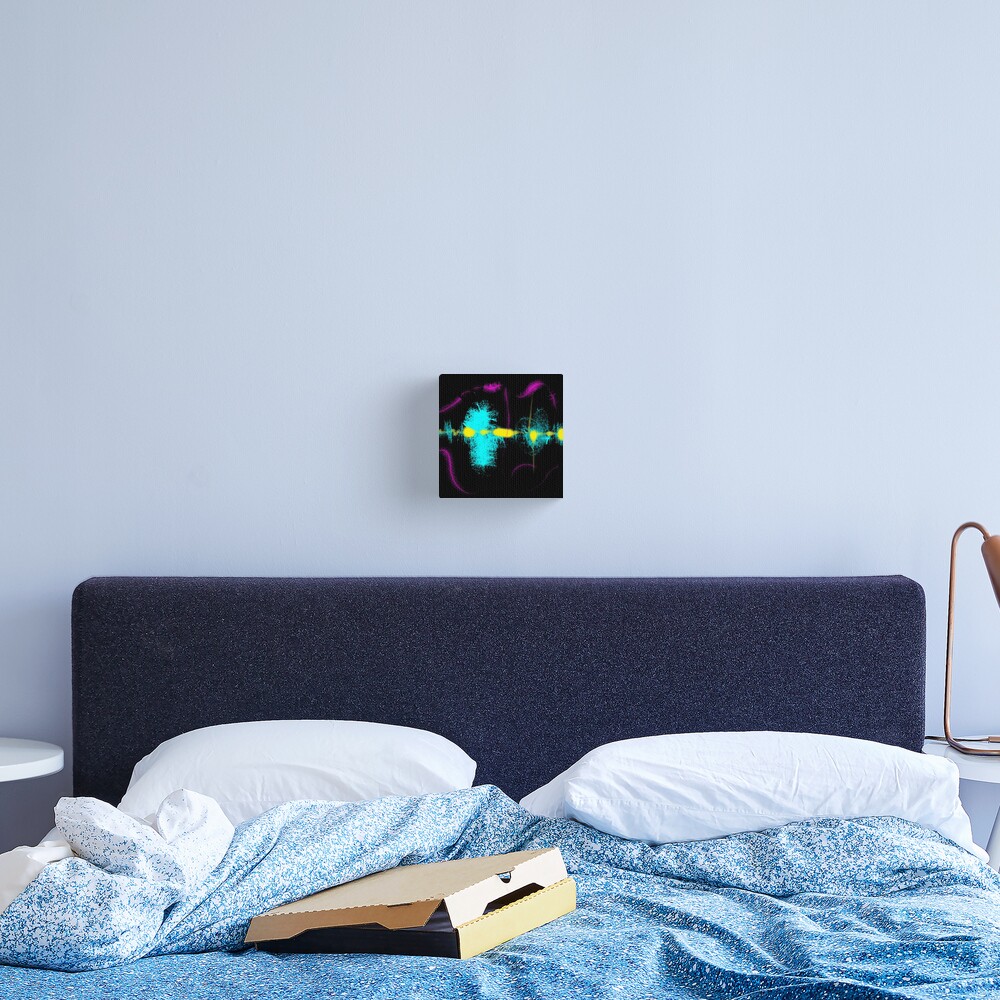
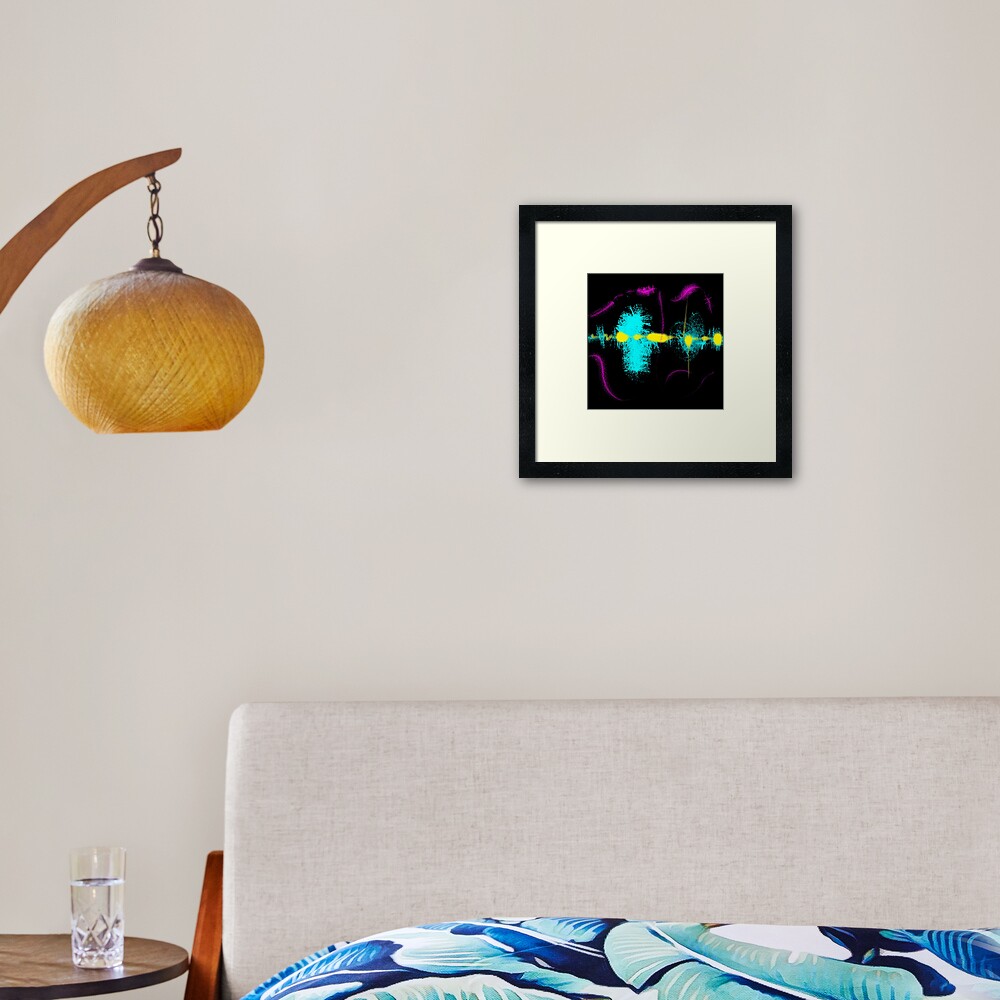
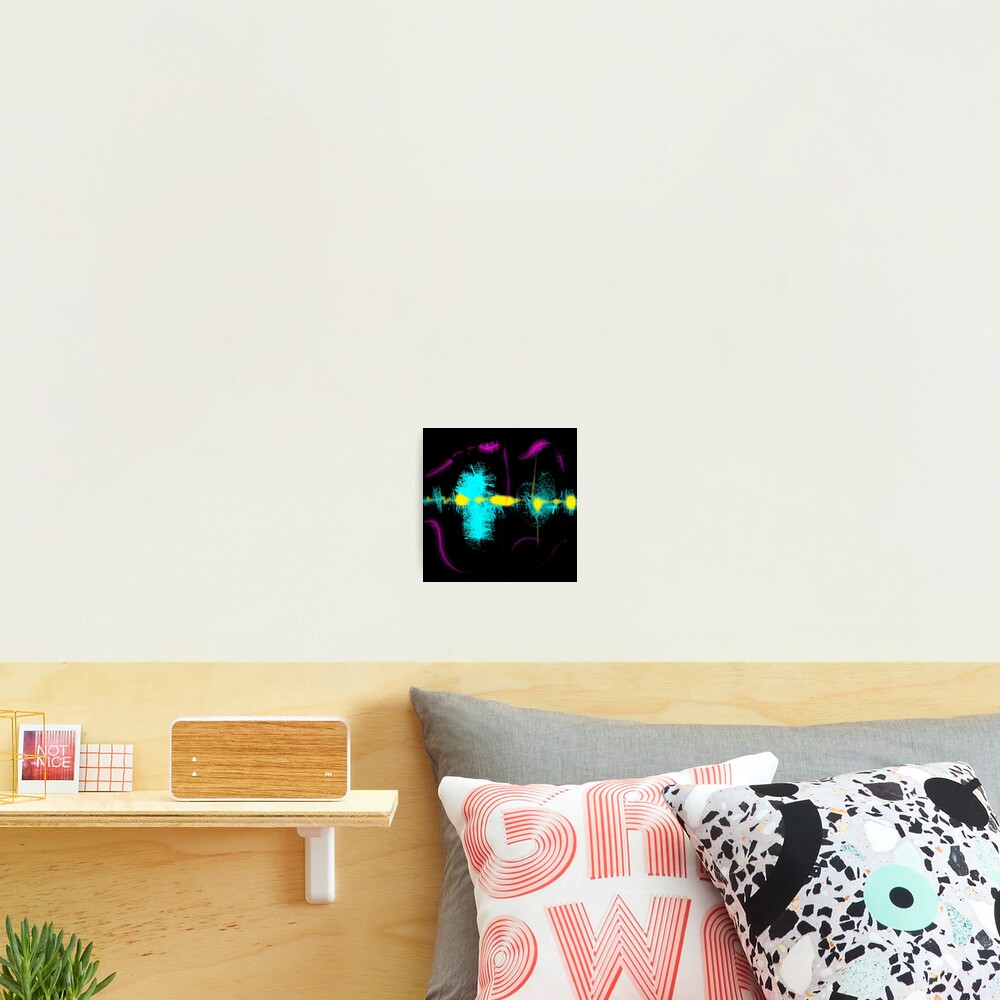
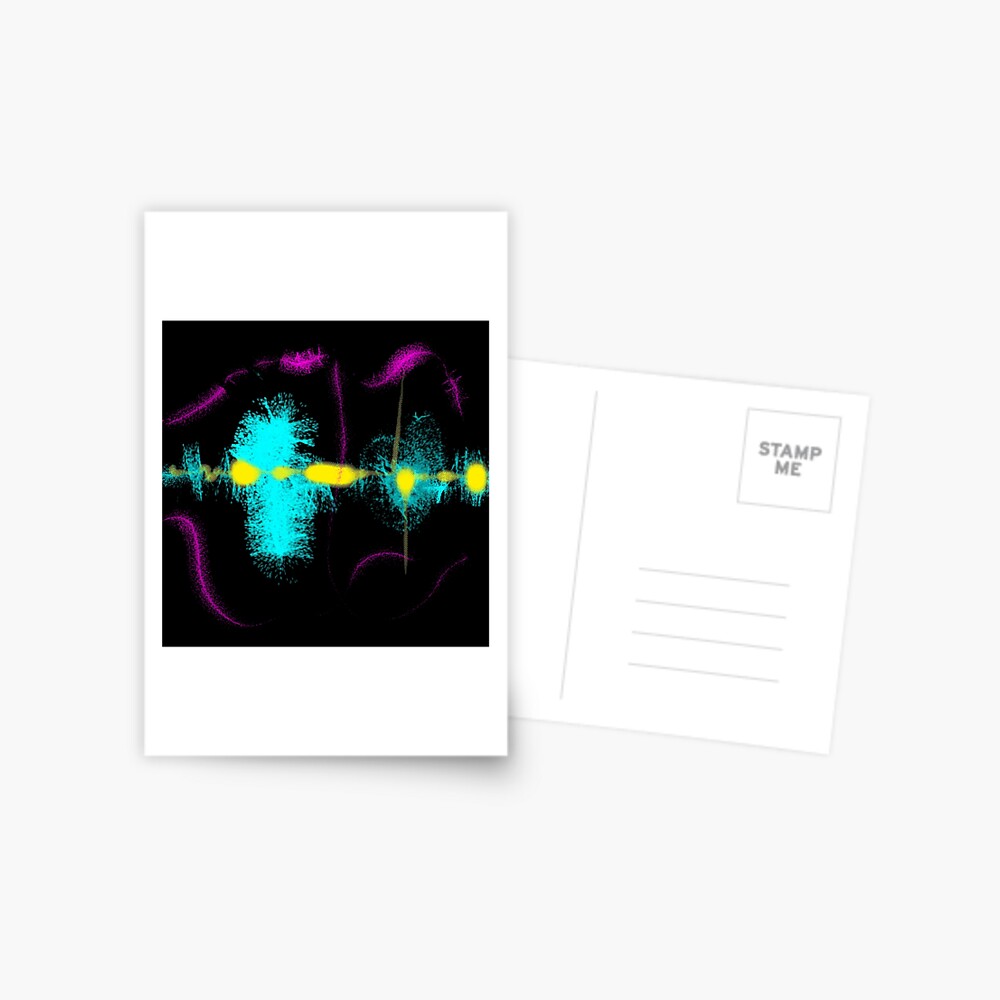
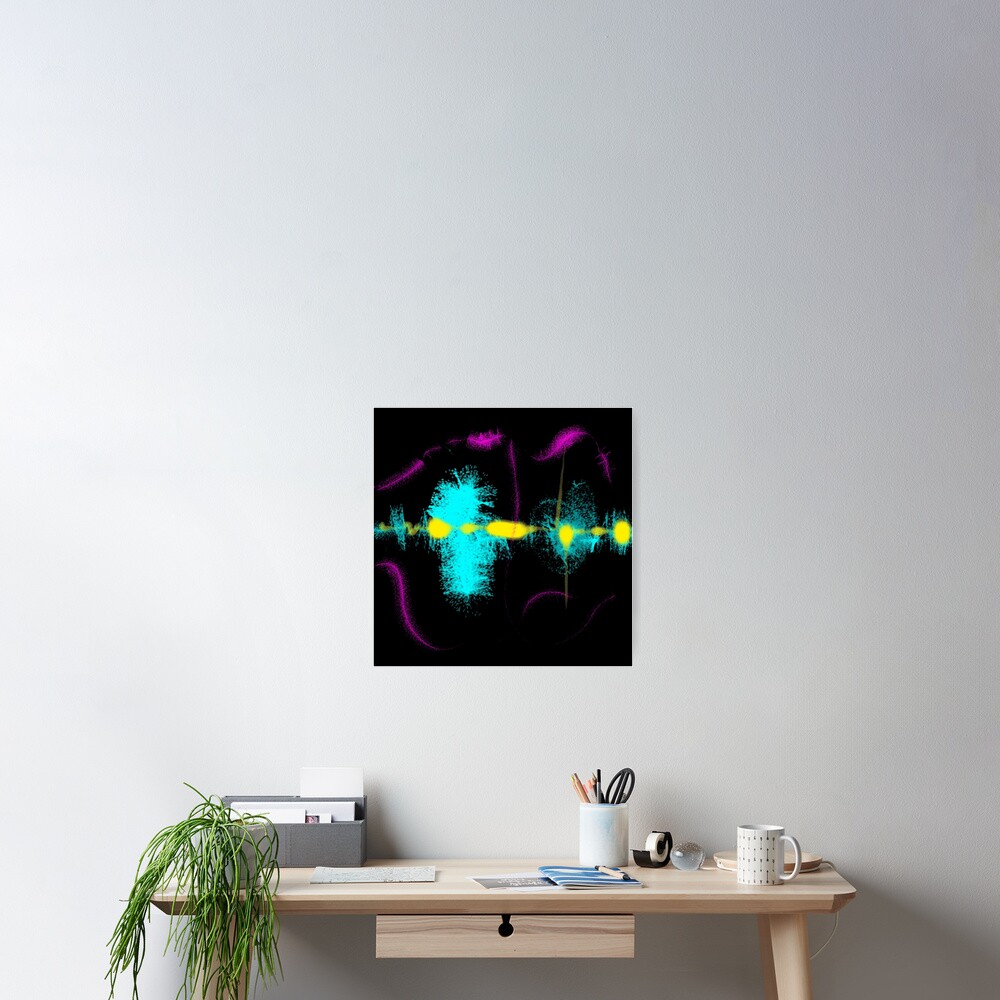
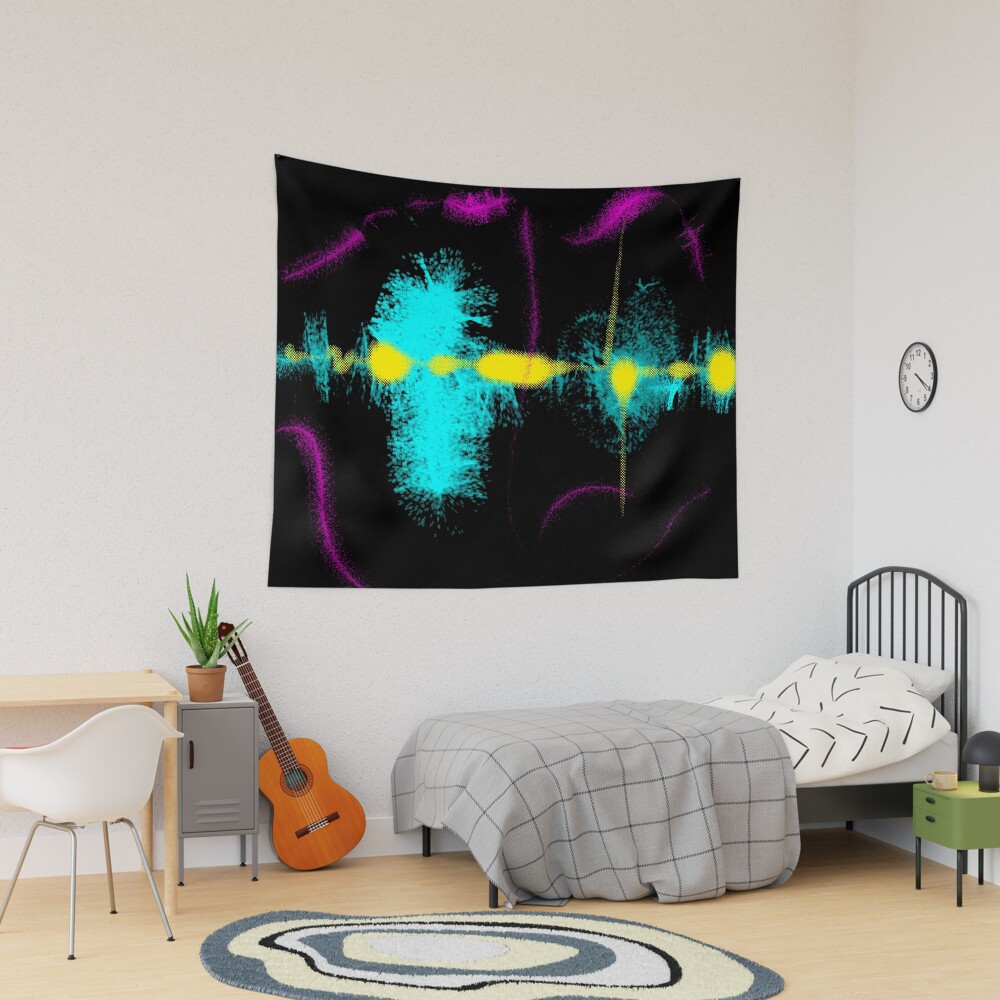
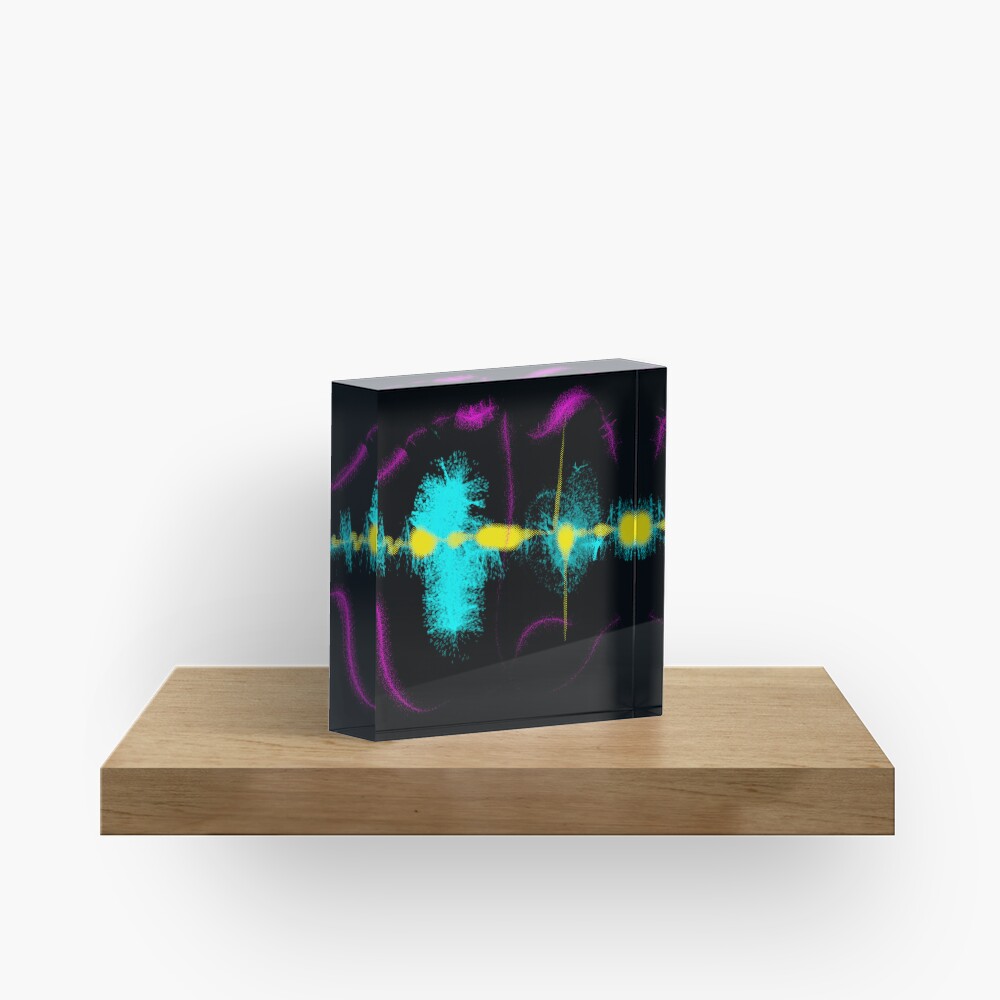
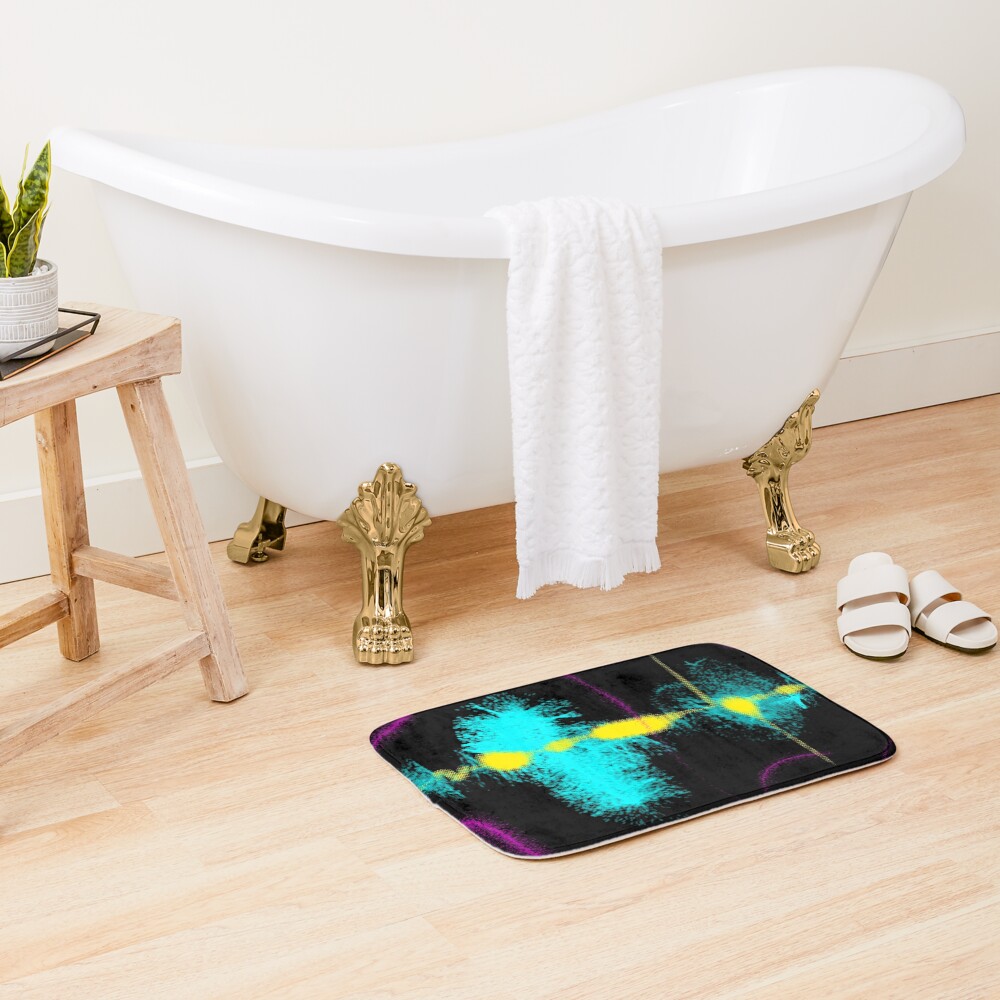
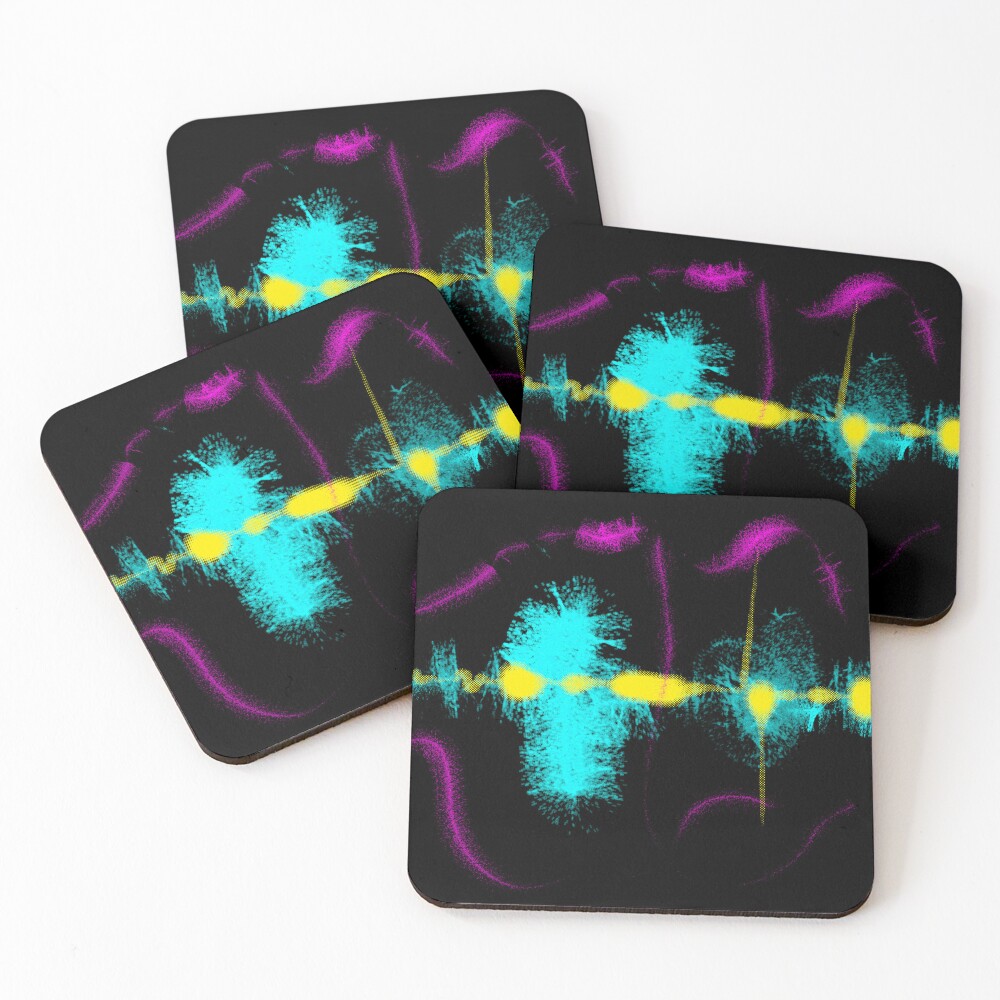
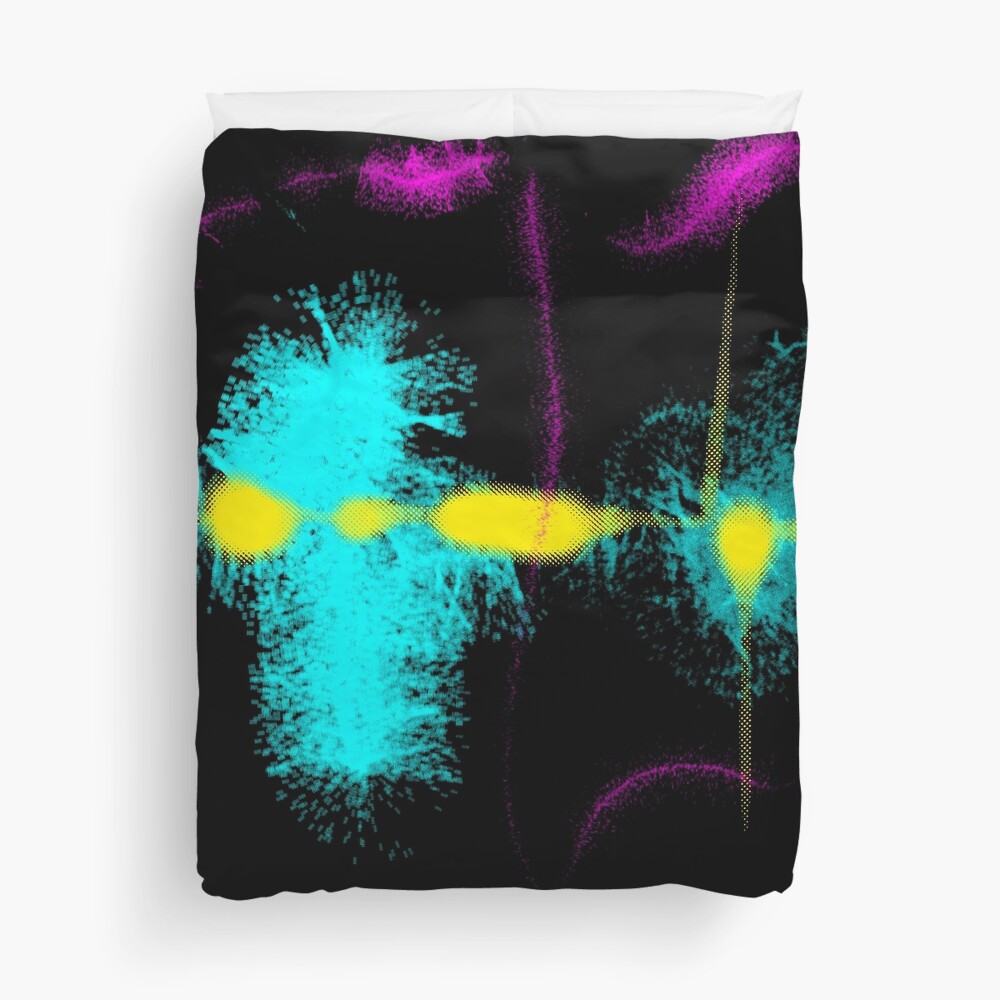
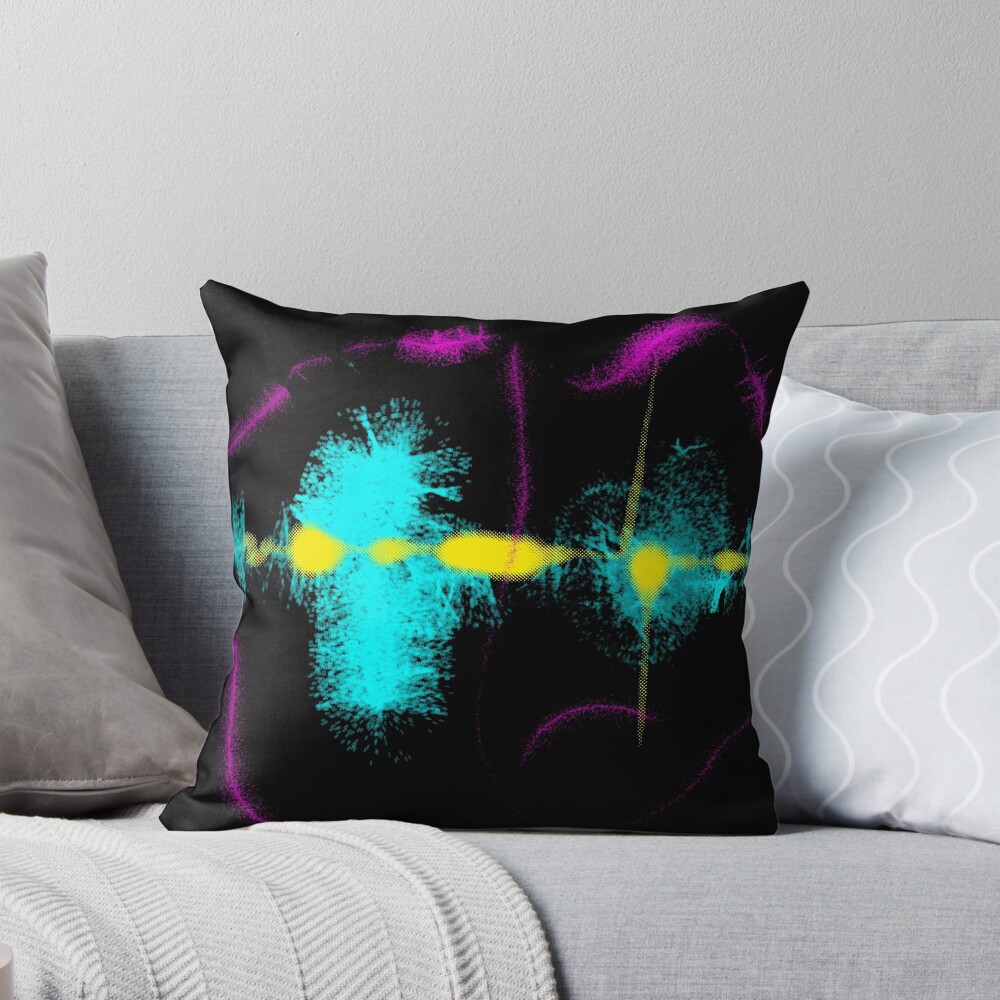
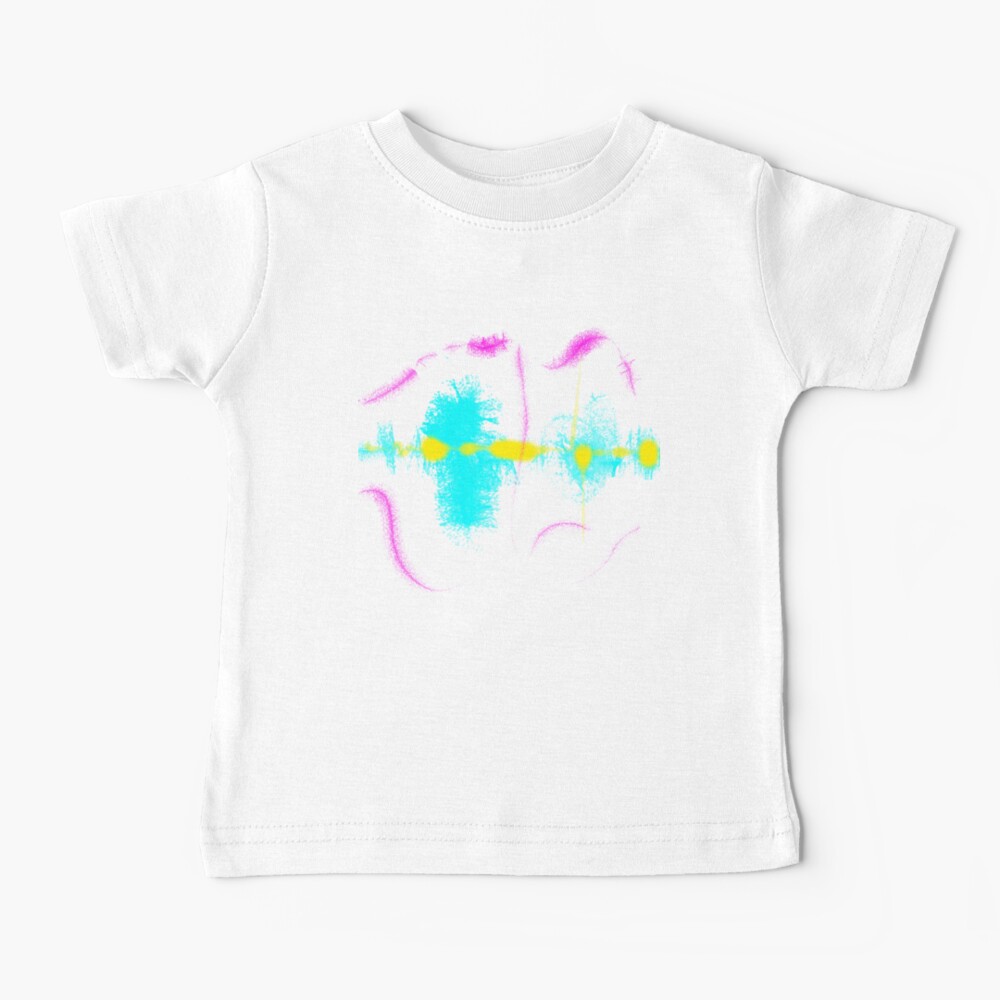
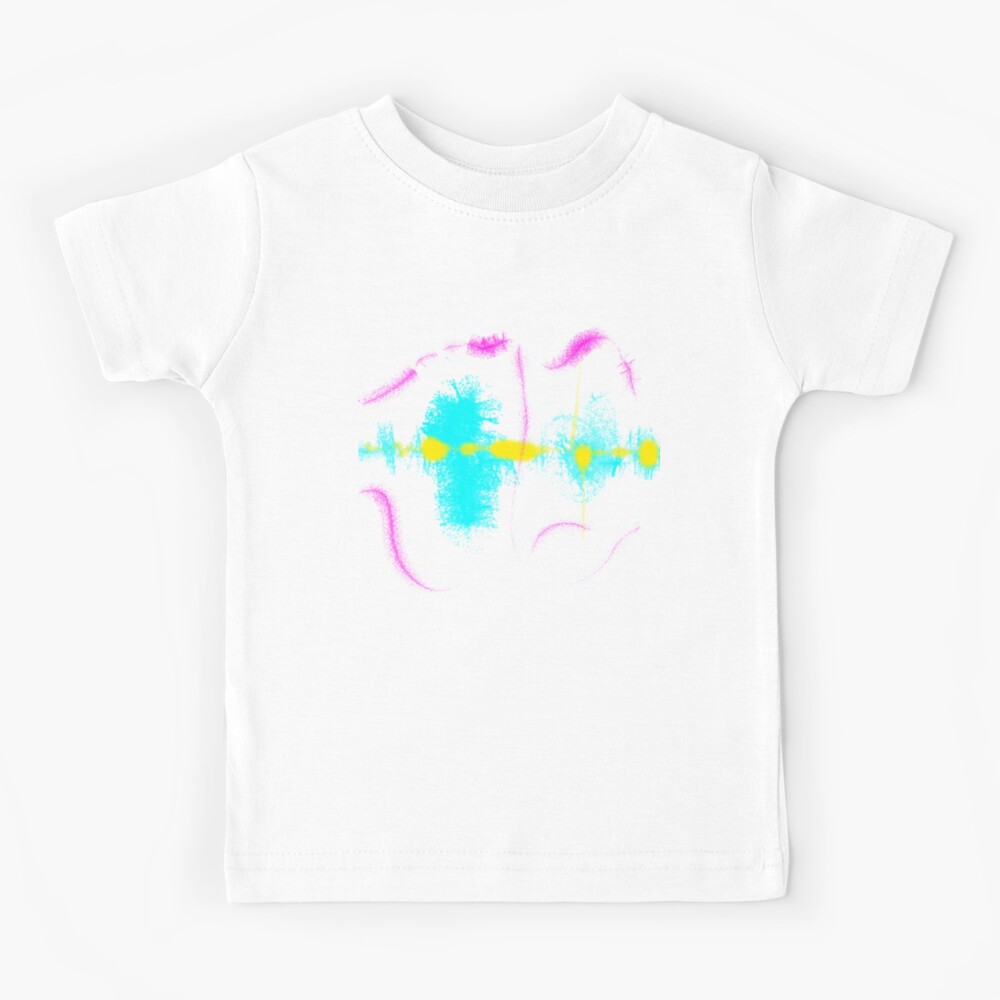
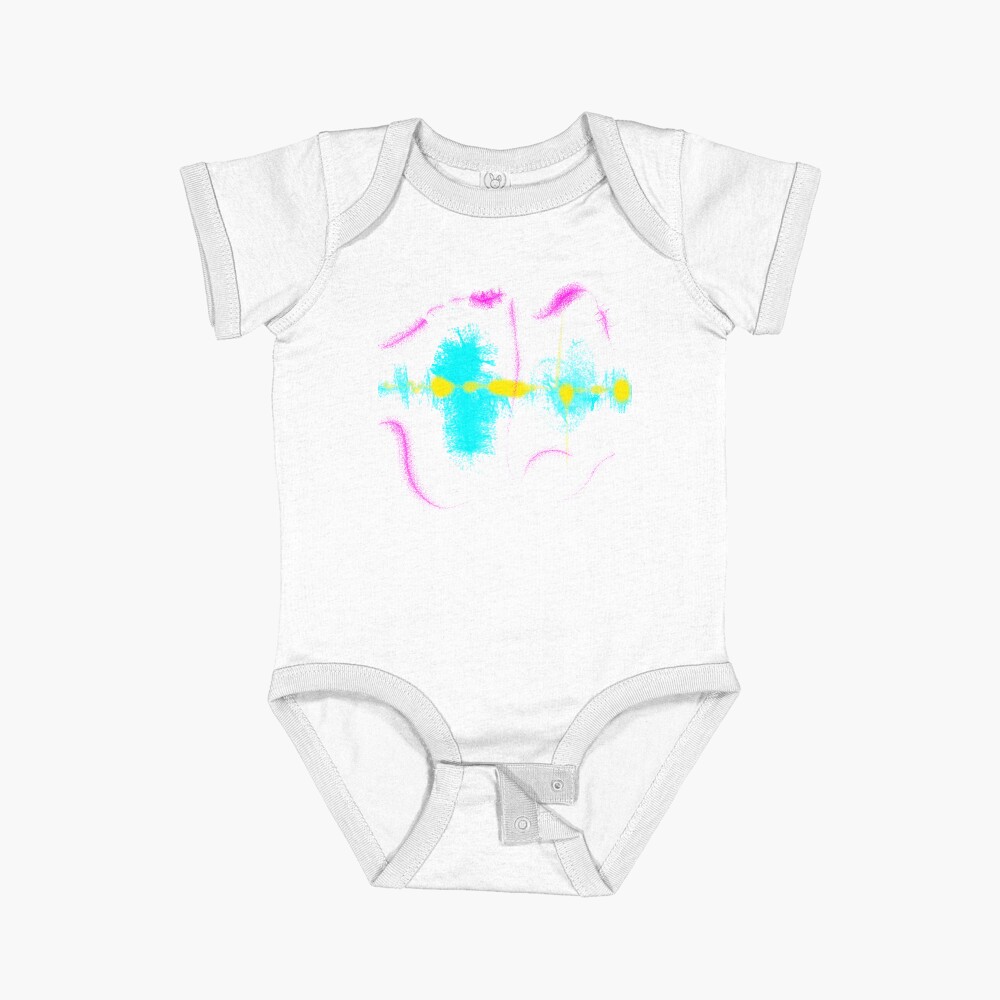
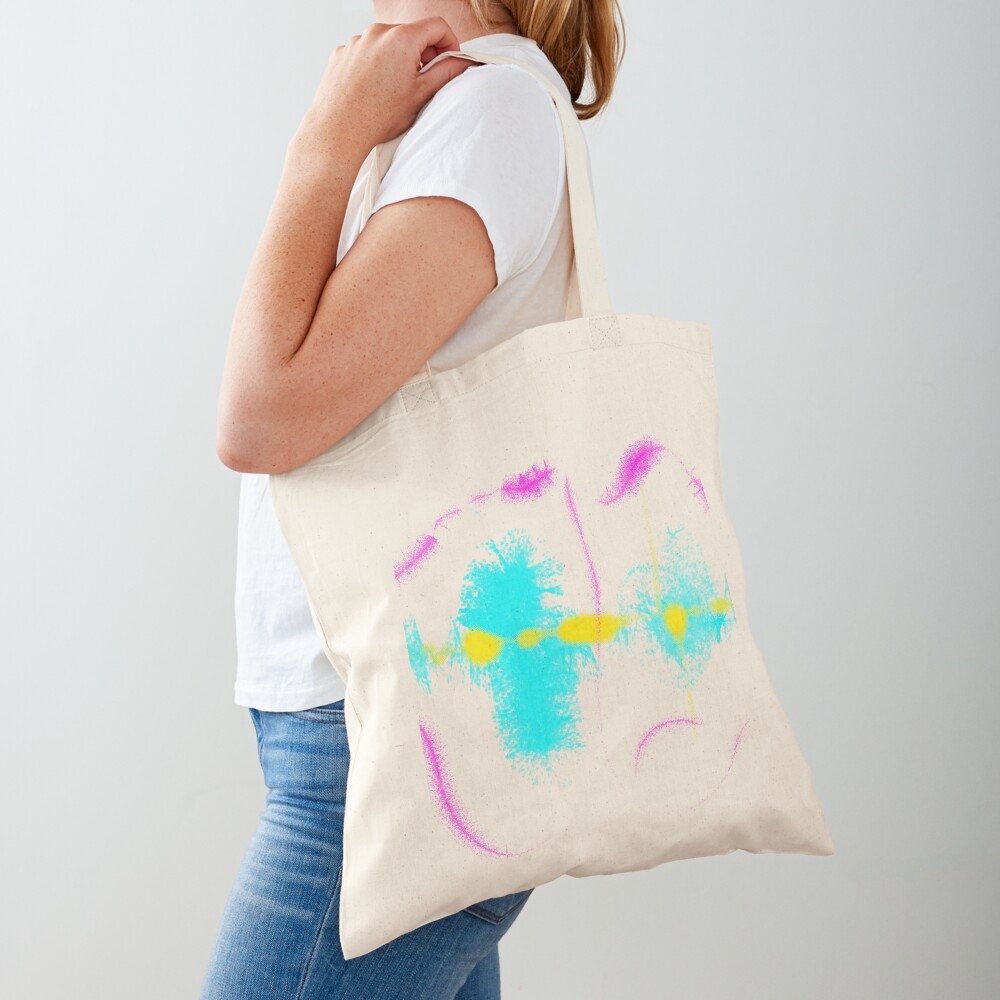
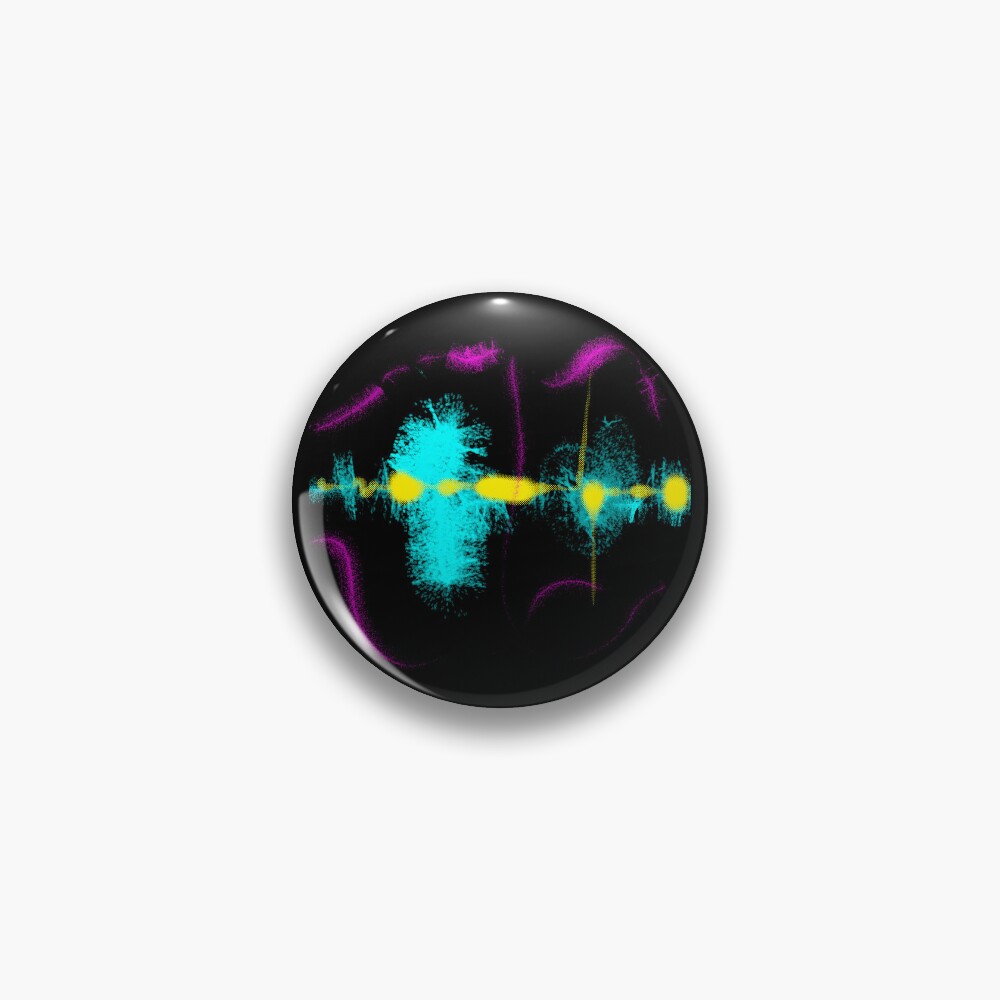
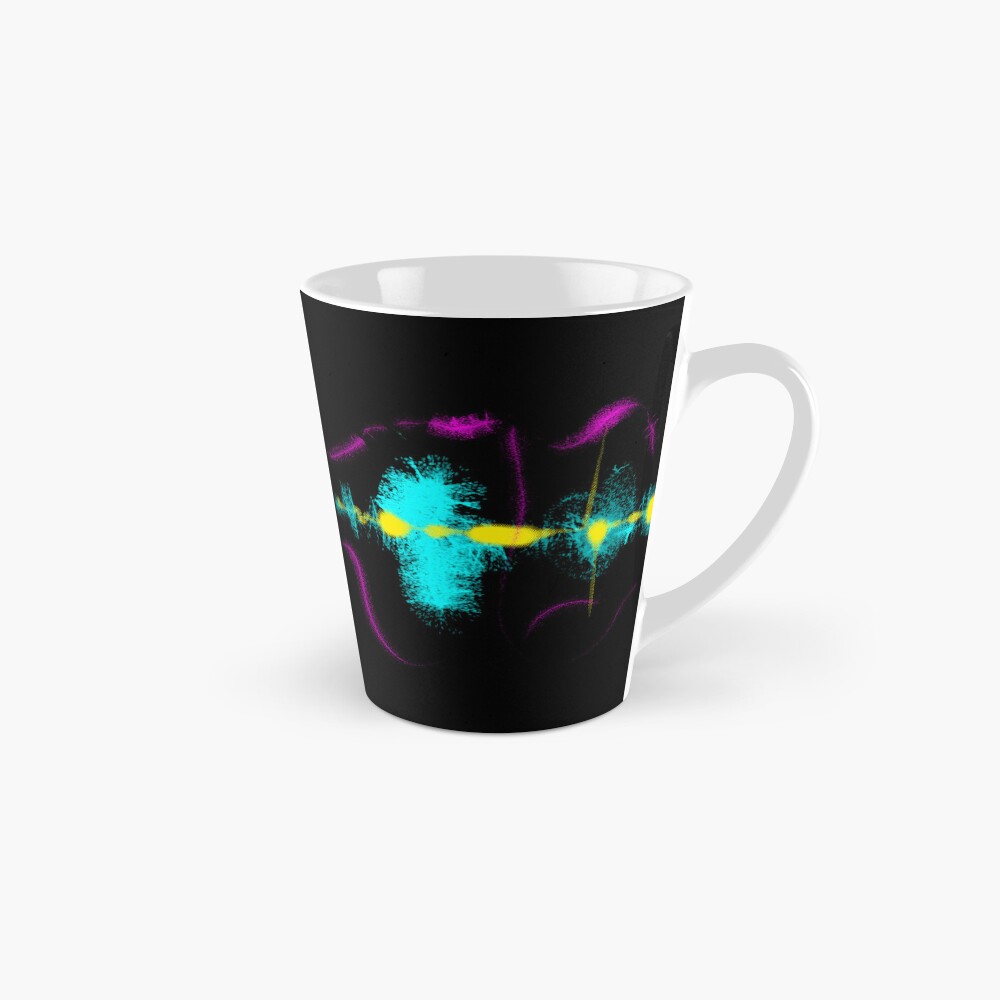
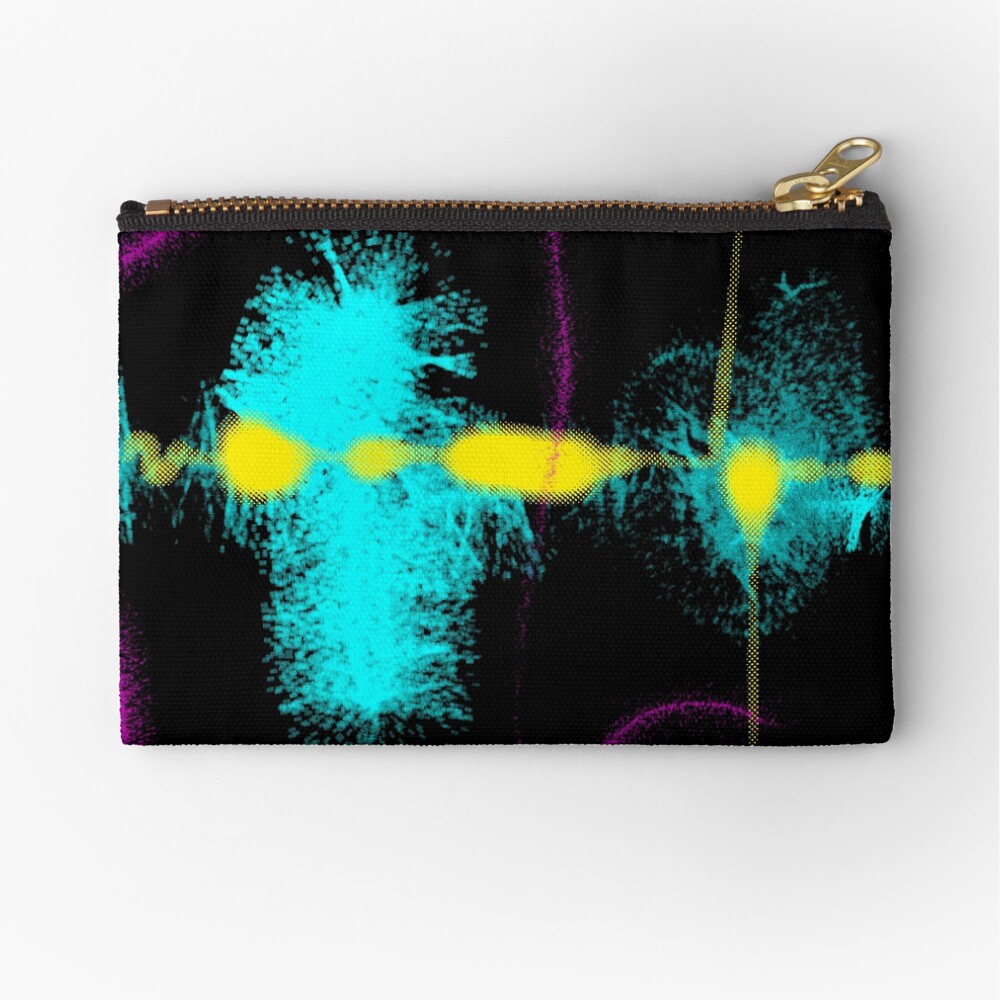
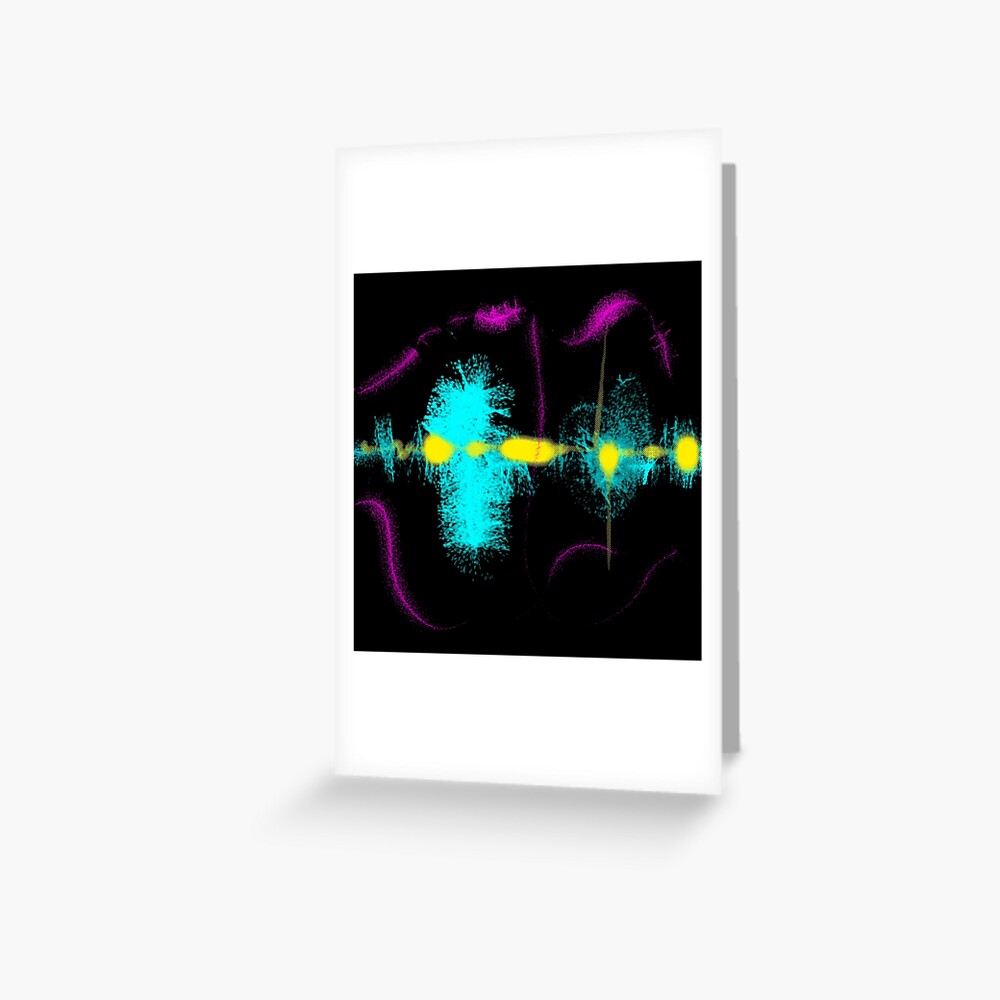
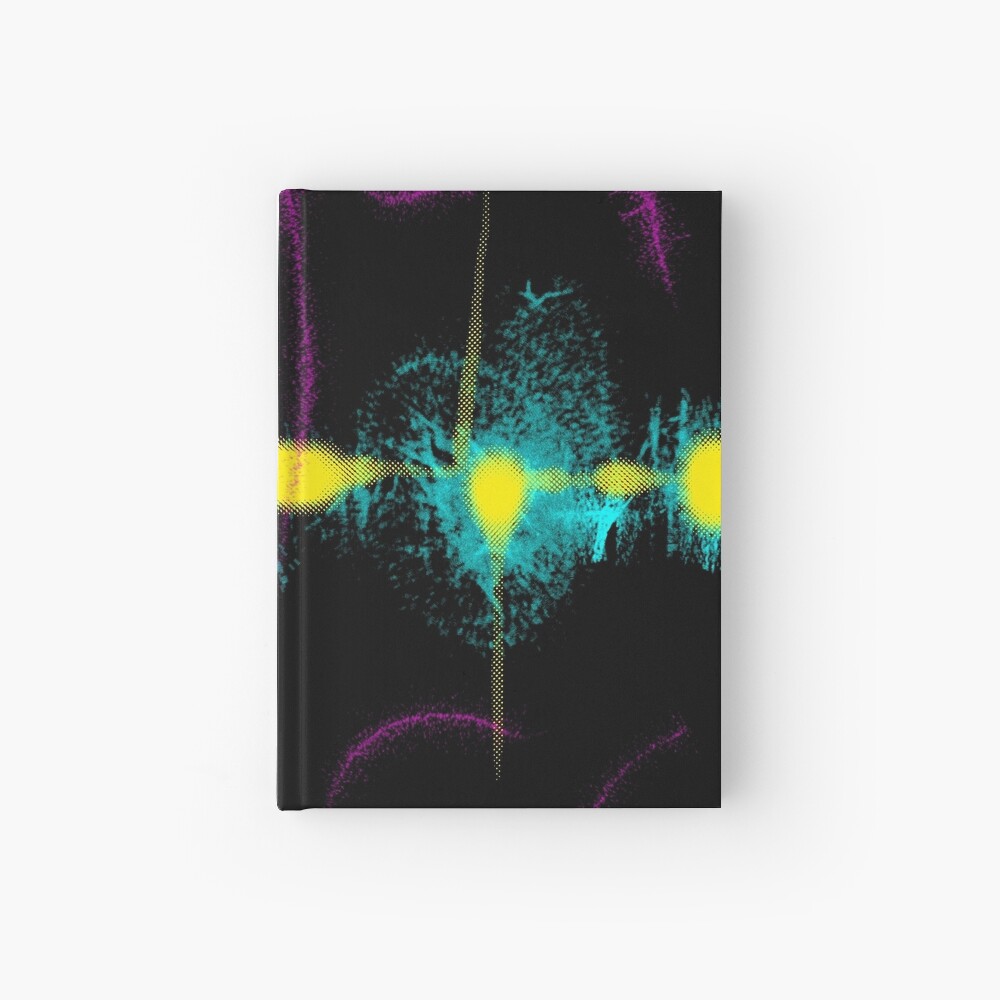
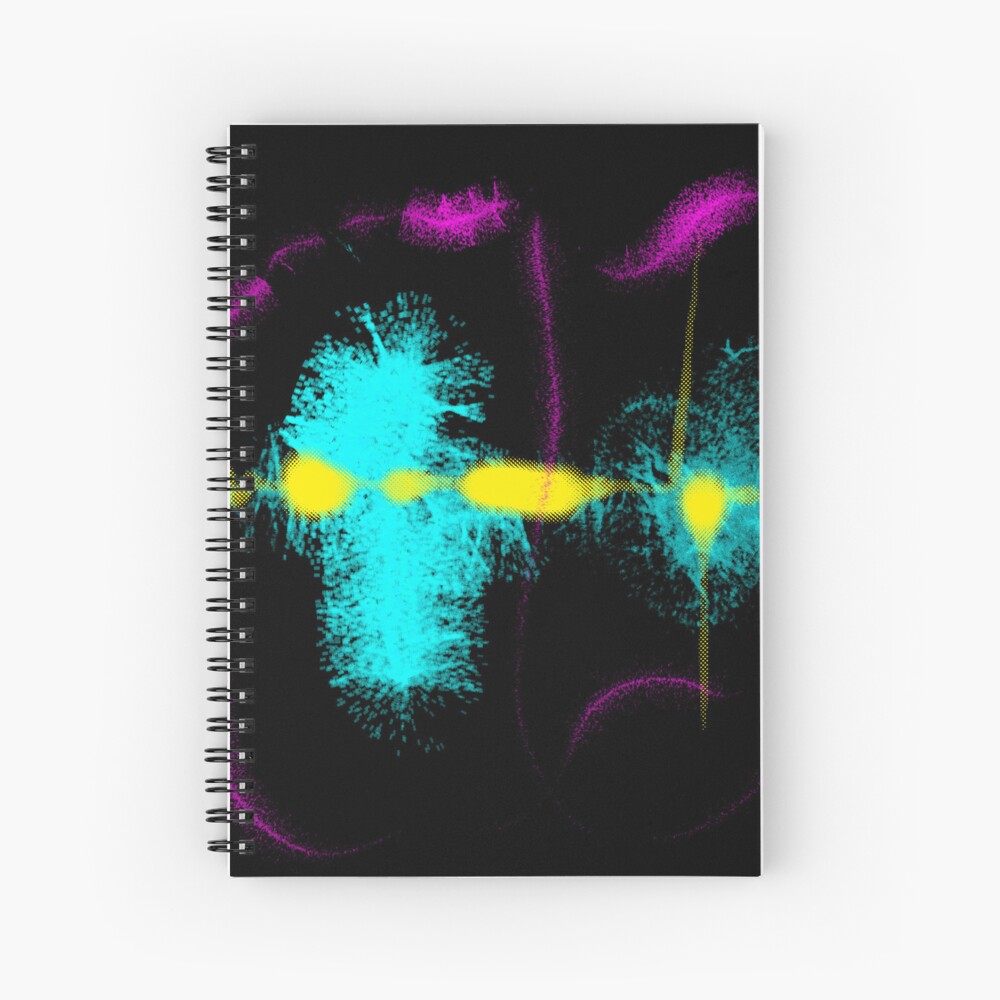
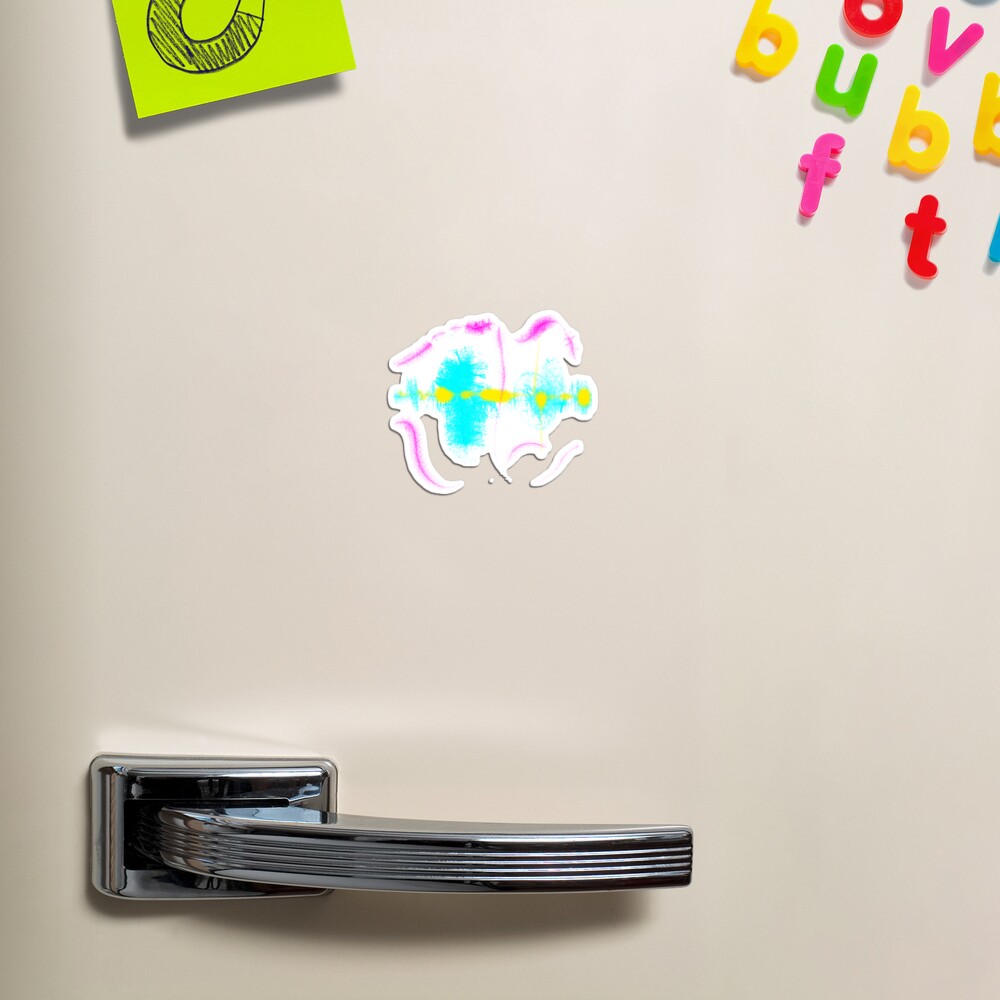
This image is not a score in the traditional sense. There are no clefs, no staves, no fixed pitches insisting on obedience. Instead, what we are looking at is density made visible — energy, concentration, release, accumulation, dispersal.
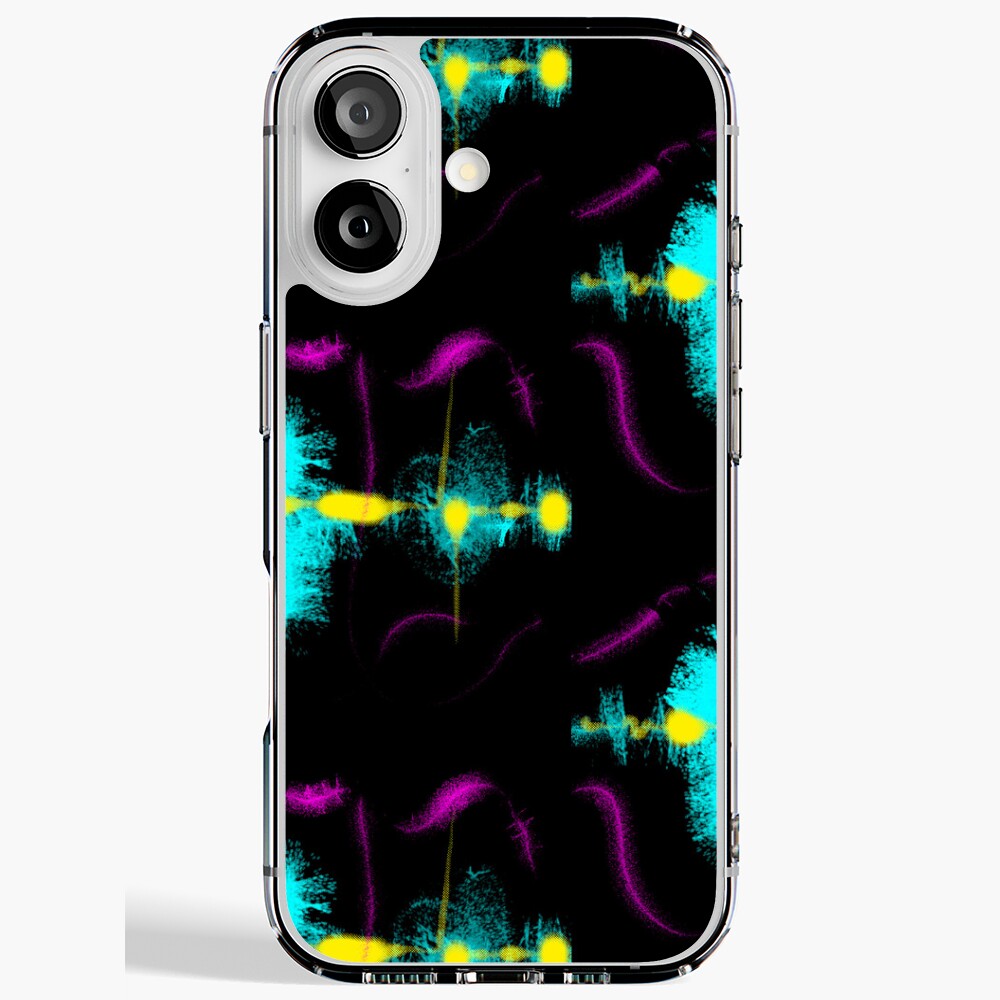
A density score does not tell the musician what note to play. It asks a different question altogether:
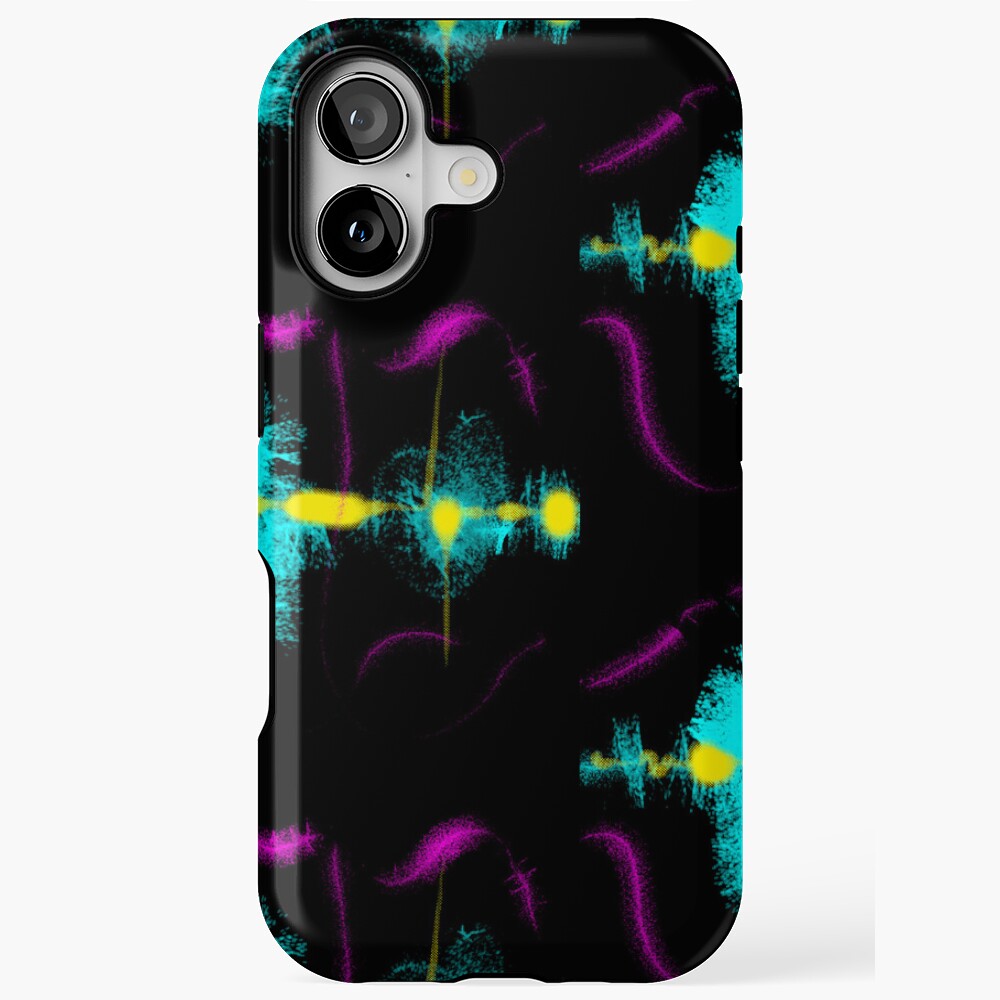
How much is happening — and where?
In this score, sound is imagined as mass. Some areas are thick, almost granular, pressing against the space. Others are sparse, breath-like, suspended. Density replaces pitch as the primary organising principle. Time is still present, but it is elastic. Gesture matters more than correctness. Attention matters more than accuracy.
For the performer, this creates an immediate shift in mindset. Instead of decoding symbols, the musician listens inwardly. They decide how to translate density into sound — through texture, repetition, pressure, register, speed, or silence. A dense area might become clustered notes, tremolo, noise, double-stops, rhythmic saturation, or harmonic stacking. A thin area might resolve into single tones, long bows, isolated piano notes, or breath between sounds.
What emerges is not one piece, but many possible pieces, all born from the same visual source.
Density scores are profoundly accessible. They do not privilege advanced notation literacy, yet they remain musically sophisticated. A beginner can respond instinctively. An advanced musician can explore nuance, restraint, and control.
For neurodivergent players, density scores are particularly powerful. They reduce symbolic overload. There is no fear of “wrong notes,” no punitive structure. The eye can rest on colour, contrast, and flow. The brain is invited to translate sensation rather than comply with instruction.
For ageing musicians — or those returning to music after long gaps — density scores remove shame. They honour lived experience. They allow sound to be shaped by the body as it is now, not as it once was.
This score does not demand speed, virtuosity, or endurance. It rewards presence.
A density score can become a daily practice companion. The musician might choose a different instrument, register, or limitation each day:
– only open strings
– only left hand pizzicato
– only breath sounds or harmonics
– one hand, one finger, one texture
The score remains the same; the interpretation evolves. This builds musical identity rather than repetition fatigue.
For tutors, density scores open up a shared language that is not hierarchical. Teacher and student can interpret the same image differently and then discuss choices. This fosters dialogue instead of correction.
A tutor might ask:
“Where did you feel the score became heavier?”
“What did you choose to remove rather than add?”
“How did silence function for you?”
These are musical questions — but also reflective ones.
In groups, density scores encourage deep listening. Players might agree on a shared timeline but interpret density individually, creating organic polyphony. Or they might assign density roles: one player responsible for mass, another for interruption, another for decay.
This is ensemble playing without domination.
For composers, density scores function as conceptual blueprints. They can be translated into conventional notation later — or left open forever. For improvisers, they offer structure without confinement, a frame without a cage.
What this score ultimately proposes is a shift in musical authority. The authority is no longer embedded in the page. It lives in the relationship between image, body, and sound.
This is not anti-notation. It is post-notation.
It acknowledges that music is not only something we read — it is something we inhabit. Density scores remind us that sound has weight, that silence has shape, and that meaning often emerges not from precision, but from attention.
In a world increasingly obsessed with optimisation, this kind of score gives permission to linger. To feel. To listen before deciding.
And perhaps most importantly, it invites musicians back into a space of trust — trust in their own ears, their own timing, their own sense of when something is full enough… or when it is time to let it breathe.